

Microsoft AI has just announced its first text-to-image generator (a tool for creating images from text) developed entirely in-house, called MAI-Image-1. This model immediately ranked among the top ten text-to-image systems on the LMArena leaderboard, where people compare outputs from various AI systems and vote for the best ones. According to the official announcement on the website, the Microsoft AI model was trained to deliver real value to creators, with a focus on careful data selection and evaluation based on real-world creative scenarios. The team gathered feedback from professionals in creative fields to avoid repetitive or overly generic outputs.
Strengths in Detail
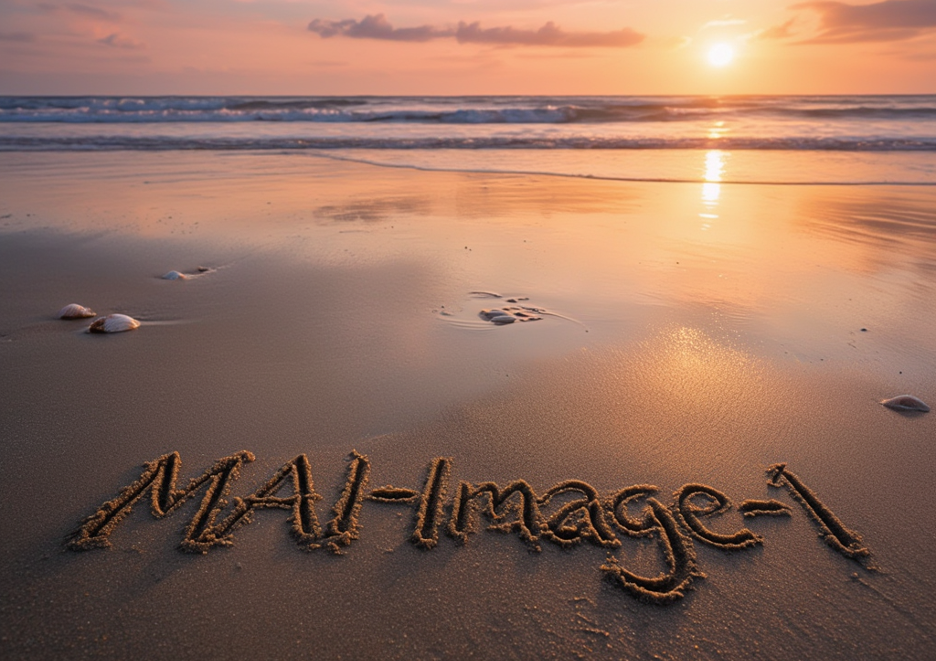
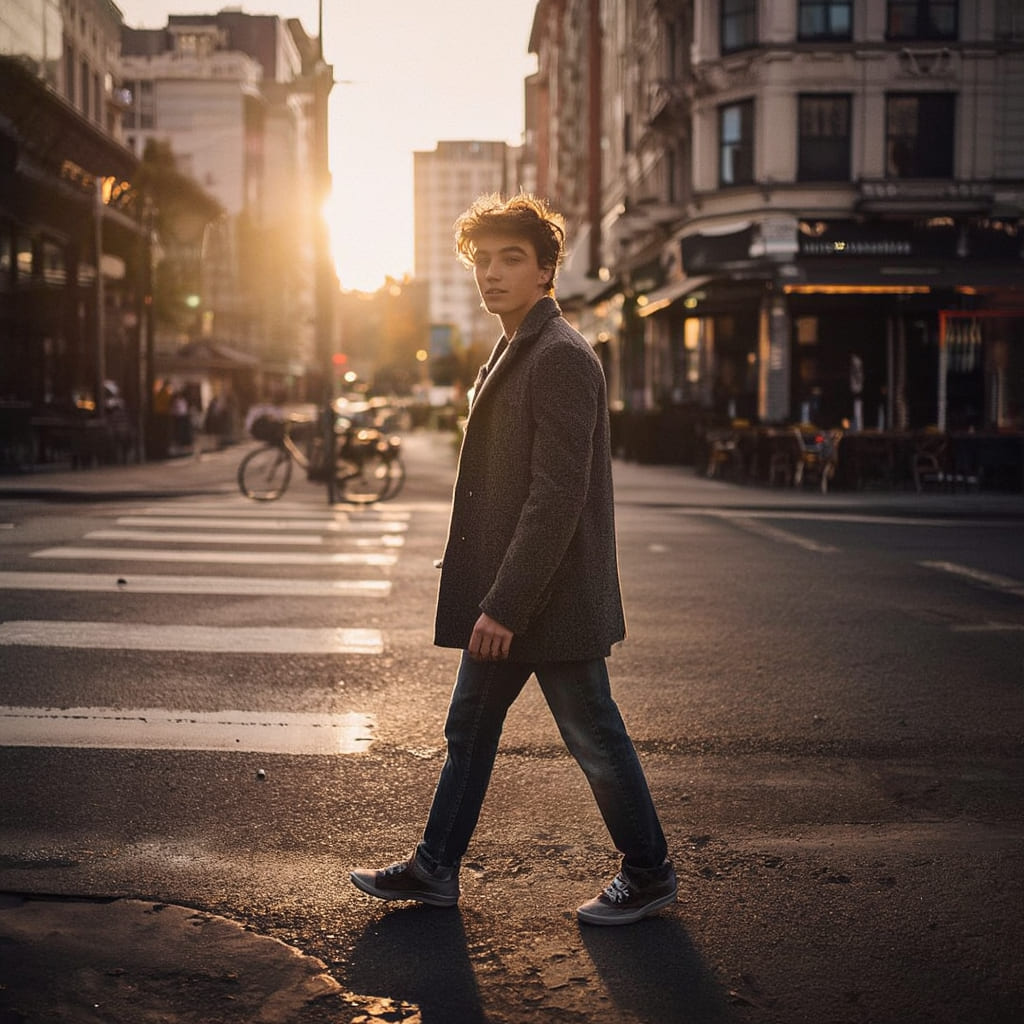
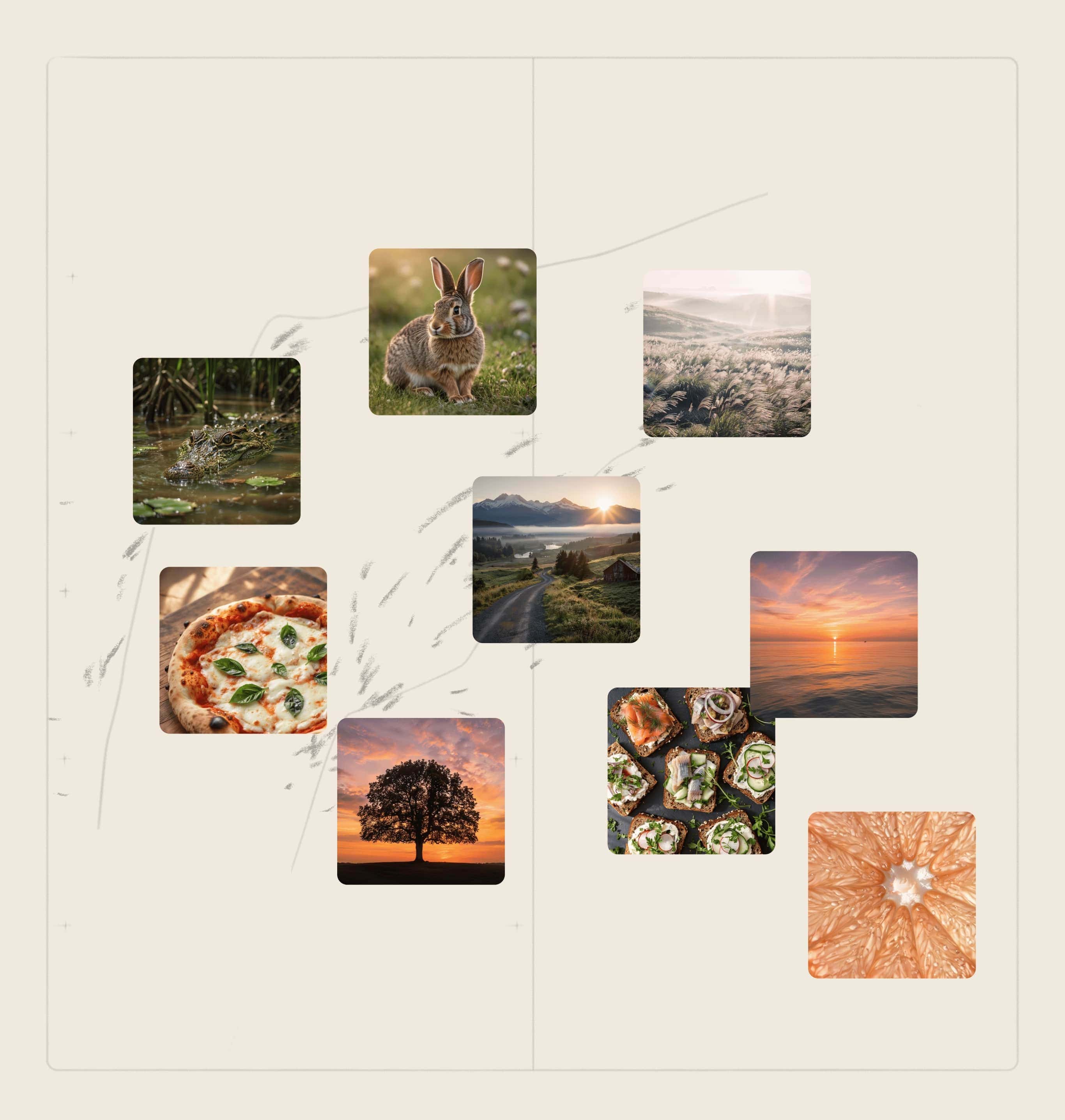
MAI-Image-1 excels primarily at generating photorealistic images, including lighting with reflections, landscapes, and complex textures. For example, it can create an image of a chaparral bird running across a sandy desert with shrubs, with a blue sky and distant mesas visible, or a young man wearing a coat and jeans walking down a city street at sunset, with buildings, outdoor café seating, and a bicycle in the background, where the warm sunlight creates a dramatic golden glow. Another example is the text “MAI-Image-1” written in damp sand on a beach at sunset, with gentle waves and a glowing orange sky. These details come directly from examples on the Microsoft AI website and highlight how the model handles complex elements such as light reflections or natural environments better than many larger and slower models.

Speed and Practical Applications
One of the main advantages of MAI-Image-1 is its speed—it processes requests and produces images faster than some larger systems, allowing users to quickly visualize ideas, refine them, and then transfer them to other tools for further processing. This model represents the next stage in Microsoft’s journey toward its own AI solutions. This approach enables greater flexibility and visual diversity, making it ideal for fields such as advertising, design, and digital content creation. The model accepts text and image inputs of up to 5,000 tokens and one photograph, and outputs an image in PNG or JPG format, as described in the Azure AI Foundry documentation.
Integration and Safety
Microsoft plans to integrate MAI-Image-1 into its products soon, including Copilot (a generative AI assistant) and Bing Image Creator (a tool for creating images in the Bing browser). For now, the model is available for testing on the LMArena platform, where users can provide feedback. The company emphasizes its commitment to safe and responsible results, which includes testing on this platform. The model joins other in-house products such as MAI-Voice-1 for voice synthesis and MAI-1-preview for complex text tasks. Mustafa Suleyman, head of Microsoft AI, has mentioned in interviews a long-term five-year plan involving significant quarterly investments in proprietary models.
An Important Shift for Microsoft
This model is part of Microsoft’s broader shift toward its own AI technologies, even though the company previously collaborated with OpenAI. MAI-Image-1 helps Microsoft gain greater control over updates and innovation, as demonstrated by its integration into platforms such as Azure AI Foundry and Microsoft Designer. Compared with other models, it focuses on practical applications where speed and quality play a key role, without unnecessary stylistic limitations.


