

Meta Superintelligence Labs: Chaotic Start Marked by Departures and Discontent
Meta, Mark Zuckerberg's company, is seeking to strengthen its position in artificial intelligence (AI) through its newly established Superintelligence Labs division. This initiative followed a summer of major changes, during which Meta invested enormous sums in recruiting top talent. However, according to reports, the team is grappling with a series of departures and tensions in its partnerships, suggesting that building such a team requires more than just money.
New Employee Departures and Threats to Return to OpenAI
One of the most notable cases is Shengjia Zhao, who joined Meta Superintelligence Labs (MSL) but threatened to leave just a few days later. According to available information, he was determined to return to OpenAI, where he had previously worked, and even began completing the necessary paperwork. Meta ultimately retained him by granting him the title of chief AI scientist. This incident highlights the rapid emergence of dissatisfaction among new recruits, who were enticed by large bonuses that in some cases reached hundreds of millions of dollars.
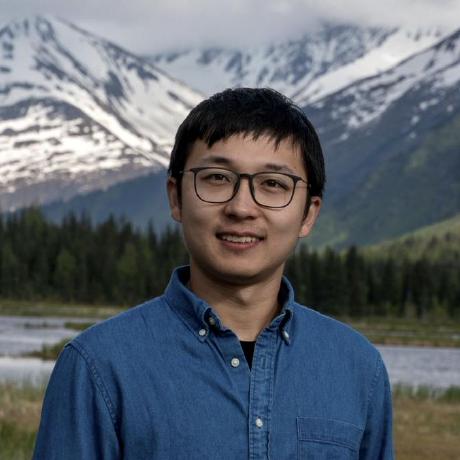
Another example is Avi Verma, who completed onboarding at Meta but failed to show up for his first full day of work. This departure adds to the overall picture in which several newly hired employees either left shortly after joining or never started at all. According to reports, at least two of them returned to OpenAI. Meta responded with a statement that some degree of turnover is normal for an organization of this size and that most of those leaving had been with the company for years, adding that it wished them well.
Problems with Data Partner Scale AI
Another complication is the relationship with data provider Scale AI. Meta invested a staggering $14.3 billion (approximately CZK 323 billion) in the company, which is led by Alexandr Wang. Despite this enormous investment, Meta researchers consider Scale AI's data to be of poor quality. According to information from TechCrunch, they decided to use the services of competitors such as Mercor and Surge, suggesting deeper dissatisfaction with the quality of the data provided.

This stance comes at a time when Meta is seeking a breakthrough in AI, but internal sources indicate that the newcomers, who became multimillionaires thanks to bonuses, are having difficulty integrating into the structure of a large technology company. For example, Ruben Mayer, former vice president of generative AI at Scale AI, left Meta after just two months, raising concerns about the integration and alignment of technologies between the partners.
Impact on Mark Zuckerberg's Vision
Overall, these events underscore that Meta's summer recruitment campaign, which included luring talent from competitors such as OpenAI, created a positive external impression but is leading to internal chaos. Reports from the Financial Times state that new recruits are leveraging their influence, leading to rapid departures and tension between long-standing employees and newcomers. Meta is dealing with the departure of at least eight employees, including veterans in AI infrastructure, which could slow progress on superintelligent systems.
Although Meta continues to invest, these problems show that assembling a team and realizing the vision require more than just financial resources. Further developments will be crucial in determining whether Meta can stabilize its position in the competitive race for dominance in AI.


