Meta's Ray-Ban Smart Glasses Head Toward 10 Million Sales
Meta has just announced a $3.5 billion investment in EssilorLuxottica, acquiring a 3% stake in the world's largest eyewear manufacturer. This investment, completed in July 2025, is a step toward Meta's ambition to dominate the emerging smart glasses revolution.
An Important Partnership
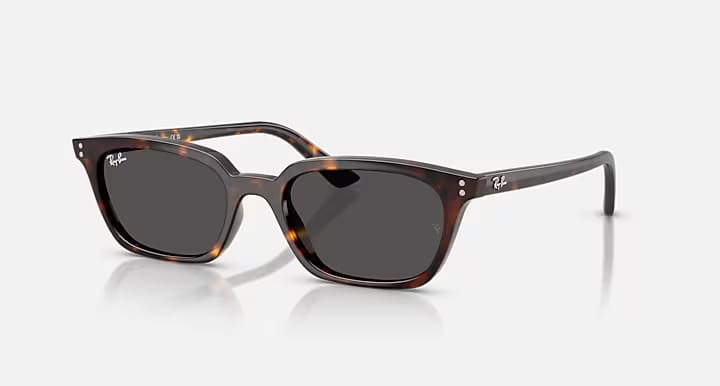
EssilorLuxottica, which manufactures the iconic Ray-Ban and Oakley brands as well as luxury eyewear for brands such as Prada and Versace (150 brands in total), now gives Meta direct influence over product development, manufacturing, and global distribution. The company operates a network of more than 80,000 retail stores worldwide, giving Meta an unrivaled advantage in reaching customers.
The investment was completed with an option to increase the stake to as much as 5 percent, indicating Meta's longer-term strategy. According to reports from The Information, Bloomberg, and The Verge, Meta plans to launch at least six smart glasses products over the next two and a half years.
The Success of Ray-Ban Meta Glasses
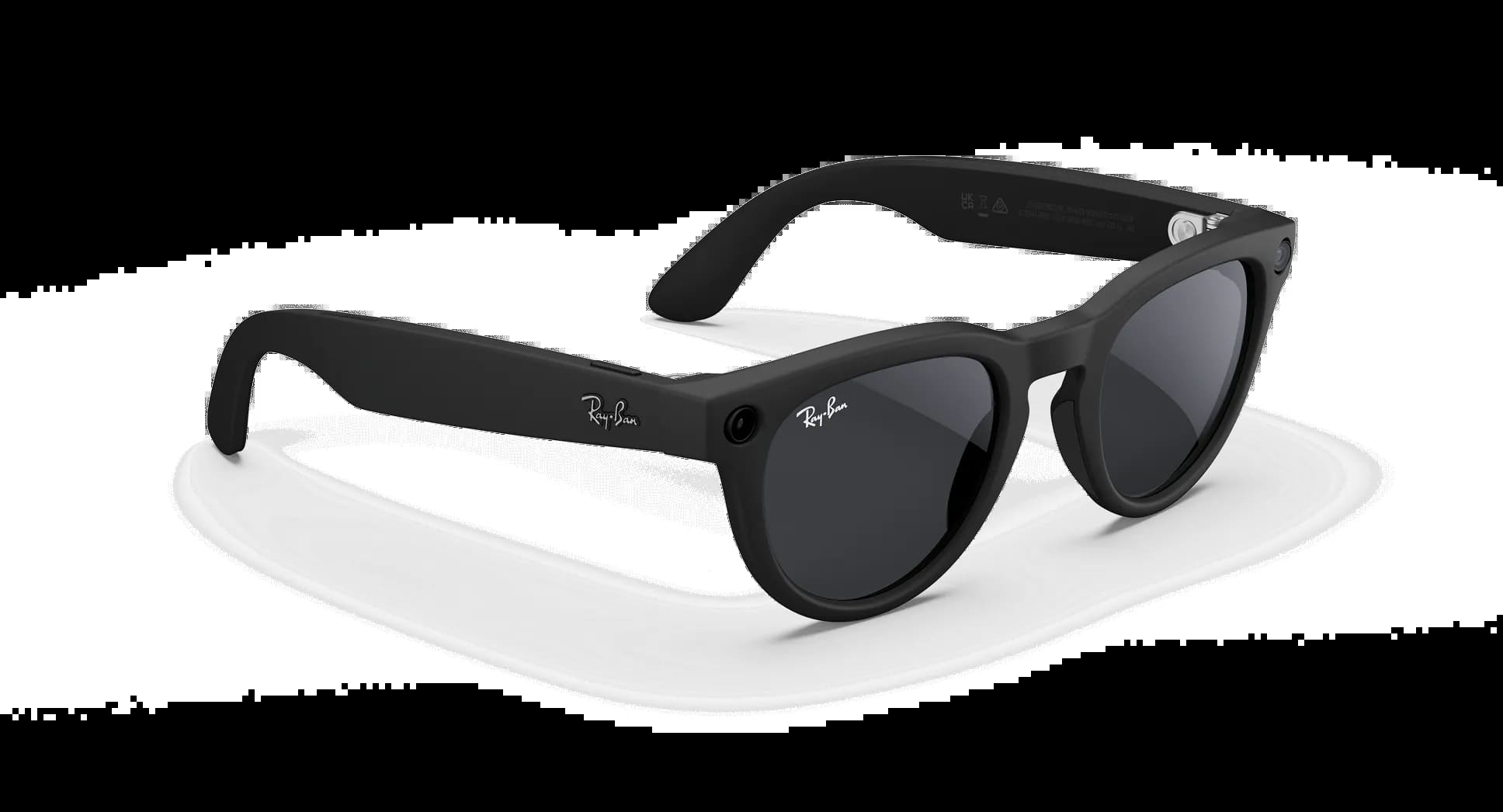
The Ray-Ban Meta smart glasses, launched in 2023, have achieved significant commercial success. More than 2 million units have been sold since their launch, with sales tripling over the past year and the number of monthly active users quadrupling. The smart glasses market is expanding rapidly—projections suggest growth from 3.3 million units in 2024 to 14 million units in 2026. EssilorLuxottica aims to increase smart glasses production to 10 million units annually by 2026, in line with the growing demand for wearable technology.
Product Roadmap for the Coming Years
Meta has prepared a detailed roadmap for launching new products. The Oakley Meta glasses (which were launched just three weeks ago) and Hypernova—monocular HUD (Head-Up Display) glasses—are expected to launch in 2025. The year 2026 will bring products code-named Aperol and Bellini, which will be next-generation mainstream smart glasses.
The culmination of this roadmap will come in 2027, when Hypernova 2 (binocular HUD glasses) and Artemis—true AR (augmented reality) glasses—are expected to launch. These products will feature advanced artificial intelligence capabilities and deeper integration with the Meta AI assistant, which is intended to gradually replace phone interfaces through the "Hey Meta" command.
A Head Start Over Apple and the Competition
The timing of this investment is no coincidence. Meta is seeking to secure its position ahead of the anticipated launch of Apple glasses in 2026. By owning both the software (Meta AI) and hardware (smart glasses) ecosystem, Meta is bypassing Apple and Google's dominance of the mobile market and gaining direct access to users' field of vision—the ultimate always-on interface.
The partnership with luxury brands also addresses the critical issue of social acceptance that led to the failure of Google Glass. While Google Glass was perceived as technologically flawed and socially unacceptable, Ray-Ban Meta glasses leverage an established brand and a design that people already know and accept.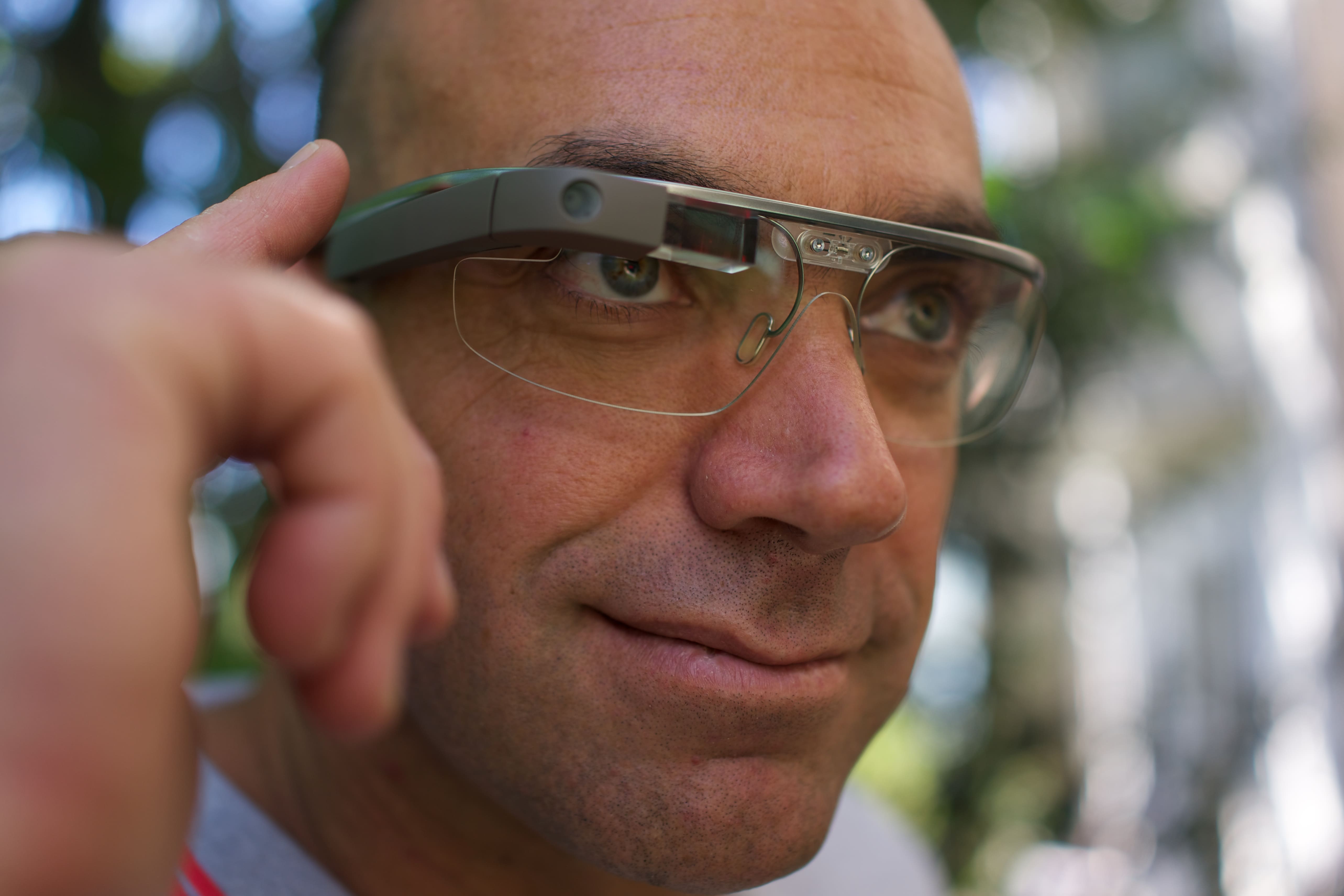
Meta's investment in EssilorLuxottica caused the company's shares to rise by more than 5 percent in July 2025, making it the biggest gainer on Europe's STOXX 600 index. This market reaction reflects investor confidence in the potential of smart glasses.
If Meta succeeds, it will gain unprecedented access to real-world data through millions of always-on cameras and microphones. This $3.5 billion bet could be Meta's smartest move in the race to own the future of computing.
The partnership between Meta and EssilorLuxottica, which began in 2019, has already produced the first generation of Ray-Ban Stories smart glasses in 2021 and a more advanced second generation in 2023 with a 12MP camera, improved audio, and deeper Meta AI integration. The companies have committed to continuing their partnership "into the next decade," underscoring the strategic importance of smart glasses to Meta's ambitions in wearable technology.