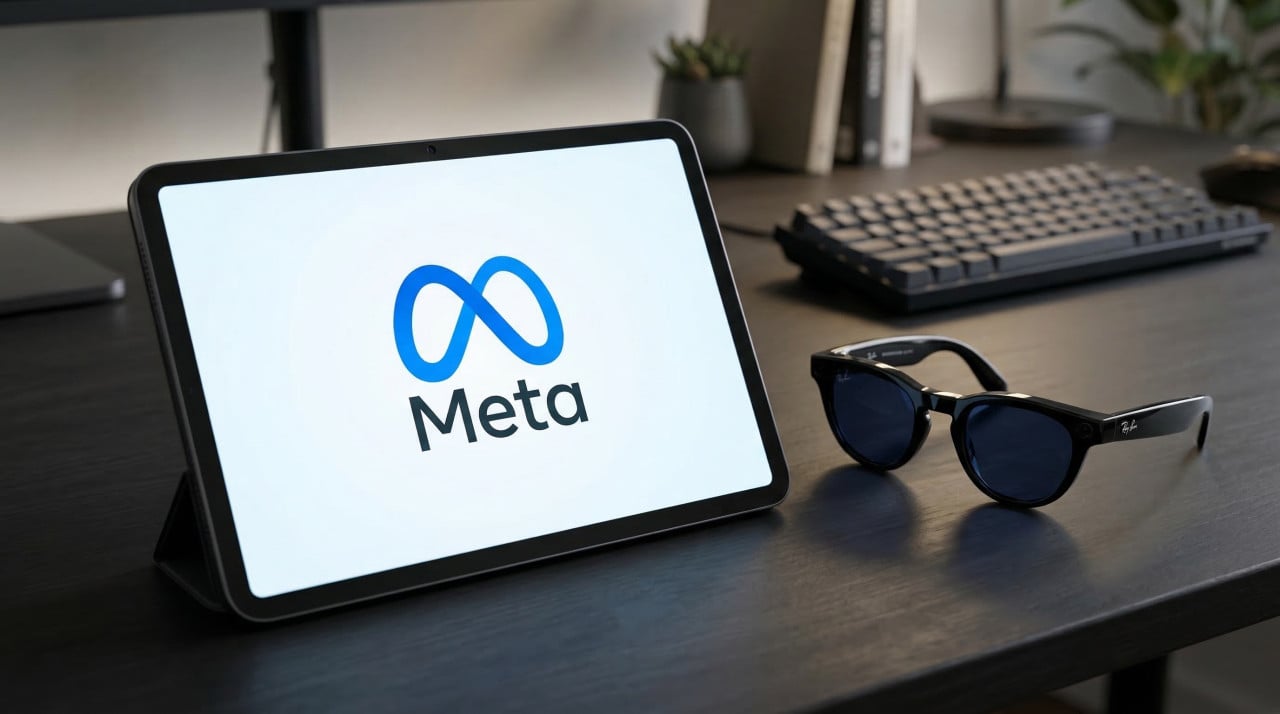
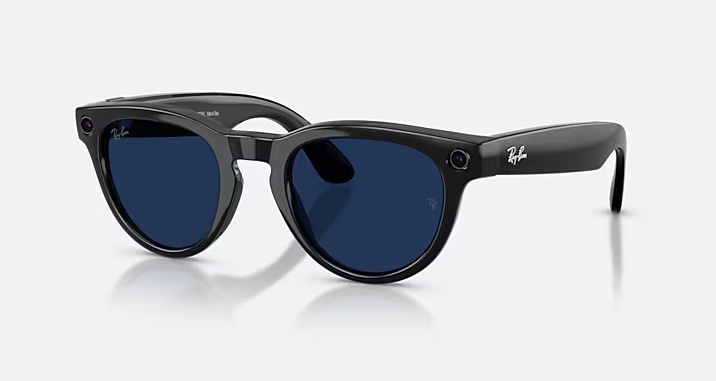
Ray-Ban Meta smart glasses look like an impressive piece of technology. Stylish, practical, with artificial intelligence right on your nose. But behind that glossy exterior lies something that could seriously concern you. Swedish journalists have revealed that footage captured by these glasses, including highly intimate recordings, is viewed by employees of a subcontractor in Kenya.
Meta's Secret
The whole story began with an investigation by the Swedish newspapers Svenska Dagbladet and Göteborgs-Posten. Their journalists spoke with employees of Sama, a Nairobi-based company that processes data for Meta. And what they learned was shocking.
"We see absolutely everything, from living rooms to naked bodies," said one employee. The footage showed people on the toilet, getting undressed, and having sex. In one case, a man left the glasses recording in the bedroom, where they then captured his wife getting undressed without her knowledge. Sama's employees work as data annotators. They manually label content, thereby teaching Meta's AI to recognize images. But none of the glasses' users apparently realized that their private footage would end up being viewed by strangers in Nairobi.
Meta Defends Itself: "It's All in the Terms of Use"
Meta responded coolly. A spokesperson confirmed that subcontractors may review content shared with Meta AI in order to improve the user experience. "This data is first filtered to protect users' privacy," the company stated.
But this is where the problem arises. The filtering is supposed to include blurring faces. However, Sama employees claim that this protection repeatedly failed and people's faces remained visible. In its terms of use, Meta mentions the possibility of human review of interactions with AI, but it does not explicitly mention video recordings. When the BBC asked Meta for a specific link to the relevant passage in the terms, the company referred it to a general document without further clarification.
UK Regulator Knocks on Meta's Door
The Swedish journalists' report did not go unanswered. The UK's Information Commissioner's Office (ICO) announced that it would send Meta a letter requesting an explanation.
"Devices that process personal data, including smart glasses, must give users control and ensure appropriate transparency," the ICO stated. The regulator described the findings as "concerning" and wants to know how Meta is complying with its obligations under UK data protection law. The ICO has the power to impose substantial fines and has not been afraid to use it in the past.
US Lawsuit: Is "Designed for Privacy" Deceptive Advertising?
The scandal has crossed the Atlantic. The American law firm Clarkson Law Firm filed a class-action lawsuit on behalf of two buyers from New Jersey and California. The lawsuit targets both Meta and the glasses' manufacturer, EssilorLuxottica. The core of the lawsuit is straightforward: Meta sold the glasses with the slogan "designed for privacy, controlled by you" while allowing strangers to view users' intimate footage. According to the plaintiffs, this violates privacy laws and constitutes deceptive advertising.
"Workers report that they see everything," the lawsuit states. "People changing clothes, using the toilet, engaging in sexual activities. No reasonable consumer would ever expect a stranger to be watching." The lawsuit also claims that Meta's purported face anonymization simply does not work.
Millions of Glasses Sold
The scandal comes at a time when Ray-Ban Meta glasses are at the height of their popularity. More than seven million pairs were sold in 2025. Meanwhile, Meta plans to add a facial recognition feature called "Name Tag," which would allow users to identify people around them. The timing could not be worse. When the public learns that footage from the glasses is being viewed by strangers in Kenya while Meta simultaneously wants to add facial recognition, it is a combination that makes not only customers nervous, but also regulators and civil rights organizations.
The glasses have a small light in the corner of the frame that illuminates when recording. Meta urges users to notify others when recording is in progress and to avoid recording in private spaces. But as the case involving the wife in the bedroom showed, even that is not enough.
Is a company like Meta even allowed to send footage from your home to Kenya for processing without clearly informing you? UK authorities believe that Meta has yet to provide a convincing answer. The Meta smart glasses case is more than just a technology scandal. It is a reminder that every device with a camera and an internet connection can be a window into your private life, and you do not always know who is looking through that window.
Sources: bbc.com and mediapost.com