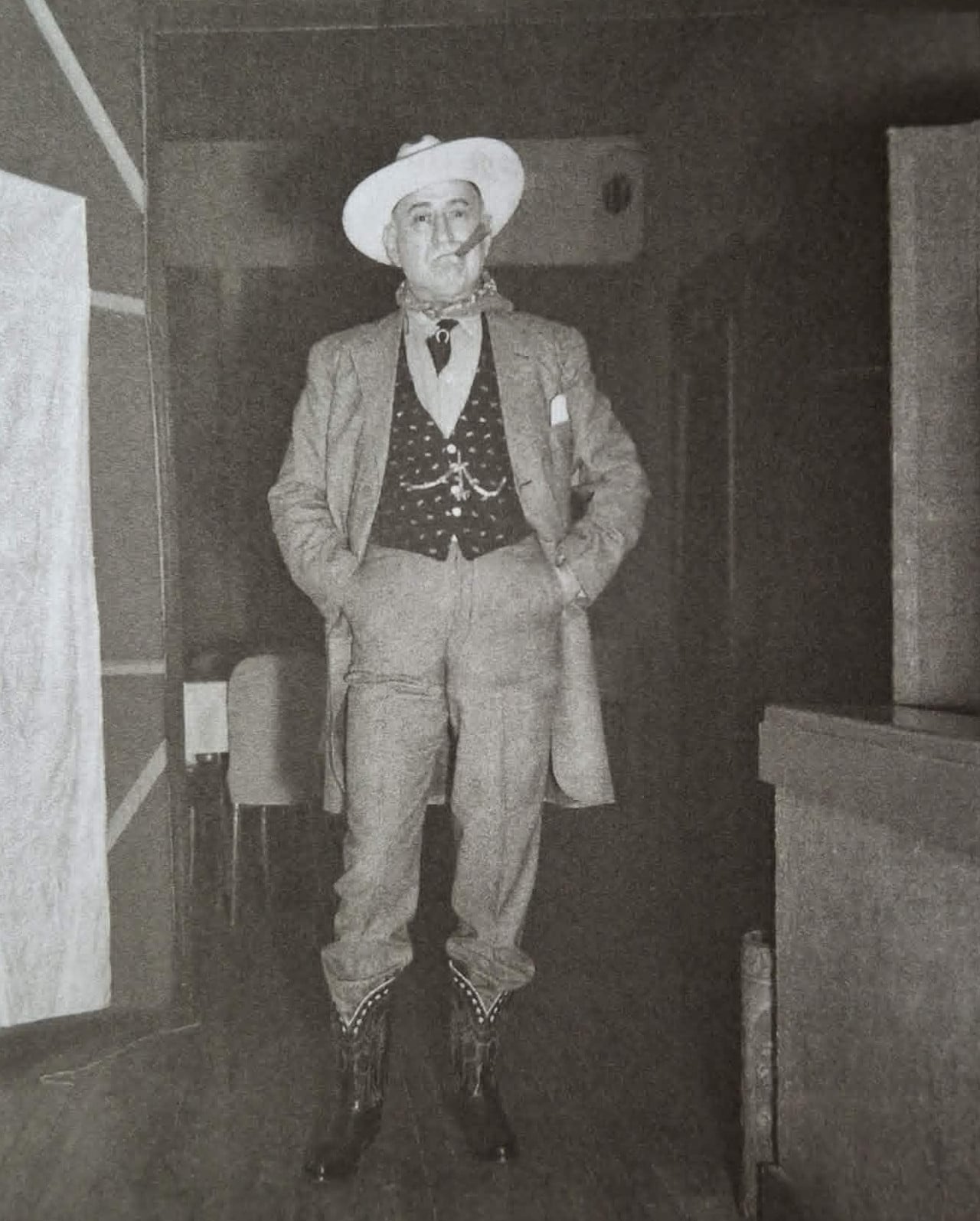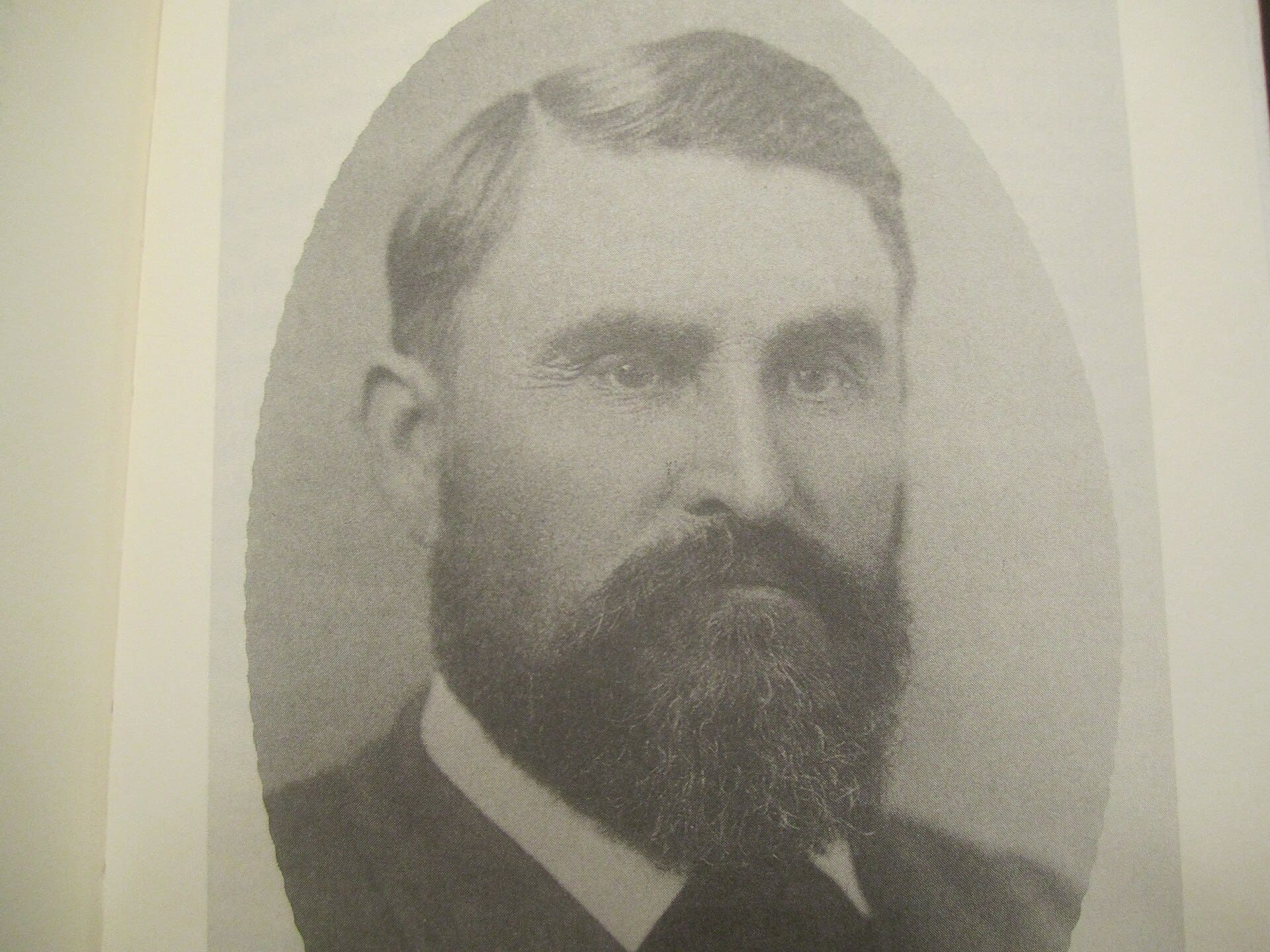
In the book and television miniseries Lonesome Dove (Lonesome Dove), Charles Goodnight was the inspiration for the character of Captain W. F. Call, portrayed by Tommy Lee Jones. In fact, the real Charles Goodnight was even more fascinating than the fictional Woodrow Call.
Goodnight, one of the most famous ranchers in Texas history, became a Texas Ranger at the age of 21. The Rangers recruited him because he was already locally renowned in North Texas as an expert tracker and Indian scout. It was 1857, and the Texas Rangers, together with the U.S. Army, formed the front line of defense against Native American raids into Central Texas.
In his biography of Goodnight, acclaimed Texas historian J. Evetts Haley recounts many stories that Goodnight himself told him about his days with the Texas Rangers. One concerns the year 1860, when the Rangers were assigned an inexperienced commander from Virginia. This commander had never fought Native Americans. He had never been on the Great Plains. Nevertheless, he was full of confidence and wanted to set out and confront some Comanches. So he ordered the Rangers westward, and after several days he spotted his first Indians on a distant hill.
Excitedly, he called Goodnight over and asked him what kind of Indians they were. Goodnight looked in the direction he was pointing and replied, “Antelopes.” The inexperienced commander dismissed Goodnight’s remark and ordered the Rangers to charge the group. “Which we did,” Haley quotes Goodnight as saying, “the old-timers roaring with laughter. And what’s more, we routed that bunch of antelopes without losing a single man.”
Another story Haley tells about Goodnight centers on his fascination with the shields Native Americans carried to stop arrows and bullets. One day, he fired at an Indian who was retreating into the brush. His target escaped but dropped his shield. Goodnight carried it back to camp, opened the buffalo-hide covering and wooden frame, and was shocked to discover an entire book inside. It was a History of the Roman Empire.
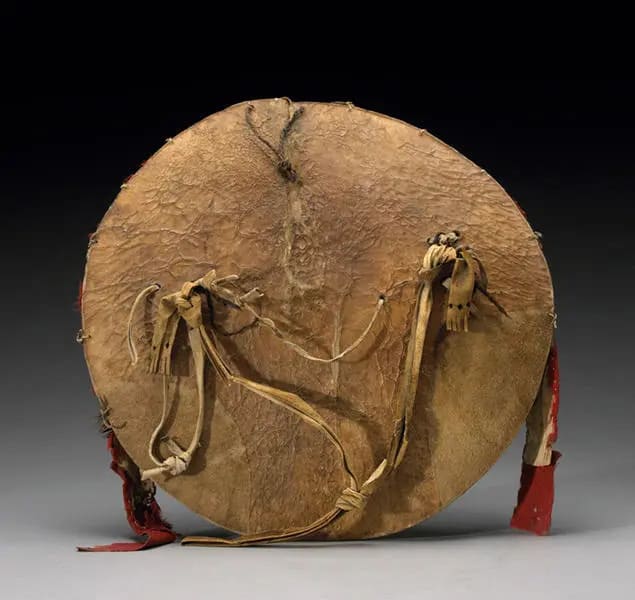
That solved the mystery of why raiding Comanches so often took Bibles and other large books from white people during their raids. They wanted the paper to make their shields bulletproof. (They should have looked for Moby-Dick. I’ve always found that novel impenetrable. I don’t know what it would do against bullets, but it makes a great doorstop.)
Charles Goodnight was not only a Texas Ranger but also an entrepreneur. Haley claimed that Goodnight and his partner Oliver Loving were the first to drive cattle from Texas to Colorado. (Loving, of course, was loosely portrayed as Gus McCrae in Lonesome Dove.)
Everyone told Goodnight it could not be done. They told him he would never be able to drive those cattle through the desert conditions of West Texas. They told him that the Apaches or Comanches would brutally kill him, tie him naked to an anthill, and leave him to wait for the vultures to pick his bones. They told him that even if he succeeded, the cattle would be nothing but skeletons and he would have nothing to sell.
Like all pioneers, he simply ignored the skeptics. He proved them wrong and made a fortune doing it. It was 1866; he was only 30 years old at the time. As other Texas cattlemen followed him, the route became famous as the Goodnight-Loving Trail.
Goodnight eventually owned one of the largest ranches in Texas, spanning more than a million acres. But when he was over 90 years old, according to his biographer Haley, he said this about his eventful life:
“All things considered, my years on the trail were the happiest I ever spent. Of course, there were many hardships and dangers that required all the endurance and courage a man possessed. But when everything went well, no other life was so pleasant. Most of the time, we were solitary adventurers in a vast country, fresh and new as a spring morning, and we were free and filled with the enthusiasm of daredevils.”
RECOMMENDED READING: Charles Goodnight: Cowman and Plainsman, by J. Evetts Haley.