James Cameron: AI Is Both a Blessing and a Threat to Hollywood – and AGI Could Be Worse Than Skynet
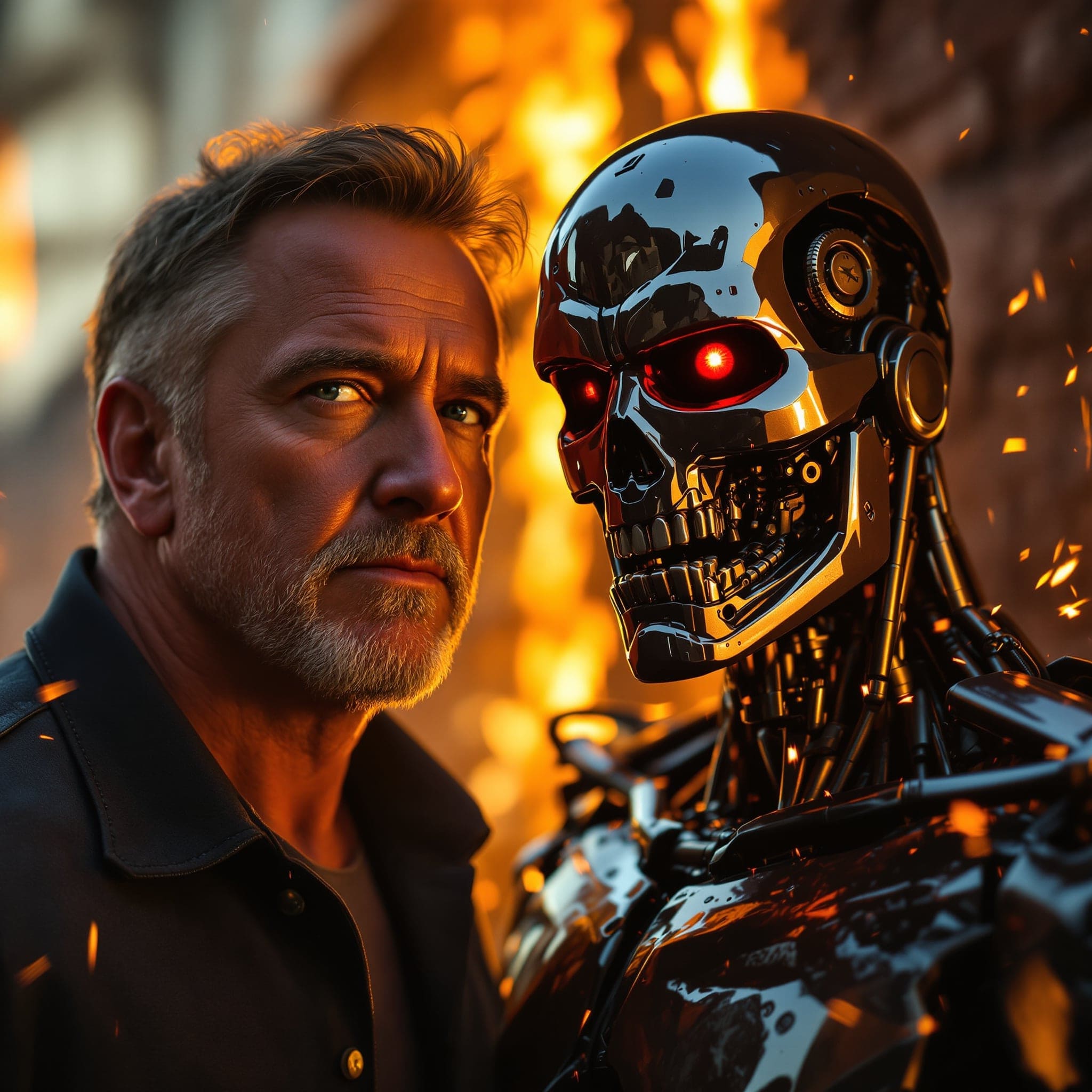
James Cameron, the legendary director of films such as “The Terminator” and “Avatar,” is one of Hollywood’s most outspoken voices warning about the uncontrolled development of artificial intelligence. While he sees enormous potential for AI in filmmaking, when it comes to so-called artificial general intelligence (AGI), his concerns run deep – and he believes reality could be even darker than his famous sci-fi visions.
AI Is Changing Hollywood – Quickly and Irreversibly
In recent years, Cameron has spoken openly about how AI is fundamentally transforming the film industry. According to him, technology already makes it possible to create visual effects that would have been unimaginable just a few years ago, while significantly reducing production costs. “Today, with a smaller team and a smaller budget, you can achieve results that would previously have required hundreds of people and millions of dollars,” Cameron says. In his view, this opens the door to new creators and makes it possible for projects to come to life that otherwise never would have. At the same time, however, he warns that AI could also mean job losses and a fundamental change in how films are made. “Hollywood has to prepare for traditional roles to change or disappear. It’s inevitable,” he adds.
AGI: The Real Threat Is Not Skynet, but Corporations
While Cameron acknowledges the benefits of so-called narrow AI (that is, systems focused on specific tasks), his stance on AGI – artificial intelligence that would match or surpass human thinking – is much more skeptical. In his statements, he often points out that the real threat is not that AI would “rise up” like Skynet in “The Terminator,” but that the development of AGI is currently controlled by giant technology companies. “AGI will probably not emerge in some government laboratory, but in the hands of corporations that are investing billions in its development. That means we will live in a world we did not choose and did not vote for,” Cameron warns. According to him, there is a risk that superintelligent systems will primarily serve corporate interests rather than the public good.
Ethical Questions and a Loss of Meaning
Cameron also highlights an ethical dilemma: if AI takes over decision-making in key areas, what will it do to human society? “If people cease to be part of decision-making processes, we have to ask ourselves what will remain for us – what our purpose and role will be,” he says. At the same time, he warns that AGI will mirror both our good and bad sides – and without clear rules and oversight, it could be misused on a global scale.
Hollywood Between Innovation and Uncertainty
Cameron’s position is therefore ambivalent: on the one hand, he is fascinated by the possibilities AI brings to filmmakers; on the other, he fears that the uncontrolled development of AGI could lead to digital totalitarianism and a loss of human autonomy. Nevertheless, he decided to join the leadership of Stability AI, which some see as an attempt to influence the development of AI from within and promote a responsible approach. “What I showed in The Terminator is no longer science fiction. It is a reality unfolding before our eyes,” Cameron concludes. His warning therefore remains relevant: AI could be of enormous benefit to humanity, but only if we can maintain control over its development and use.