

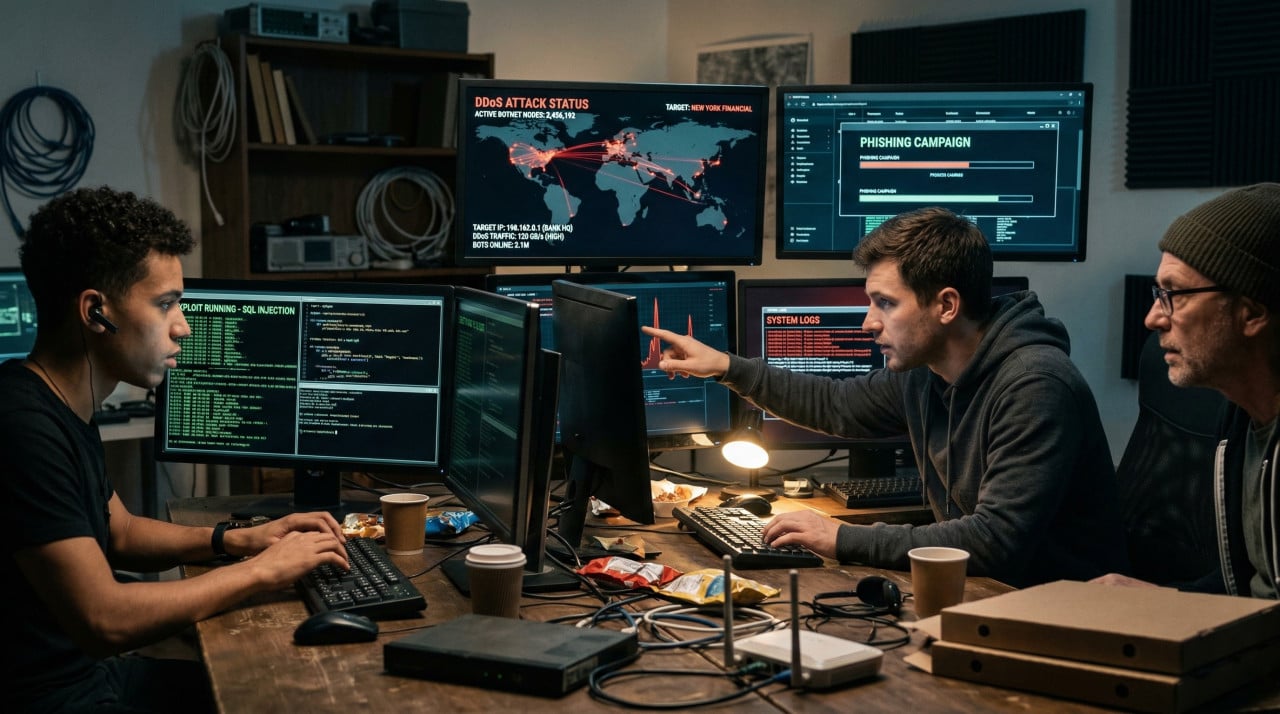
Microsoft's security team has published a disturbing report. Attackers around the world no longer view artificial intelligence as a technological novelty and have begun using it as an everyday work tool. Just as companies deploy AI to increase productivity, cybercriminals are incorporating it into their operations to attack faster, on a larger scale, and with a lower chance of detection. And unfortunately, it is working for them.
North Koreans as a textbook example
Microsoft Threat Intelligence is tracking groups designated as Jasper Sleet and Coral Sleet (formerly Storm-1877). These are North Korean actors specializing in infiltrating companies through fake IT workers. These individuals apply for real jobs, pass interviews, start working, and then abuse the access entrusted to them by the company. This entire scheme depends on the credibility of their fake identities. And that is precisely where AI comes in.
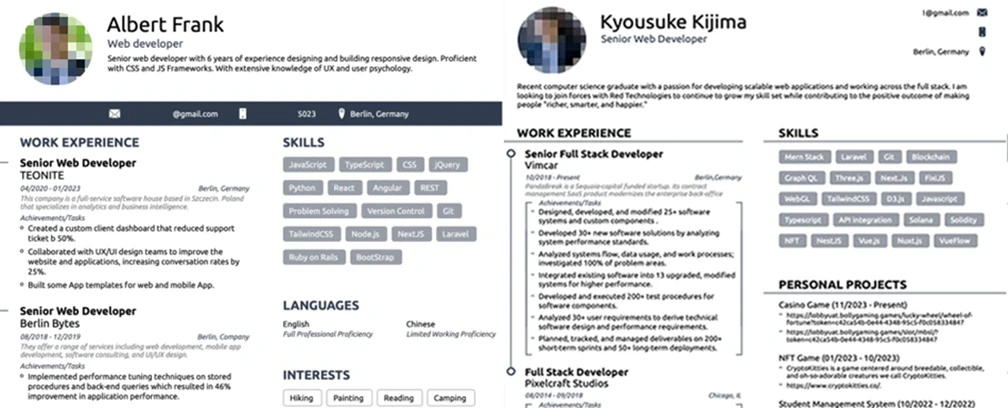
Jasper Sleet uses generative AI to create culturally plausible names, email formats, and complete personal profiles tailored to specific job positions. Attackers submit prompts to the model such as “create a list of 100 Greek names” or “suggest email address formats for the name Jane Doe.” They then combine the results into convincing digital identities.
The Faceswap application helps them insert the faces of North Korean workers into stolen identity documents. The same AI-generated photograph then appears, with minor modifications, on the résumés of different “candidates.” During video interviews, they use voice-changing software to disguise their accents and pose as Western applicants.
AI in every stage of an attack
Attackers do not use AI for just one step. They deploy it throughout the entire course of an attack, from initial reconnaissance to the final exploitation of data.
Reconnaissance and preparation: Large language models are used to analyze publicly disclosed vulnerabilities. For example, Microsoft observed the North Korean group Emerald Sleet using AI to investigate the CVE-2022-30190 vulnerability in the Microsoft Support Diagnostic Tool. AI reduces hours of manual research to minutes.
Tailored phishing: Attackers generate spear-phishing emails in any language with native-level fluency. AI eliminates grammatical errors, adapts the tone of communication to a specific company, and dynamically adjusts message content based on information about the target. The result is messages that look like internal corporate communications.
Malware development: Coral Sleet uses AI tools to generate, debug, and rewrite malicious code. Microsoft has even identified telltale signs of AI-assisted code directly in captured malware samples. Specifically, these included emoji as visual markers (green check marks ✅ for successful requests, red crosses ❌ for errors) and conversational comments in the code describing the developer's logic. Such code looks as though it was written by a person over coffee, not a professional hacker.
Infrastructure: Attackers use AI to design, configure, and debug covert command-and-control (C2) infrastructure. In this way, Coral Sleet rapidly creates convincing websites for fake companies, tests malicious code, and restores campaigns before defenders have time to block them.
Once attackers gain access to a system, AI helps them navigate the unfamiliar environment. It acts as a responsive research assistant that analyzes configuration files, directory structures, and logs to help attackers quickly understand where they are and what is available to them.
Lateral movement is accelerated through the analysis of trust relationships between systems. AI helps identify the most valuable targets and the most viable paths to them. During privilege escalation, it interprets error messages from failed attempts and suggests alternative approaches.
After the data has been obtained, AI comes into play again. Data theft is preceded by an analysis of which data is most valuable and how to transfer it with the lowest possible risk of detection. Finally, during extortion, AI helps formulate ransom messages tailored to the specific victim and even manages communication with the victim through automated chatbots.
New threats on the horizon
Microsoft warns of two emerging trends that are not yet widespread but have significant potential.
Agentic AI works differently from conventional language models. Instead of providing one-off responses, it plans steps, calls tools, evaluates results, and adapts its behavior without continuous human supervision. For attackers, this would mean semi-automated campaigns capable of independently testing infrastructure, maintaining persistence, or monitoring intelligence sources for new opportunities. Microsoft has not yet observed full-scale deployment, but initial experimental cases are already underway.
The second trend is even more insidious. It involves poisoning the memory of AI assistants. Microsoft has discovered that some organizations deliberately embed instructions in web content that influence how AI assistants remember and prioritize certain sources or products. So far, this has mainly involved marketing abuse, but the same technique could be used to manipulate AI-driven decision-making processes or conduct disinformation operations.
Practical defense recommendations
Microsoft recommends treating threats from fake employees as insider threats. Checking credentials during onboarding is not enough; organizations must continuously monitor unusual access patterns and suspiciously low levels of activity spread over an extended period. To detect deepfake content during interviews and in documents, Microsoft recommends tools such as FaceForensics++. Temporal inconsistencies in video, occlusion issues (when an object covers the face), or mismatches between lip movements and speech deserve particular attention.
Multi-factor authentication must be mandatory without exception. AI-generated phishing campaigns are becoming increasingly convincing, so a password alone is not enough. Microsoft has also launched the Security Dashboard for AI in public preview, providing an overview of the security posture of AI assets across an organization's environment.
Attackers have embraced AI. Defenders must do the same, or they will always be one step behind.


