116 East Pearl Street
Granbury, Texas
granburytheatrecompany.org
When my grandmother was a little girl, she often attended performances at the opera house. It was quite a long journey to Granbury from Dallas, where she grew up. Granbury lies in the Brazos River Valley about forty-five minutes from Fort Worth and was founded in 1854 by a group of people arriving from Tennessee, specifically two men, Tom Lambert and Amon Bond, and a woman named Elizabeth Crockett. Texans may find that surname familiar because she settled in Texas after the Republic of Texas granted her land in connection with the heirs of the Texas Revolution. The town of Granbury was named after General Hiram Granbury, who led Confederate troops in the Civil War.
Because the town was located near the Brazos River, a dam was built on the river at a place called De Cordova Bend, which at the time lay just outside Granbury proper. This also created Lake Granbury for local residents. At one point, the lake even boasted a paddle steamer for lake cruises. The town square was then built and remains very important to this day. That is where the Granbury Opera House is located.
Texas independence was still fresh when the Granbury Opera House first made its mark on Texas history. There are reports that both Texans and Mexicans enjoyed theater in their military camps, but the first actual record of theater in Texas dates from 1837, when a man named G. L. Lyons conceived the idea of bringing a dramatic company to the Houston area. He had previously worked in New Orleans. Although the idea did not take hold, another company was announced in 1838. Traveling theater was very popular and undoubtedly reached the Fort Worth and Granbury area at the time. In Dallas itself, an opera house opened only six months after the railroad arrived, and amateur theater was well received in the area. Famous names such as Edwin Booth, Helena Modjeska, Sarah Bernhardt, and Lily Langtry all regularly toured Texas with theatrical productions.
By 1885, almost every small town in West Texas had a theater—a larger-than-life place where people could spend an evening and forget their troubles. Records show that in 1877 there was a local dramatic club in Fort Worth that regularly performed in Weatherford, Palo Pinto, Brownwood, Stephenville, Comanche, and Belknap.
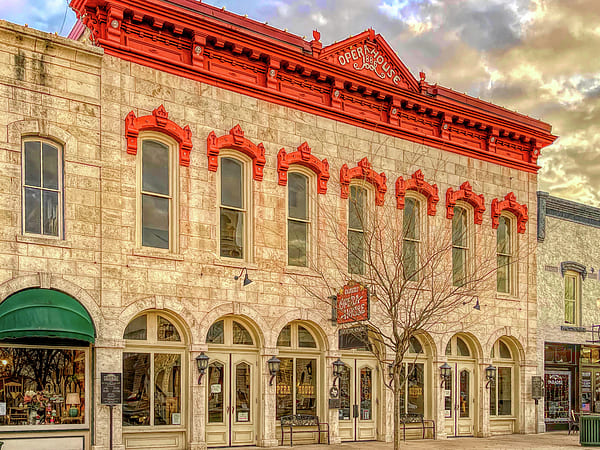
When movies eventually reached smaller towns and in some cases took over the theaters, opera houses declined in popularity and many were demolished. The Granbury Opera House was an exception—an impressive and beautiful building that still stands on the southeast corner of Granbury’s town square. It was built in 1886 by a man named William Kerr and was known for a time as Kerr's Hall.
At the turn of the century, the opera house was the center of activity in Granbury, hosting many traveling shows, plays, bands, magicians, minstrel shows, and every possible kind of entertainment for local farmers, ranchers, and others who conducted business in town.
The opera house building did not actually open until 1891. Kerr's Hall was on the second floor of the building, while the ground floor housed a saloon, a saddle shop, and a small stage. Some shocking performances were staged there at the time, and not all the locals approved; kissing and love stories were too much for some.
One of the most intriguing stories associated with the Granbury Opera House concerns a man named John St. Helen, a minor actor and bartender at the theater. His cousin was named Fannie Booth. This information is even more interesting because, on his deathbed, St. Helen confessed that he was John Wilkes Booth, the man who assassinated President Lincoln. He said that the murder weapon would be found wrapped in newspaper and hidden behind a board in a certain house. When he ultimately did not die, he immediately left town. According to the stories, a pistol wrapped in newspapers reporting Lincoln’s assassination was indeed found in that house in 1938. Doubts remain as to whether this man truly was John Wilkes Booth. Historical records tell us that Booth was reportedly killed during a manhunt in a tobacco barn in Virginia in April 1865.
Another interesting aspect of the Granbury Opera House’s success and failure is that the saloons of the time came into conflict with temperance crusader Carrie A. Nation when she visited the town in 1911. Due to her forceful advocacy of temperance, several saloons in Granbury were closed, including the opera house, because it had a reputation for hosting performances that could once have been somewhat indecent.
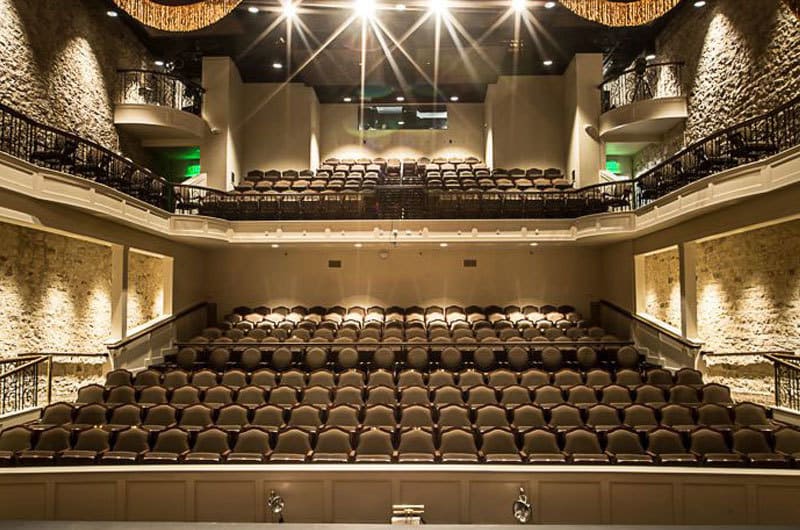
After 1911, when the building ceased operating as a theater, it was used for many purposes, including a grocery store, the South Side Saloon (probably the same one that had been there during the opera house era), and a pharmacy. Later, it housed a bowling alley. In the 1950s, the building was taken over by an abstract company, and some remember the theater being used for the annual fall festival. Finally, in 1972, the Opera House Association was formed after the building was transferred to Joe L. Nutt, and from there it was transferred to the association in August 1974. A fairly costly renovation was completed with private funds by Jo Ann Miller, who took over the theater’s operation and remained there for twenty-one years. In 1975, the first performance in more than sixty years of darkness took place there. The first production was Gold in the Hills, directed by Miller.
Another important Granbury story claims that Jesse James changed his name, lived in Granbury to an advanced age, and was buried in the town cemetery. Other stories about outlaws also persist, such as the claim that William Bonney, also known as Billy the Kid, moved to Granbury and was not shot in New Mexico by Sheriff Pat Garrett.
The Granbury Opera House, along with the square where it is located, is listed on the National Register of Historic Places and is also a member of the League of Historic American Theatres. Today, the opera house stands among the shops and restaurants on the town’s old square, which has been restored to its original beauty and beyond.
As for who haunts the Granbury Opera House, some truly believe it is John Wilkes Booth because photographs of the man and the apparition they have seen are remarkably similar. However, it could be anyone, since the building has such a long history.
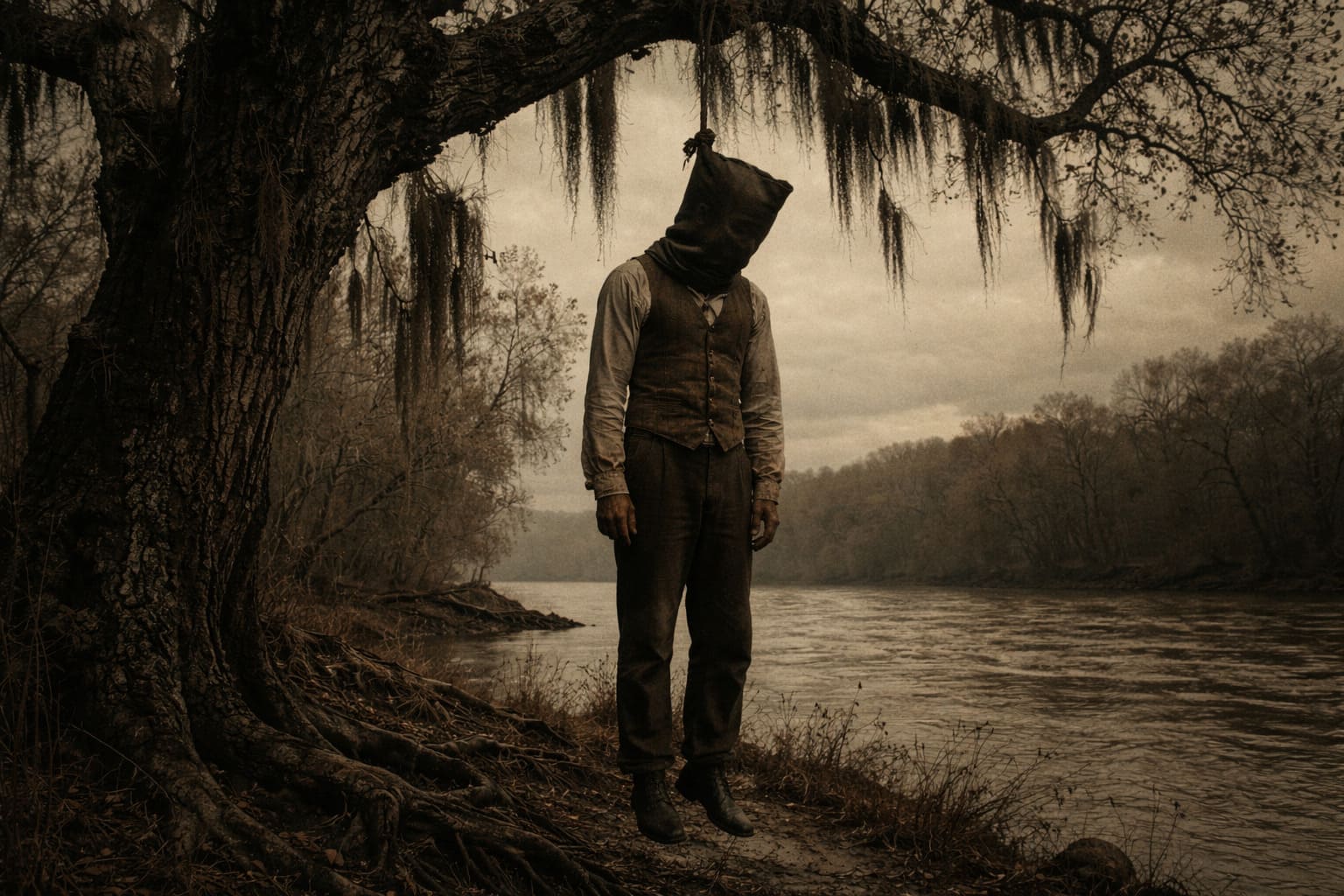
Some stories from people who have worked at the opera house involve footsteps, especially on the balcony, and some have even seen the ghost said to haunt the place. He has been described as a man wearing a white shirt, dark trousers, and high boots. He does not appear to be malicious, but rather enjoys pranks such as moving props, playing with the lights and doors, and causing various lighting incidents. Other areas of paranormal activity in the building include the stage and the costume room.
Whether you are looking for a ghost or simply a good performance, a trip to the Granbury Opera House is worthwhile. The age of this fantastic building alone is sure to evoke the atmosphere of a bygone era, with the faint rustle of the past making its way into the present.