

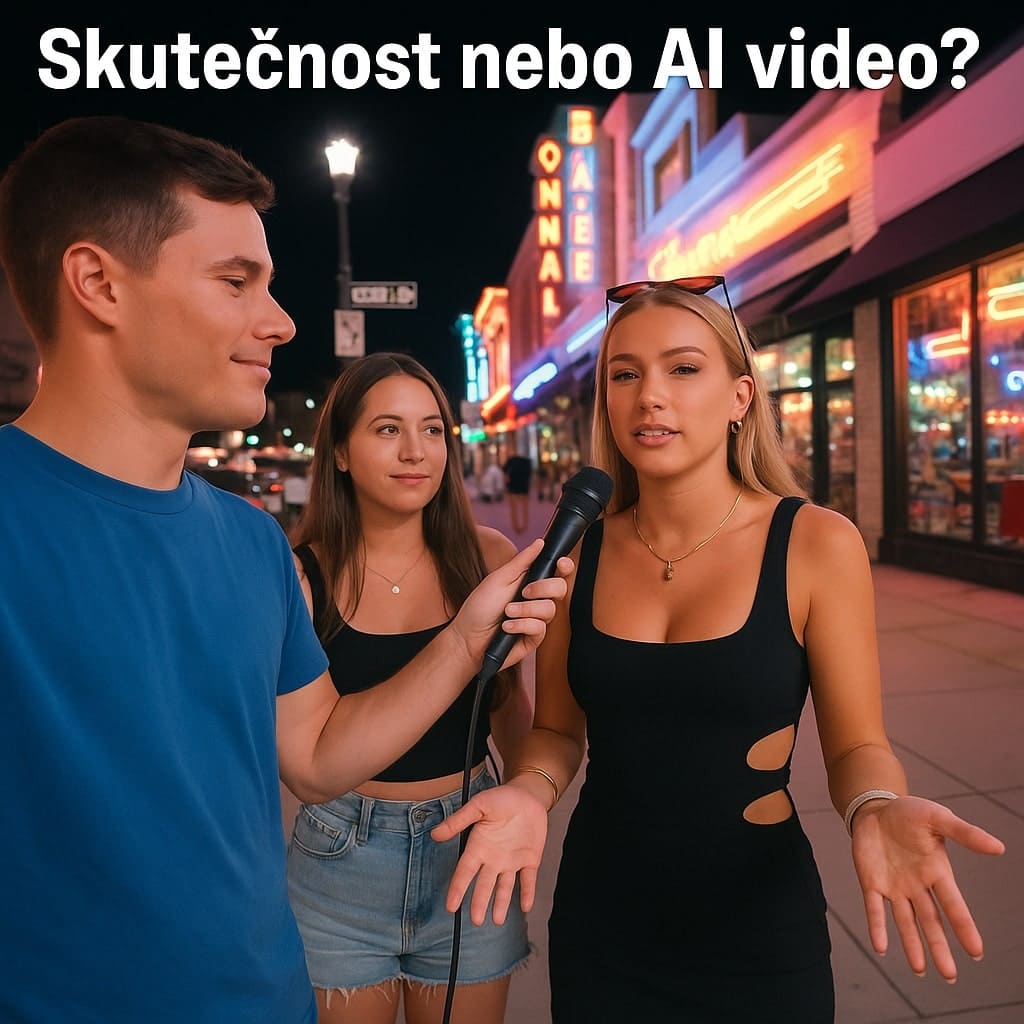
Google Veo 3: AI in Realistic Videos Raises Deepfake Concerns
Google DeepMind has unveiled its latest generative video creation model, called Veo 3, which represents a significant leap forward in the realism and capabilities of artificial intelligence for creating video content. This advanced model can generate short videos up to 8 seconds long that are often indistinguishable from real footage. Veo 3 particularly excels at rendering lifelike human characters, accurately synchronizing lip movements with speech, producing natural motion, and creating realistic environments, representing a qualitative leap over previous generations of AI video models.
New Features
One of the most significant innovations introduced by Veo 3 is integrated audio. Unlike previous models, which were limited to silent clips or basic musical backgrounds, Veo 3 generates synchronized sound directly linked to the visual content. This advancement includes not only dialogue but also ambient sounds, sound effects, and music, representing a major improvement over older generations of AI models. This capability makes Veo 3 a comprehensive tool for creating audiovisual content. The model demonstrates exceptional accuracy in following user instructions. Users can describe complex scenes in everyday language, and Veo 3 can precisely follow detailed instructions down to camera angles or cinematic effects. The system also maintains continuity across individual shots, which is crucial for creating coherent video content. The engine respects real-world physical laws, such as gravity, and produces characters with correct anatomy, including details such as the proper number of fingers on each hand.
Indistinguishable from Reality
The realistic quality of Veo 3's output has reached a level at which many viewers cannot distinguish between AI-generated content and authentic human-made footage. Viral examples include fabricated interviews or events that never happened but appear completely credible at first glance. This blurring of the line between reality and artificially created content is raising urgent concerns about the potential for creating deepfakes and misinformation. Google is aware of the risks associated with the potential misuse of the technology and has implemented several safeguards. Every frame generated using Veo 3 contains an invisible digital watermark known as "SynthID," indicating that it is AI-generated content. This system is intended to help platforms and users identify synthetic media even after editing or compression. The company has also introduced strict guidelines against generating harmful or deceptive content and conducts extensive testing to prevent misuse, such as impersonating others or spreading disinformation campaigns.
Nevertheless, these measures do not address all concerns. As TubeFilter notes: "The debut of Google DeepMind's Veo 3 showed the world that generative AI programs can now create videos that are difficult to distinguish from human-made content... Brace yourself: The internet is about to become even more confusing than it already is." This warning highlights the growing challenge of distinguishing authentic content from artificially created material online. The impact on the media industry is a double-edged sword. On the one hand, Veo 3 is generating excitement among filmmakers for rapid prototyping and creative experimentation; on the other, it is raising concerns across media industries due to potential job displacement and ethical dilemmas surrounding authenticity in digital media production. The technology is intensifying debates about the trustworthiness of online video content and the broader societal impact on the relationship between artificiality and authenticity in digital storytelling.
Google Veo 3 thus sets a new standard for realistic generative video with integrated sound, making it increasingly difficult for ordinary viewers to distinguish between real footage and deepfakes. While technical safeguards such as SynthID aim to mitigate the risks of misuse, the technology is intensifying debates about the trustworthiness of online media and the future of authenticity in the digital world.


