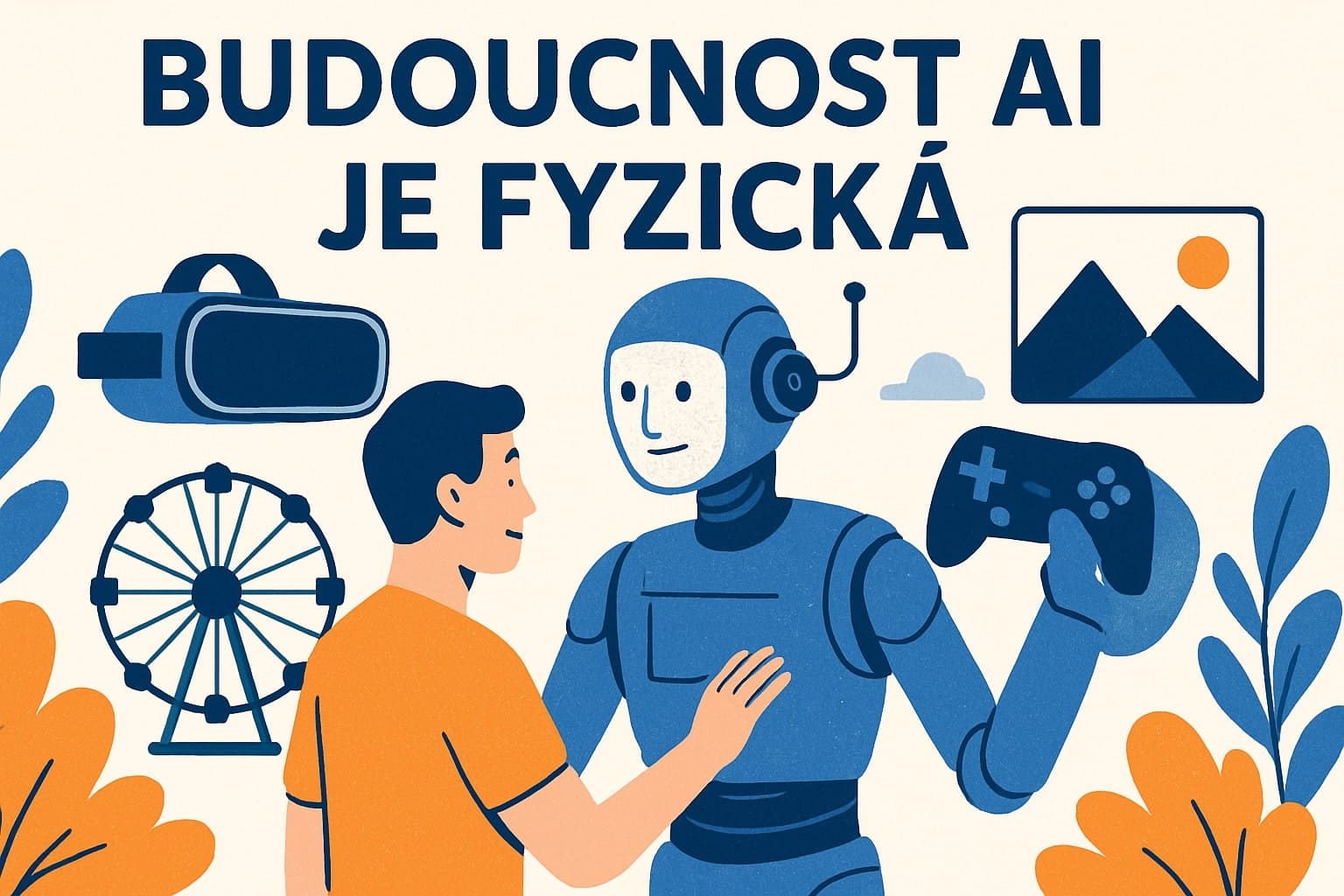
The Future of AI Is Physical: Why Brands Must Move from Screens to Tangible Experiences
For many years, digital experiences were enough to capture audiences' attention. However, with the rapid advancement of technology and screens being flooded with fake content, people crave something real—experiences they can touch, feel, and remember. Brands that rely exclusively on digital channels provide hollow, transactional, and forgettable experiences. The industry has long prioritized screens over the senses, creating isolated moments that run counter to how people naturally behave.
Phygital Experiences as the Future
The next wave of AI adoption will not be won through announcements or advertising hype. It will be won through experiences people actually live—intuitive, emotionally resonant, and memorable ones. People trust what they can feel. As digital fatigue grows, especially among younger audiences, the true power of AI will not emerge from static interfaces or sterile demonstrations. It will emerge through tangible, emotionally charged moments seamlessly woven into everyday life.
The Shortcomings of Conversational AI
Chatbots and basic conversational tools are flooding the market, creating a sea of sameness where brands struggle to stand out or feel meaningful. The next generation of customer experience demands more than dialogue alone. It needs experiential AI that adapts in real time, engages the senses, and creates emotionally resonant moments that build lasting connections.
Experience as the Driver of Innovation
If AI is the engine of innovation, experience is the steering wheel—and it is time to let people drive. Rethinking AI means embedding it into human experiences, not merely improving the technology. Left Field Labs helps brands make emerging technologies feel less like the future and more like something a person has just experienced. By combining AI, spatial computing, and sensory design, they create immersive experiences where technology enhances rather than interrupts interaction with the real world.
Unobtrusive Technology, Lasting Magic
This is not about flashy technology for its own sake. It is about creating moments people remember. The quiet magic of a brand interaction that feels less like marketing and more like life. The brands that win will not be the ones shouting the loudest about AI. They will be the ones that integrate smart, invisible technology into experiences that feel natural, personal, and unforgettable.
Practical Applications in the Real World
Sarah Mehler and her team at Left Field Labs are already bringing this vision to life through projects such as "Snapdragon City" for Qualcomm, where they used on-device generative AI in an augmented reality environment for the first time, or "Twister Air" for Hasbro, which combined augmented reality with AI and won the Game of the Year award. These projects demonstrate how AI can create experiences that feel like a natural extension of the environment.