Miami Beach in the state of Florida is one of the most famous beach cities in the world. The combination of a turquoise ocean, iconic Art Deco architecture, and vibrant nightlife makes it a destination that attracts millions of visitors every year. In this guide, we bring you everything you need to know to plan an unforgettable trip.
Introduction to Miami Beach, Florida
Miami Beach lies on a chain of natural and artificially expanded barrier islands between the Atlantic Ocean and Biscayne Bay. It is separated from the mainland city of Miami by water and connected by several bridges, creating a unique geographical setting. Since the beginning of the 20th century, the city has developed into one of the best-known beach resorts in the USA, attracting celebrities, artists, and ordinary tourists from around the world.
The city covers approximately 48 km² and, according to the 2020 census, has a population of around 82,890. Its coastline stretches for roughly 7 miles (approximately 11 km) of beautiful sandy beaches. The best-known area is undoubtedly South Beach, where most of the tourism, bars, restaurants, and iconic Art Deco buildings are concentrated.
Miami Beach combines seaside recreation with a rich cultural scene. Since 2002, it has hosted the prestigious Art Basel Miami Beach every year, one of the world's most important contemporary art fairs. The warm year-round climate allows visitors to enjoy the beaches during practically any month of the year, although conditions vary by season.
It is essential to understand the difference between Miami and Miami Beach. They are two completely separate cities with their own local governments. Miami Beach has its own city hall, mayor, and city commission. While Miami is a major metropolis on the Florida mainland, Miami Beach is an island city focused primarily on tourism and upscale residential living.
The city was officially incorporated on March 26, 1915, when it had only 33 registered voters, and John Newton Lummus became its first mayor. It achieved city status by 1917, and the population grew rapidly—from 644 residents in 1920 to 6,494 in 1930—reflecting the dramatic development of the real estate boom era.
Geography, Climate, and Flooding in Miami Beach
Miami Beach occupies a strategic location on barrier islands that are partly natural and partly artificial in origin. Dredging from Biscayne Bay during the 1920s created extensive landfills, including Star, Palm, and Hibiscus islands and most of the Venetian Islands. The opening of Haulover Cut in 1925 permanently isolated this area as an island.
Several key causeways connect Miami Beach with Downtown Miami on the mainland. MacArthur Causeway leads directly to the heart of South Beach, Julia Tuttle Causeway connects Mid-Beach with the mainland, and the historic Venetian Causeway offers a scenic route across a chain of small islands. From Miami International Airport, Miami Beach can be reached by car in approximately 25–40 minutes, depending on traffic conditions.
The city's average elevation is only 1.3 meters above sea level. Some parts of South Beach lie practically at sea level, which has serious consequences during so-called king tides—extremely high tides that regularly flood streets, particularly in areas around Alton Road.
The city has a tropical monsoon climate with a clearly defined dry season (approximately November to April) and rainy season (May to October). Annual precipitation reaches around 1,700 mm. During the winter months, temperatures range between 18–25 °C, while summer brings temperatures of around 28–33 °C with high humidity.
The area is at risk from hurricanes during the Atlantic hurricane season, which lasts from June 1 to November 30. History has recorded several devastating storms—the Great Miami Hurricane of 1926 caused considerable damage and brought the real estate boom of that period to a halt. Hurricane Andrew in 1992 was among the strongest in US history, while Hurricane Irma in 2017 brought evacuations and extensive property damage.
Miami Beach is investing approximately USD 500 million in a climate adaptation program to address rising sea levels. The program includes raising roads in the most vulnerable areas, installing powerful pumps, and building higher seawalls. These projects are essential for the city's long-term sustainability as a world-class tourist destination.
Miami Beach Visitor and Convention Authority (MBVCA)
The Miami Beach Visitor and Convention Authority is the city's official marketing organization, established in 1967. A seven-member board appointed by the city commission oversees activities focused on promoting tourism and supporting local businesses. The MBVCA plays a key role in positioning Miami Beach as a premium year-round destination.
The organization's main responsibilities include supporting convention tourism, promoting cultural events, and providing grants for local projects. The MBVCA works with hotels and restaurants on joint marketing campaigns that reach potential visitors from around the world.
The organization focuses on presenting Miami Beach as a destination for beach recreation, art, dining, and wellness. It places particular emphasis on international visitors from Europe and Latin America, who make up a significant portion of the tourist clientele. Its marketing highlights the unique combination of natural beauty, cultural heritage, and modern experiences.
The MBVCA also coordinates the city's participation in international travel trade shows and supports the creation of high-quality content showcasing the destination in the media and on social networks.
History and Transformation of South Beach
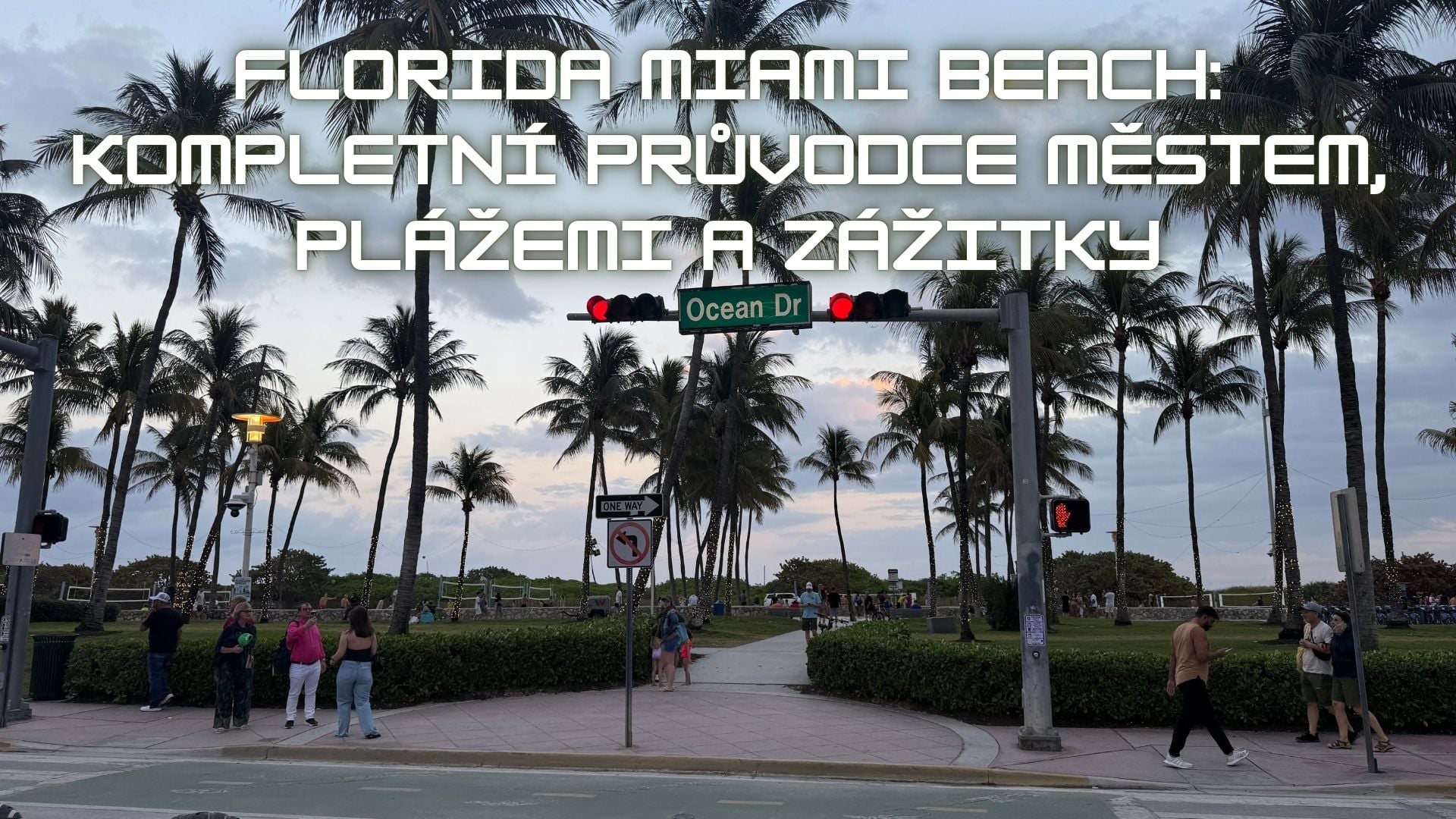
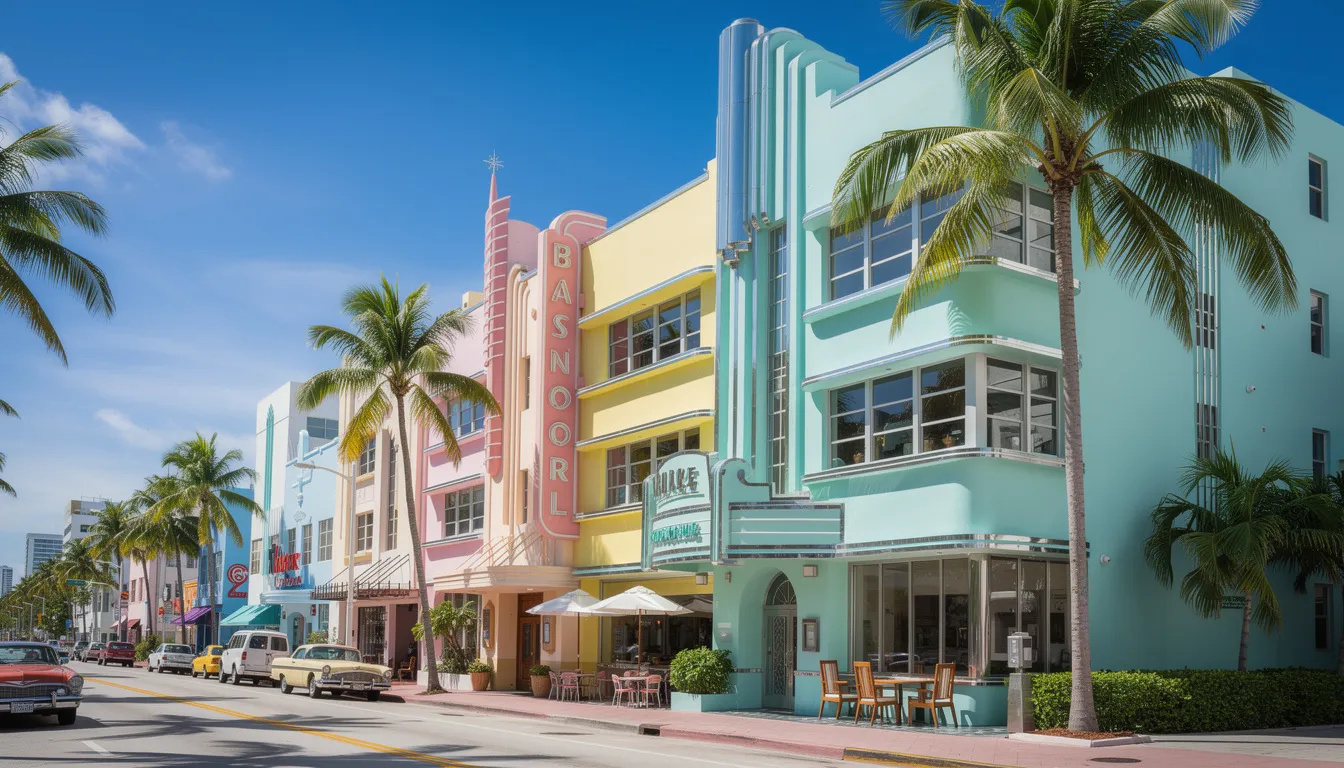
South Beach, known to locals simply as SoBe, occupies the southern tip of Miami Beach from Biscayne Street to 23rd Street. This area has the highest concentration of tourism, with bars, clubs, boutique stores, and iconic hotels along Ocean Drive and Collins Avenue. This is where the heart of the nightlife beats and where you will find the best-known views of Art Deco architecture.
South Beach has undergone dramatic changes throughout its development. During the first half of the 20th century, the area experienced rapid growth thanks to visionaries such as Carl Fisher and the Lummus brothers. Fisher, who made his fortune selling automobile headlights and developing the Indianapolis Motor Speedway, positioned Miami Beach as an “Atlantic City-style playground and winter retreat for the wealthy.”
However, the 1960s and 1970s brought a period of decline. High crime, neglected hotels, and an aging population transformed the once-glamorous neighborhood into a troubled area. Many Art Deco buildings fell into disrepair and faced demolition to make way for modern high-rises.
The turning point came in the 1980s and 1990s. The television series Miami Vice (1984–1989) fundamentally changed perceptions of South Beach, bringing its colorful Art Deco façades and atmosphere of tropical glamour to the screens of millions of viewers. Films such as Scarface (1983) and The Birdcage (1996) further popularized the city's distinctive scenery.
Investors such as Tony Goldman and Ian Schrager began extensive renovations of historic buildings, transforming them into luxury hotels and restaurants. Celebrities such as Madonna, Sylvester Stallone, Cher, and Oprah Winfrey began visiting South Beach, attracting another wave of interest. Interestingly, Al Capone already owned property here in 1928.
Today, South Beach is known for its liberal atmosphere and intense nightlife. The area offers a mix of luxury venues and more affordable alternatives, making it a destination for a broad range of visitors.
Historic Preservation and the Art Deco District
Miami Beach has one of the largest collections of Art Deco architecture in the world. More than 800 buildings, constructed mainly in the 1930s and 1940s, are concentrated around Ocean Drive, Collins Avenue, and Washington Avenue. These structures, with their characteristic pastel colors, geometric ornaments, and neon signs, define the city's visual identity.
In the 1970s, this architectural heritage faced an existential crisis. Economic decline and falling tourism led to plans to demolish most historic buildings and replace them with high-rises. Many people saw the old hotels as an obstacle to modernization.
The Miami Design Preservation League was founded in 1976 to fight for the protection of the city's architectural heritage. Its efforts culminated in 1979, when the Miami Beach Architectural District, known as the Art Deco District, was added to the National Register of Historic Places. It was the first 20th-century district to receive this recognition.
Key investors transformed the rescued buildings into luxury establishments. Tony Goldman revitalized entire blocks along Ocean Drive, while Ian Schrager transformed hotels such as the Delano into iconic gathering places for celebrities and designers. The renovations of The Raleigh and The Betsy hotels received international recognition.
To this day, the city hosts major cultural institutions and events. The annual Art Deco Weekend on Ocean Drive celebrates the city's architectural heritage, while Art Basel Miami Beach, held every December since 2002, attracts art collectors and galleries from around the world. The New World Symphony is based in a Frank Gehry-designed building at SoundScape Park, and the Bass Museum of Art presents an important collection of European and American art.
City Government and Current Leadership (Mayor Steven Meiner)
Miami Beach operates under a city commission and mayor system. Steven Meiner became the city's 39th mayor in late 2023, bringing extensive experience from his legal career and many years of involvement in local politics. His professional background shapes an approach to city management focused on law and order and transparency.
Meiner earned the nickname “Law and Order Mayor” because of his focus on public safety. His priority is reducing crime associated with nightlife, especially during Spring Break, when the city faces an influx of young visitors. He supports a greater police presence and stricter regulation of bars and clubs during nighttime hours.
His main priorities include improving residents' quality of life. This involves reducing nighttime noise, regulating Airbnb-style short-term rentals in certain residential zones, and addressing overcrowding during peak tourist seasons. Traffic congestion on the causeways connecting Miami Beach with the mainland represents another challenge that the city's leadership is working to address.
Meiner supports transparent communication with the community through public hearings, online broadcasts of city commission meetings, and open data. The city is seeking to balance the needs of the tourism industry, which forms the backbone of the economy, with the demands of long-term residents for a quieter and safer environment.
Tourism, Beaches, and Experiences in Miami Beach
Miami Beach is a key tourism hub in South Florida. Seven miles of white sandy beaches lined with palm trees, the turquoise Atlantic Ocean, and an extensive range of daytime and nighttime activities attract millions of visitors every year. The city has repeatedly been ranked among the leading destinations in the USA, including receiving TripAdvisor's Travelers’ Choice award.
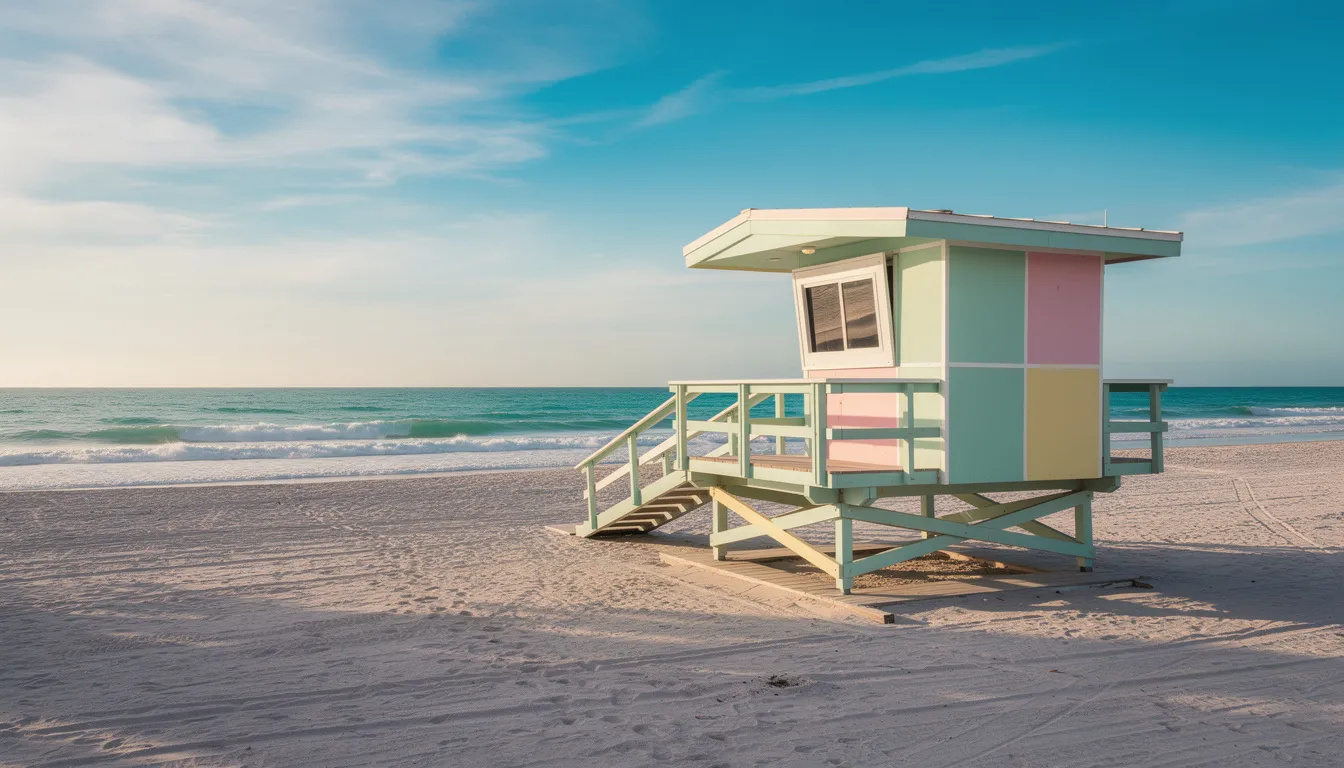
South Beach is the busiest and most iconic beach. Its distinctive colorful lifeguard towers have become a symbol of the city and a popular photo subject. Behind the beach stand the Art Deco buildings of Ocean Drive, with restaurants and bars directly along the sidewalk. This area is ideal for those who want to be at the center of the action.
Mid-Beach (approximately 31st–44th Street) offers a quieter atmosphere with luxury resorts and a wider beach. This area is suitable for visitors seeking relaxation without the noise of South Beach while still being within walking distance of the main attractions. Many of the city's most prestigious hotels are located here.
North Beach has a family-friendly and residential character. North Beach Oceanside Park provides space for picnics and relaxation away from the tourist crowds. The beaches here tend to be less crowded, and the atmosphere feels more like a local community than a tourist destination.
The Miami Beach Boardwalk stretches for several miles north from South Beach and offers an ideal route for walking, running, or cycling. Ocean Drive, with Art Deco buildings such as The Clevelander, Colony Hotel, and Beacon Hotel, is the main pedestrian promenade, while Collins Avenue serves as the city's hotel corridor.
In addition to sunbathing and swimming, popular activities include water sports such as paddleboarding, jet skiing, and kiteboarding. Culturally minded visitors will appreciate The Wolfsonian-FIU and The Bass museums, galleries around Lincoln Road, and organized tours of the Art Deco District. Boat tours from Biscayne Bay offer views of the city from the water and a chance to see celebrity homes on the artificial islands.
Wellness, Sports, and a Healthy Lifestyle
Miami Beach encourages an active lifestyle at every turn. Morning runs along the beach or Boardwalk are popular rituals among locals and visitors alike. Outdoor fitness areas located along the coast make it possible to exercise with ocean views. Beach volleyball courts stretch along South Beach and offer opportunities to join games with locals.
The city and local businesses regularly organize wellness festivals and fitness events, especially during the spring months. These events include open-air workouts, beach runs, yoga classes, and workshops focused on healthy living. They provide an ideal opportunity to combine a vacation with active relaxation.
Many Miami Beach hotels offer their own wellness programs as part of a stay. Spa treatments, healthy breakfasts with local ingredients, rooftop yoga classes, and specialized fitness retreats are common features. For visitors who want to combine a beach vacation with a healthy lifestyle, Miami Beach is an ideal destination.
Oceanfront bike paths and the Citi Bike sharing system make it possible to explore the city actively. Paddleboard or kayak lessons on the calm waters of Biscayne Bay provide an alternative to ocean waves while also offering a full-body workout.
Nightlife and Culture
Miami Beach nightlife is among the liveliest in the entire United States. Bars, rooftop lounges, clubs featuring internationally renowned DJs, and cocktail bars create a colorful variety of evening entertainment options. The action is concentrated primarily in South Beach, where visitors can walk between venues.
Iconic venues include the Clevelander on Ocean Drive, which combines a bar, pool, and live music right by the beach. Mango’s Tropical Cafe offers live Latin American music and dancing. For a more sophisticated experience, there are stylish cocktail bars such as The Broken Shaker. Clubs in hotel complexes along Collins Avenue and around Washington Avenue attract an international crowd.
Miami Beach's cultural scene extends far beyond nightclubs. The New World Symphony holds concerts in SoundScape Park with projections on the building's exterior wall, creating a unique experience under the stars. Theater performances, film festivals, and exhibitions during Art Basel attract artists and collectors from around the world.
The city also offers quieter evening alternatives—strolling along Ocean Drive while admiring the illuminated Art Deco façades, dining at restaurants with ocean views, or simply relaxing in one of the hotel bars with a cocktail in hand.
Hotels and Accommodation in Miami Beach
Miami Beach offers a wide range of accommodation for different budgets and preferences. From large oceanfront resorts on Collins Avenue to small Art Deco boutique hotels on Ocean Drive, every visitor can find a suitable option. Choosing the right accommodation can have a major impact on the overall vacation experience.
Luxury eco-chic hotels such as 1 Hotel South Beach emphasize sustainability and combine high standards with environmental responsibility. Classic Art Deco hotels such as Colony Hotel, The Tides, and The Betsy offer a historic atmosphere with modern comfort. Large resorts such as Fontainebleau Miami Beach and Eden Roc provide a complete experience with pools, spas, and on-site restaurants.
|
Accommodation Type |
Characteristics |
Suitable for |
|
Art Deco hotels |
Historic buildings, compact rooms, central locations |
Couples, solo travelers |
|
Large resorts |
Extensive grounds, private beach, full range of services |
Families, longer stays |
|
Boutique hotels |
Personalized service, design |
Discerning travelers |
|
Mid-Beach resorts |
Quieter atmosphere, luxury standards |
Wellness stays |
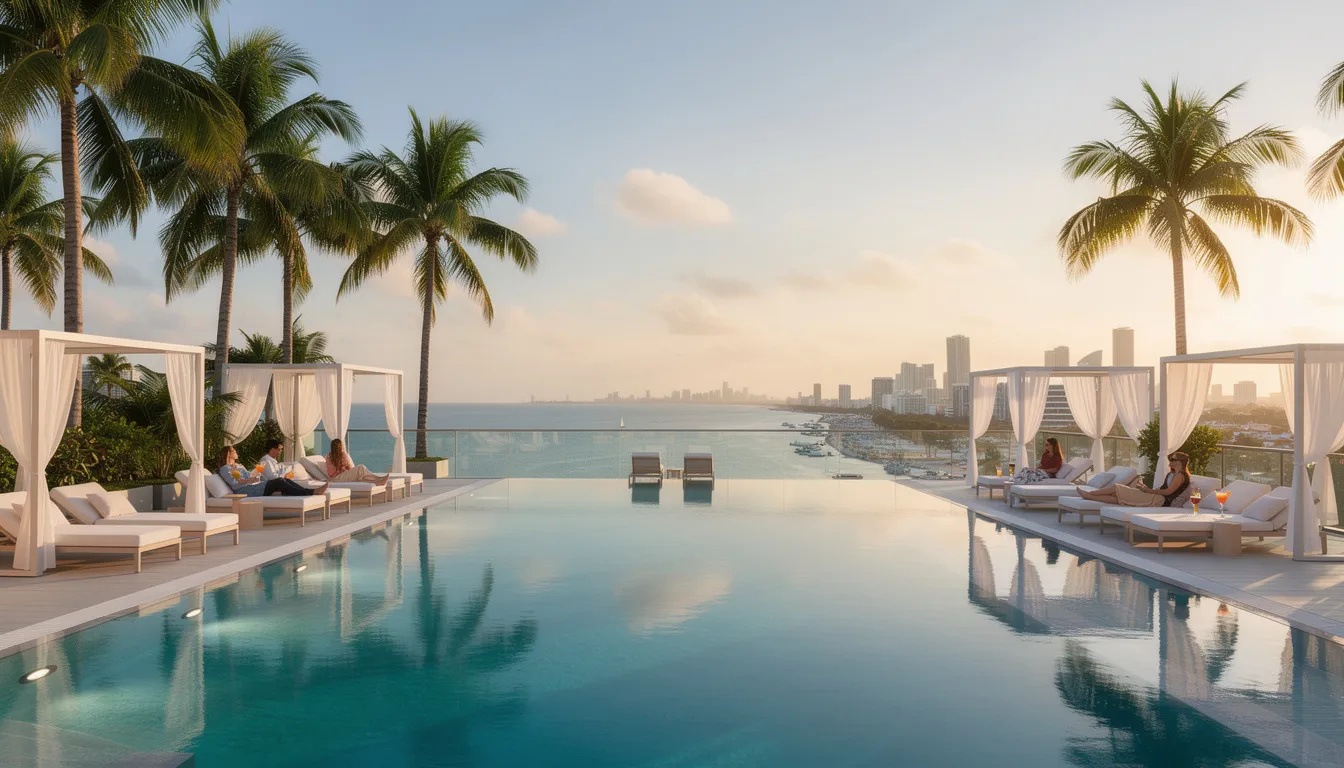
Miami Beach's pools are attractions in their own right. Historic 1950s-style pools, infinity pools overlooking the ocean, and weekend pool parties—the choice of pool can be just as important to a vacation as the beach itself. Many visitors spend their afternoons alternating between the pool and the beach.
Prices vary significantly by season. The winter months (December–April) and major holidays bring the highest prices and full occupancy. The fall period (October–November outside the holidays) offers better prices while the weather remains pleasant. Accommodation in South Beach tends to be more expensive and noisier than in Mid-Beach or North Beach.
Hotels with Exceptional Pools
Fontainebleau Miami Beach has one of the most famous hotel pools in America. The expansive resort pool, with cabanas, a bar, and poolside service, creates the atmosphere of an exclusive club. Its 1950s-style architecture gives the location retro charm, while modern amenities ensure comfort.
Delano Hotel offers a minimalist pool surrounded by tall white curtains and palm trees. Philippe Starck's design made this an iconic space that defined the Miami Beach aesthetic of the 1990s. The pool is longer and narrower than typical hotel pools, creating a more intimate atmosphere.
The Standard Spa on Biscayne Bay faces its pool westward, making it possible to watch sunsets over the water. Its focus on wellness and relaxation makes this hotel ideal for visitors seeking a quieter alternative to the lively pool parties of South Beach.
When choosing a hotel based on its pool, it is important to determine whether the pool parties are aimed at adults and louder entertainment or whether the pool offers a quieter atmosphere suitable for families as well. Some hotels have separate pools for different types of guests.
Miami Beach for Families with Children
In addition to lively South Beach, there are quieter parts of Miami Beach suitable for families with children. North Beach and parts of Mid-Beach offer wider beaches, parks, and significantly less nighttime noise. North Beach Oceanside Park provides spacious grassy areas ideal for picnics and games.
Typical family activities include swimming in calmer sections of the beach, where waves tend to be gentler than in the more exposed parts of South Beach. Renting bicycles or a family surrey bike for a ride along the Boardwalk is a fun way to explore the coast. In nearby Miami, you will find the Phillip and Patricia Frost Museum of Science with interactive exhibits and the Miami Children’s Museum on Watson Island.
Many hotels offer family rooms, children's pools, kids' clubs, and babysitting services. When booking accommodation, it is advisable to actively look for these services and determine whether the hotel caters more to families or the party scene. The difference in atmosphere can be significant.
Healthcare in Miami Beach is of a high standard, and most hotels can arrange contact with a doctor or pharmacy. Families with young children should remember that the sun is intense and consistently use sunscreen with a high protection factor.
Transportation and Public Transit in Miami Beach
Miami Beach is connected to the mainland by several causeways, but road traffic can be very heavy during peak season. Parking in South Beach is limited and expensive, so many visitors consider a combination of public transit, walking, cycling, and ridesharing to be a more practical alternative.
Miami-Dade Transit operates bus services connecting Miami Beach with Downtown Miami, Brickell, and Miami International Airport. On the mainland, these connect with the Metrorail and Metromover networks, making travel around greater Miami easier. The Airport Flyer (Route 150) offers a direct and affordable connection from the airport to Miami Beach.
The city has long discussed the BayLink rail connection project between Miami and Miami Beach. The project has repeatedly been delayed due to funding and technical issues, but it remains part of the region's long-term transportation development plans.
The city's free trolley bus system is an excellent option for tourists. The main routes include:
-
South Beach Loop – covers the South Beach area, including Ocean Drive
-
Middle Beach Loop – connects Mid-Beach with key locations
-
Collins Express – fast service along Collins Avenue
-
North Beach Loop – serves the northern parts of the city
Services run frequently, and the system is easy to navigate even for visitors unfamiliar with the city.
The Citi Bike sharing system has operated in Miami Beach since 2011. More than 160 stations located throughout the city allow users to rent a bike for a short period and return it in another part of the city. Combining a ride along the Boardwalk and Collins Avenue offers an ideal way to explore the city without relying on a car.
Exploring the City on Foot and by Bicycle
Much of South Beach is highly walkable. The distances between the beach, Ocean Drive, Washington Avenue, and Lincoln Road Mall are short and suitable for comfortable walks. Most of the main attractions can be visited in a single day without needing transportation.
Miami Beach offers cyclists several attractive routes. A trail along the Miami Beach Boardwalk is ideal for recreational riding with ocean views. Collins Avenue heading north provides an opportunity to explore Mid-Beach and North Beach. For more experienced cyclists, crossing the Venetian Causeway toward Downtown Miami offers an interesting challenge and views of Biscayne Bay.
Safety tips for cyclists include wearing a helmet, staying consistently hydrated in the summer heat, and respecting bike lanes and pedestrian zones. In the evening, it is advisable to use lights and stay on main roads, where there is better lighting and more people. Strong sunlight requires high-quality sunglasses and sunscreen even when cycling.
Planning Your Trip: When to Go and What to Prepare For
Miami Beach is a year-round destination, but conditions differ significantly between the dry winter season and the humid summer season, when hurricanes are possible. Choosing the right time for your trip can have a major impact on both the overall experience and your budget.
Peak season lasts approximately from January to April. During this period, temperatures are at their most pleasant (around 22–26 °C), rainfall is minimal, and conditions are ideal for beach recreation. The disadvantages are the highest accommodation prices and fully booked hotels. Booking in advance is essential.
March brings a distinctive atmosphere due to Spring Break—the period when American universities have their spring holidays and thousands of students head to Florida's beaches. Some visitors find it too busy, while others consider it part of the experience. The peak winter season begins in December, with Art Basel Miami Beach as its main cultural event.
|
Period |
Temperatures |
Weather |
Prices |
Note |
|
December–April |
18–26 °C |
Dry, sunny |
High |
Peak season |
|
May–June |
25–30 °C |
Start of the rainy season |
Moderate |
Transitional period |
|
July–September |
28–33 °C |
Rainy, humid |
Lower |
Hurricane season |
|
October–November |
24–28 °C |
Rainfall decreasing |
Good value |
Fewer tourists |
The summer months bring high temperatures, intense humidity, and frequent afternoon thunderstorms. Hurricane season lasts until November 30, and travel insurance covering trip cancellation is particularly important during this period.
Visa and Practical Travel Information
Citizens of the Czech Republic and other countries participating in the Visa Waiver Program can travel to the USA for tourism for up to 90 days without a visa. An approved ESTA (Electronic System for Travel Authorization) registration is required and must be completed online before travel. The fee is approximately USD 40, and approval is usually issued within several hours to a few days.
Travelers from countries outside the VWP need a B-2 tourist visa. The process includes completing Form DS-160, paying a fee, and attending an interview at a US embassy. It is advisable to verify current requirements on the official website of the US embassy, as they may change.
Travel to the USA requires a biometric passport valid beyond the planned stay. Travel insurance covering medical expenses is strongly recommended because healthcare in the USA is very expensive, and without insurance, an ordinary injury can result in a bill of thousands of dollars.
Limits apply to bringing food, alcohol, and other goods into the USA. Most fresh foods, meat, and dairy products are prohibited. Alcohol is permitted in limited quantities for people over the age of 21.
Tips Before Departure and After Arrival
It is advisable to book accommodation in Miami Beach in advance, especially for the winter months and periods of major events such as Art Basel or Spring Break. Prices may be twice as high as during regular periods, and popular hotels fill up quickly.
When renting a car, check the driver's age requirements (most rental companies require drivers to be 25) and whether an international driving permit is needed. Compare the cost of renting and parking a car (USD 50–100 per day in South Beach) with public transit and ridesharing options.
What not to forget in your luggage:
-
Lightweight cotton clothing and swimwear
-
A hat and high-quality sunglasses
-
High-SPF sunscreen (SPF 30+)
-
A universal power adapter (USA 110 V, type A/B)
-
A credit card with low foreign transaction fees
After arriving at Miami International Airport, you will go through immigration and customs. Waiting times vary, but allow 30–90 minutes. You can reach Miami Beach from the airport by taxi or rideshare (Uber, Lyft) for approximately USD 35–50. A cheaper alternative is to combine the MIA Mover (a free train to the Metrorail station) with a bus route to Miami Beach.
Things to Do in Miami Beach: Recommended Experiences and Itineraries
Miami Beach offers both iconic tourist attractions and lesser-known local gems that can only be discovered off the beaten path. Ideally, divide your stay among seaside relaxation, exploring architecture and art, and culinary experiences to create a balanced itinerary.
One-day itinerary focused on South Beach: Start with a morning walk along the beach before the hottest part of the day. Continue with breakfast at one of the cafés on Ocean Drive overlooking the Art Deco buildings. Spend the morning exploring the Art Deco District—you can join an organized guided walking tour or set out on your own. Relax on the beach or by the hotel pool in the afternoon. In the evening, visit Lincoln Road Mall for shopping and dinner, followed by a drink at one of the bars on Ocean Drive.
Two-day extension including Mid-Beach: On the second day, explore quieter Mid-Beach and visit one of its luxury resorts. A walk north along the Boardwalk offers a different perspective on the city. Spend the afternoon visiting The Bass or The Wolfsonian-FIU museum. In the evening, try the more sophisticated restaurants on Collins Avenue away from the tourist bustle of South Beach.
Three-day itinerary with a trip to the mainland: On the third day, combine Miami Beach with a trip to Downtown Miami, the Wynwood art district full of street art and murals, or the Cuban neighborhood of Little Havana. Returning to Miami Beach in time for sunset and an evening drink by the ocean completes a comprehensive South Florida experience.
Themed Trips: Art, Dining, Havana Vibes
Art day: Start with an organized tour of the Art Deco District that explains the area's history and architecture. Continue to the Bass Museum of Art in Miami Beach or head to Wynwood on the mainland, where you will find dozens of galleries and the famous Wynwood Walls featuring street art by international artists. In the evening, visit SoundScape Park, where the New World Symphony projects concerts onto the building's exterior wall.
Culinary day: Brunch in South Beach is a local ritual—choose from restaurants on Ocean Drive or Lincoln Road. In the afternoon, explore the seafood restaurants at South Pointe offering fresh seafood. In the evening, sample Cuban and Latin American cuisine, which is ubiquitous in Miami Beach thanks to the strong Cuban diaspora.
“Havana vibes” day: A trip to the Little Havana neighborhood on Calle Ocho offers an authentic Cuban atmosphere right in Miami. Visit Cuban cafés where locals sip strong cafecito, explore Domino Park where older generations play dominoes, and enjoy live salsa or son cubano at one of the local clubs in the evening. Returning to your hotel in Miami Beach provides a contrast between two worlds just a few miles apart.
Some travelers continue directly from Miami to Cuba or other Caribbean destinations. When planning such trips, it is essential to monitor current entry requirements, which may change depending on the political situation and bilateral relations.
Miami Beach, Florida, is a destination that combines natural beauty, historic heritage, and modern experiences in a way that is unique in the world. Whether you are looking for relaxation on the beach, cultural inspiration, or vibrant nightlife, this city on the Florida coast can meet the expectations of many different types of travelers. The key to a successful vacation is choosing the right time, selecting suitable accommodation, and being willing to discover not only the tourist attractions but also the local atmosphere off the beaten path.