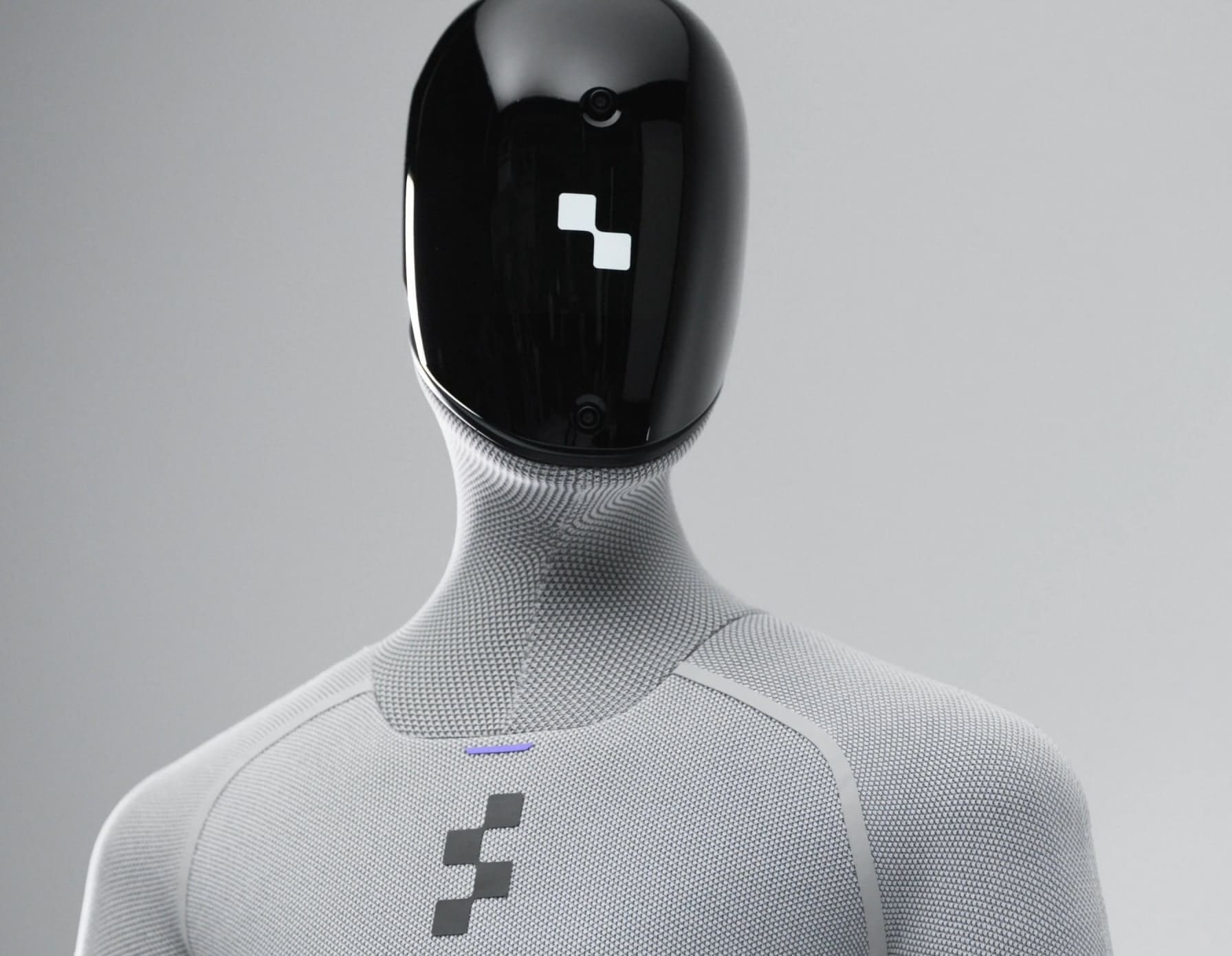
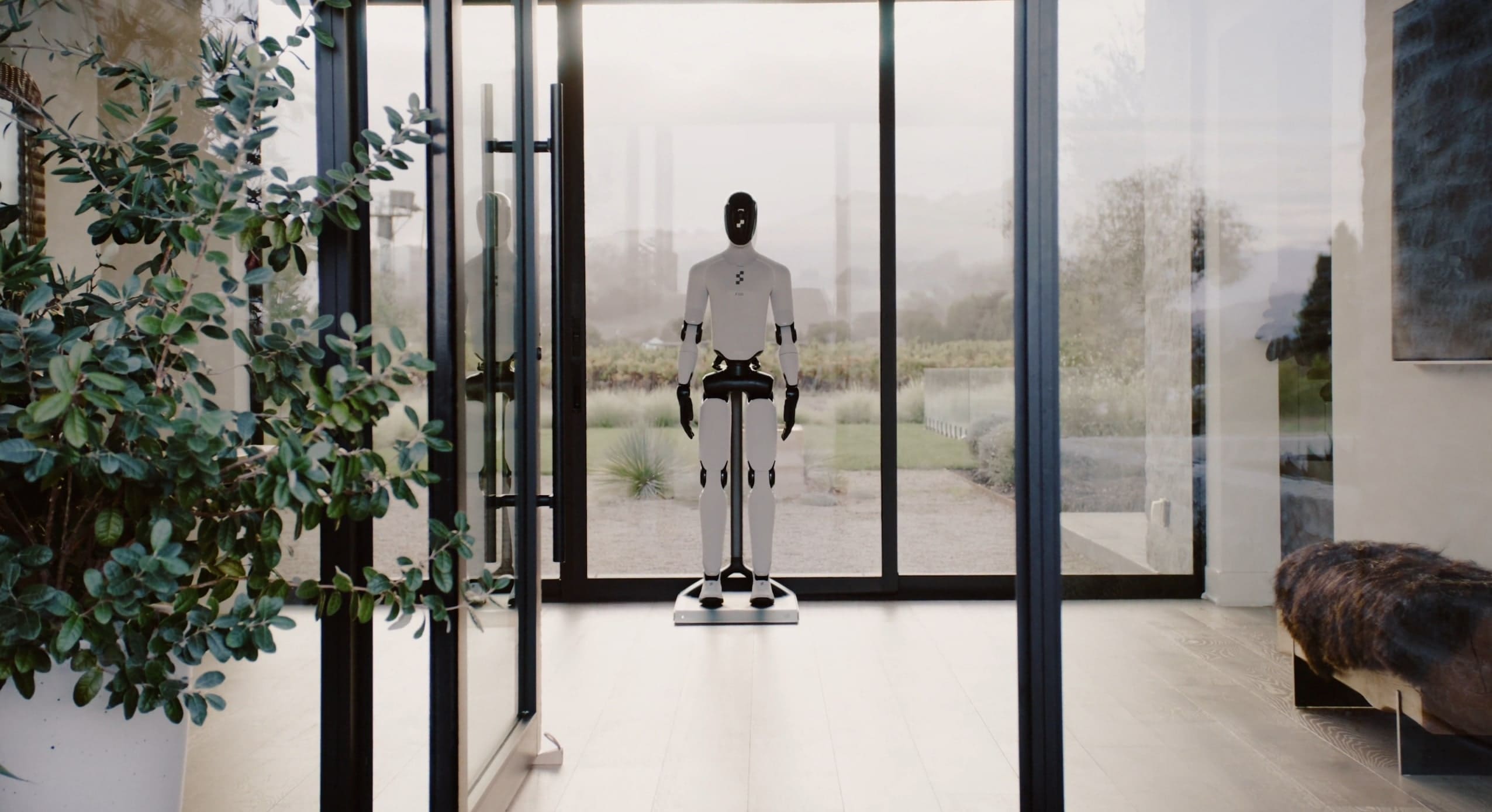
Figure has unveiled its third-generation humanoid robot, called Figure 03. This model was created after a complete redesign of both hardware and software to meet the requirements for general-purpose use. Figure 03 focuses on three main areas: Helix artificial intelligence, home environments, and global deployment on a massive scale. Engineers focused on the sensory system and hands, which enable the robot to perform human-like tasks. The entire design supports learning directly from people, opening the door to a wide range of applications.
Designed for Helix AI
Figure 03 is built on Helix, a proprietary artificial intelligence system combining vision, language, and action. The robot received a new sensory system with cameras that achieve twice the frame rate of previous models. Latency has been reduced to one quarter, and each camera's field of view has been expanded by 60%, while the entire system is more compact. The increased depth of field ensures a stable stream of data for Helix, which helps with navigation in complex spaces such as obstacle-filled homes.
The robot's hands have undergone a major change. Each palm contains a built-in camera with a wide field of view and low latency, providing additional visual information when manipulating objects. This is useful when the main cameras cannot see, for example when reaching into a cabinet. The fingers have softer, adaptive tips that increase the contact area for a stable grip on various shapes. Figure developed its own tactile sensors that detect forces as low as three grams—sensitive enough to feel the weight of a paper clip.
These sensors allow Helix to distinguish between a firm grip and an impending slip, resulting in precise manipulation of fragile or moving objects. The robot also supports data transfer at speeds of 10 Gbps via mmWave technology, allowing a fleet of robots to upload terabytes of data for continuous learning.
The Home—Safety and Comfort First
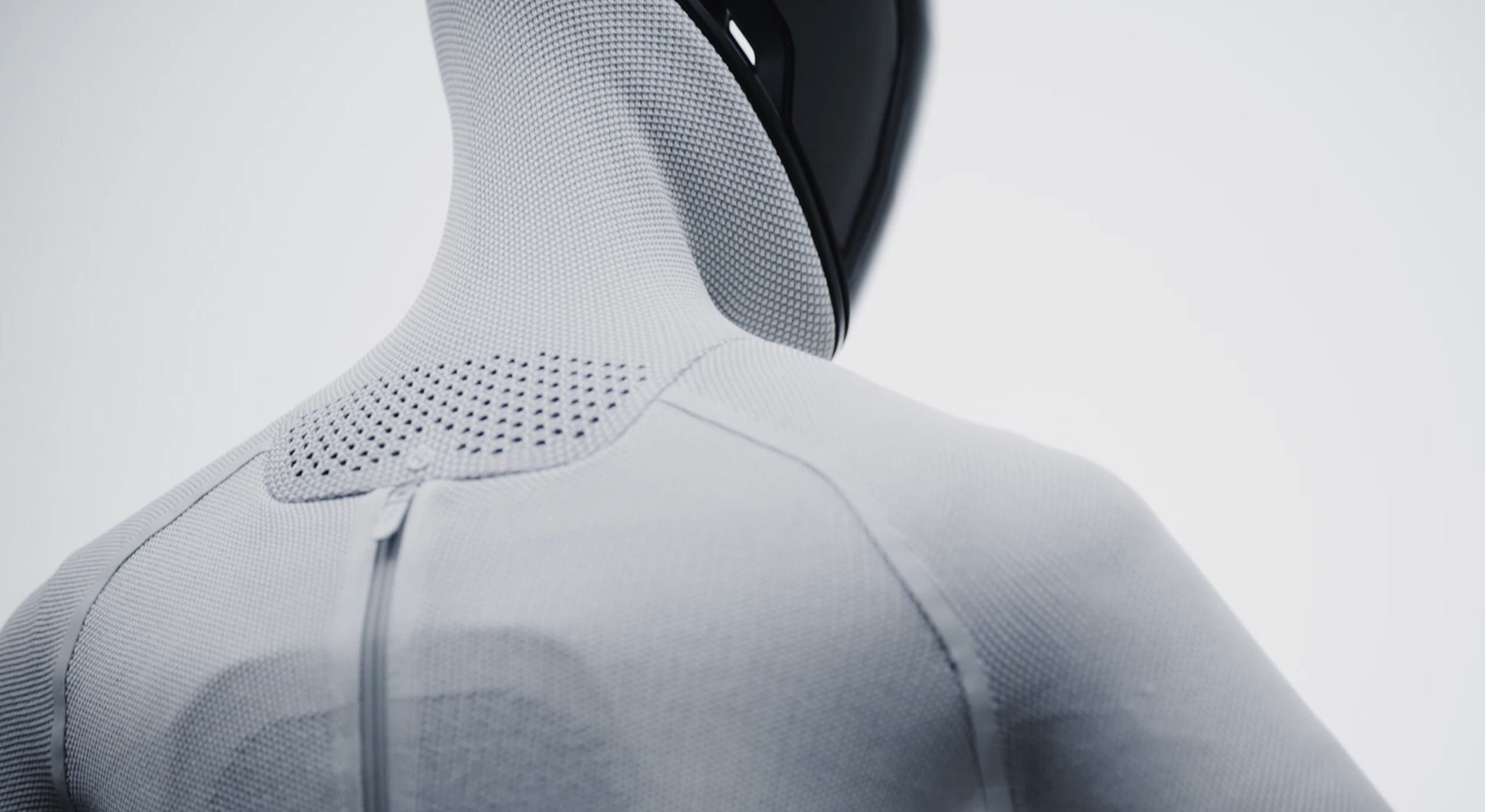
Figure 03 is suitable for homes thanks to modifications focused on safety and ease of use. The robot has multilayer foam in key areas to prevent pinching, and its surface is covered with soft textiles instead of hard metal parts. Its weight has been reduced by nine percent and its volume is smaller, making it easier to move around ordinary apartments or houses.
The robot's battery complies with the UN38.3 standard and includes protections at the level of the battery management system, cells, connections, and the entire pack. This protects against malfunctions or improper use. The textile parts can be washed and replaced without tools, while the robot supports various outfits, including cut-resistant materials.
For better communication, Figure 03 has an improved audio system. The speaker is twice as large and nearly four times more powerful than that of the previous Figure 02 model, and the microphone has been repositioned for better quality. The robot charges wirelessly through induction coils in its feet; it only needs to step onto a 2 kW charging pad. This means it can recharge itself throughout the day without cables.
Designed for Mass Production
Figure 03 is the first robot designed specifically for high-volume production. Engineers reduced the number of parts and assembly operations, shifting from CNC machining to methods such as die casting, plastic injection molding, and stamping. This lowers costs as production volume increases.
The company created a new supply chain for humanoid robots, vertically integrating key modules such as actuators, batteries, sensors, structures, and electronics—all designed in-house. Partnerships with suppliers ensure quality and volume for thousands to millions of parts.
Production takes place at the BotQ facility, which will initially be able to produce up to 12,000 robots per year, with a target of 100,000 units over four years. An in-house manufacturing system ensures the traceability and quality of every part.
Deployment Worldwide
Figure 03 is suitable for commercial environments thanks to improvements that address the variability of homes while offering benefits for the workplace. The actuators achieve twice the speed with a higher torque density (Nm/kg), enabling faster object manipulation.
The sensors and hands support navigation in workspaces and the gripping of objects such as thin metal sheets or deformable bags. Wireless charging allows for nearly continuous operation, requiring only a short pause on the charging pad. Data is transferred quickly during breaks.
Customers can customize uniforms made from durable materials and side displays for fleet identification, including company branding. This makes Figure 03 suitable for various industries, where the robot can handle a wide range of tasks.

Source: figure.ai