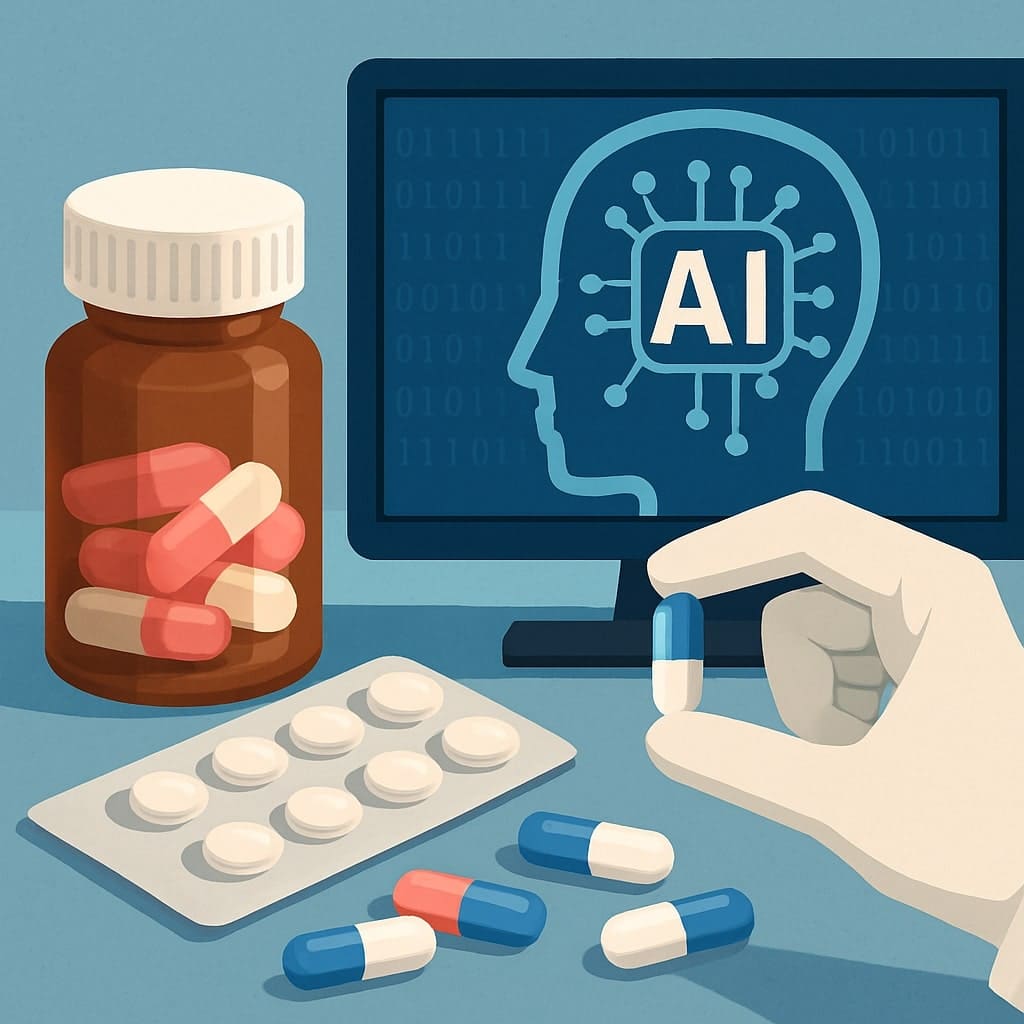
FDA completes first pilot program for scientific review with the help of artificial intelligence and announces ambitious AI implementation strategy
The U.S. Food and Drug Administration (FDA) announced the successful completion of its first pilot program for scientific evaluation assisted by artificial intelligence. At the same time, it presented an ambitious plan to introduce AI technologies across the entire agency. This step represents a significant milestone in the modernization of regulatory processes in the healthcare and pharmaceutical industries.
Groundbreaking pilot program
In its official statement, the FDA said that the recently concluded pilot program demonstrated that artificial intelligence tools can significantly improve the efficiency of experts' work when reviewing scientific data. Specifically, AI helped shorten the time needed to analyze certain parts of drug documentation, which could speed up the entire drug approval process in the future. "This pilot program has provided us with valuable insights into how AI can help our scientists analyze large volumes of data more efficiently," said FDA Commissioner Robert Califf. "The results show that artificial intelligence technologies have the potential to fundamentally change the way the FDA performs its work." The announcement also introduced a new agency-wide strategy for implementing artificial intelligence. It focuses on three key areas:
- Building appropriate technical infrastructure to support AI tools.
- Ensuring the safety and security of AI systems.
- Establishing appropriate governance and management of AI technologies within the agency.
According to Futurism, the FDA plans to significantly expand the use of artificial intelligence across all of its departments. The goal is not only to speed up drug approval processes, but also to improve food safety monitoring, oversight of medical devices, and other key functions of the agency.
The FDA's move is part of a broader trend of digital transformation in government agencies. The agency says its goal is to become an "agency of the future" that effectively uses the most advanced technologies to fulfill its mission of protecting public health. "Implementing AI across the FDA will enable us to better fulfill our mission of protecting and promoting public health," said Commissioner Califf. "At the same time, we recognize that we must proceed responsibly and ensure that these technologies are used safely."
Implications for the future of healthcare
The successful integration of artificial intelligence into FDA processes could have far-reaching implications for the entire healthcare sector. Faster drug approvals could accelerate patients' access to innovative therapies. At the same time, better analytical tools could help identify potential drug safety issues before products are introduced to the market. The FDA emphasizes that its goal is not to replace human experts, but to provide them with advanced tools to help them make more informed decisions. Final responsibility for approving drugs and medical devices will continue to rest with qualified human experts. The FDA's pilot program represents a significant step forward in integrating artificial intelligence into regulatory processes. It will be interesting to see how this initiative develops and what impact it will have on the speed and quality of drug approvals in the coming years.