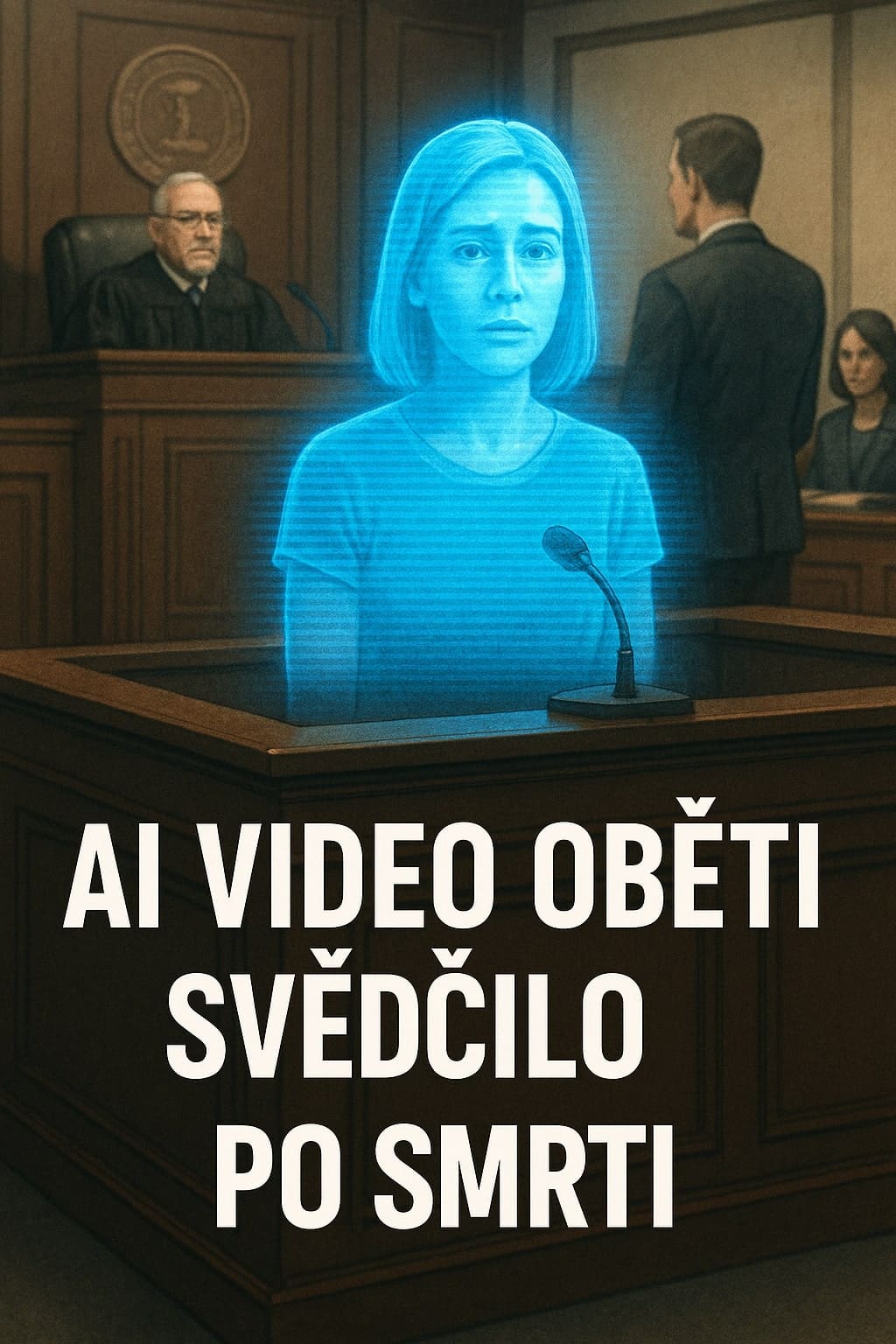
Chandler family created an AI-generated statement for a victim of road rage
New technologies are finding applications even in unexpected situations. A family from Chandler, Arizona, decided to use artificial intelligence in an unconventional way—to create a video statement on behalf of their loved one, who became a victim of a fatal road-rage incident.
According to a report by ABC15, this was a so-called "victim impact statement," meaning a statement about the impact of a crime on the victim, which is a common part of court proceedings in the United States. Such statements are usually delivered by the victims themselves or, in the event of death, by their closest relatives. In this case, however, the family decided to take an innovative approach and create a statement that would symbolically be delivered by the victim himself. The incident occurred in Chandler, a city in the Phoenix metropolitan area, where a fatal collision caused by road rage took place. The family, who lost their loved one, was looking for a way for him to symbolically speak directly to the court and the perpetrator, even though this is no longer physically possible.
Using modern AI technologies, they managed to create a video recording in which their deceased family member appears to speak about the impact the violent act had on him and how it prematurely ended his life. The video is intended to serve as an emotional reminder of the human dimension of the tragedy that occurred on an Arizona road. This approach raises a number of questions about the ethics of using artificial intelligence in the legal system. For the bereaved, however, it represents a way to come to terms with the tragedy while also ensuring that their loved one's voice is symbolically heard during the court proceedings. While legal experts may debate the precedent this case sets, for the victim's family it is primarily a way to ensure that their loved one has the opportunity to express himself about what happened to him, even though he can no longer do so himself.
The state sought a sentence of 9.5 years, and the judge ultimately sentenced Horcasitas to 10.5 years for manslaughter after being deeply moved by the powerful video, the family says. The judge even referred to the video in his closing remarks when delivering the sentence.