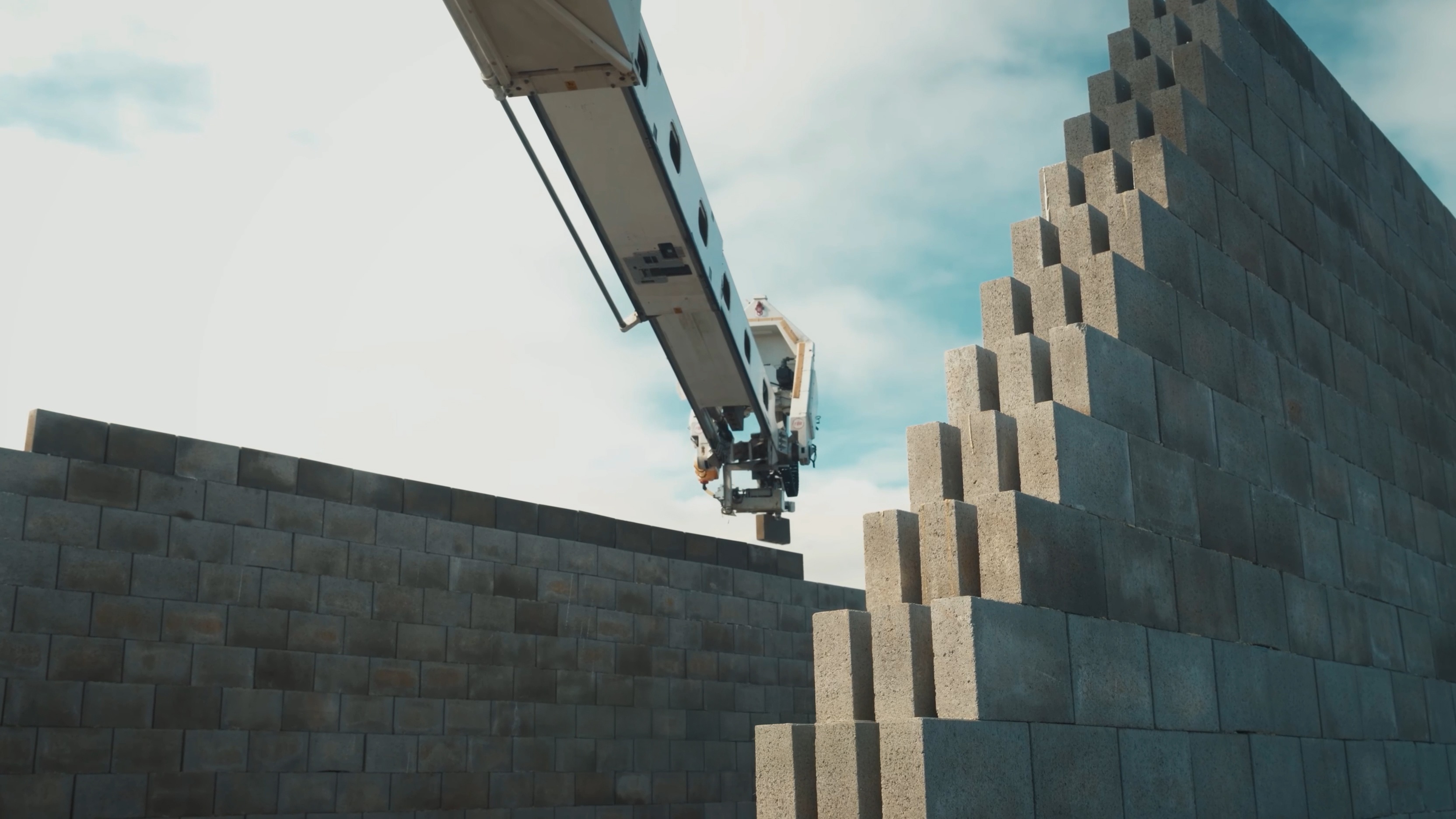
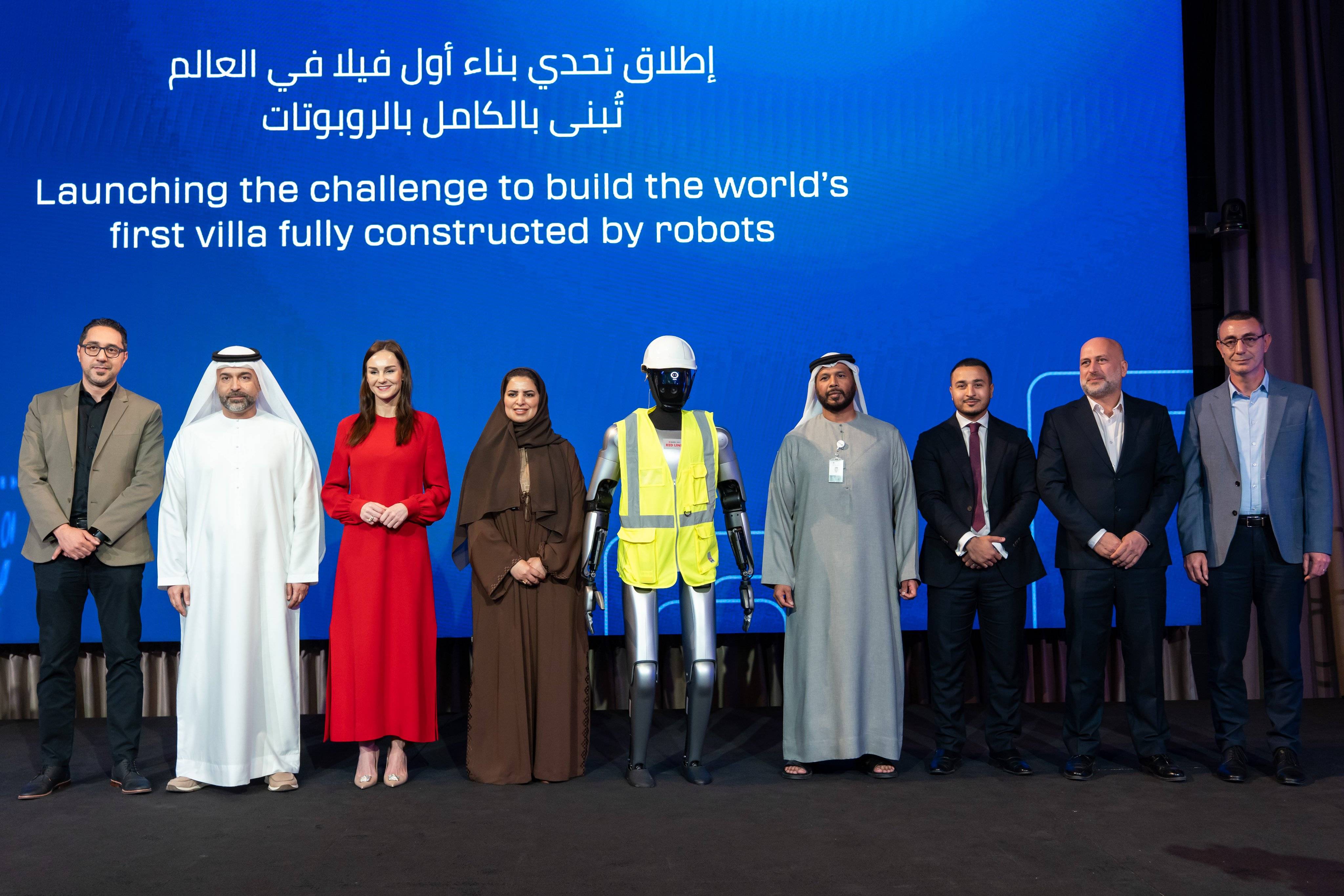
Dubai Municipality has announced a global challenge to build the world's first residential villa constructed entirely using robotic systems. The project represents a breakthrough in construction automation and strengthens Dubai's position as a global hub for advanced construction technologies.
International Consortium
The initiative will be implemented through an international consortium comprising more than 25 technology companies and academic institutions. The project is led by Dubai Municipality in collaboration with Zacua Ventures and Würth Group. Specialist construction robotics firms will participate in the challenge alongside local contractors and engineering companies.
The announcement was made during an event dedicated to the launch of the Construction Innovation and Research Center (04 ConTech Valley) in partnership with Expo City Dubai. The center is intended to serve as a permanent testing environment for advanced construction systems, robotic tools, next-generation materials, and digital infrastructure technologies.
70-70 Strategy for 2030
Marwan Ahmed bin Ghalita, Director General of Dubai Municipality, said that adopting advanced construction technologies represents a fundamental pillar of Dubai's vision to develop a more efficient, sustainable, and resilient construction sector. "Our goal is to make the sector smarter and more sustainable, accelerate the adoption of advanced technologies, and connect innovation with real-world applications," bin Ghalita said.
Dubai Municipality, in collaboration with Sobha Realty, has launched the 70-70 Strategy for 2030. The plan sets clear automation targets for the local construction sector – 70% of construction activities will shift to off-site manufacturing, and 70% of factory production processes will be automated by 2030.
Investments to Exceed $30 Billion
During the event, Dubai Municipality presented the Global Construction Technology Report in collaboration with Zacua Ventures. The report analyzes the accelerating global adoption of construction technologies and predicts that investment in the sector will exceed $30 billion (approximately CZK 690 billion) by 2033, with annual growth of 17.5%.
The report identifies labor shortages as one of the most pressing challenges facing the global construction industry, leading to increased investment in technologies such as robotics and additive manufacturing. It also highlights the most significant technologies shaping the sector, including artificial intelligence, robotics, infrastructure technologies, and prefabrication.
A Factory-Based Approach to Construction
Municipal officials expect successful projects at the center to influence future regulations. They also plan to integrate proven systems into both public and private projects. Off-site manufacturing can reduce waste and improve quality control, while higher levels of automation can shorten project timelines and reduce on-site risks.
The robotic villa represents a visible step toward industrialized, technology-driven construction. The completed villa must meet standards for conventional housing, rather than merely serving as a demonstration. The project aims to show that robotics can operate reliably on real residential projects, not only in experimental pilot programs.