The U.S. congressional elections produced a result that technology companies had been watching with great concern. Democrats won majorities in both chambers of Congress, but the real shock came from Texas. Democrat Gina Hinojosa became governor after promising during her campaign to halt the construction of new data centers. Texas accounts for more than a quarter of the capacity that U.S. companies plan to build by 2030. Shares of companies associated with artificial intelligence plummeted overnight as the votes were being counted.
New governor wants to halt data center construction
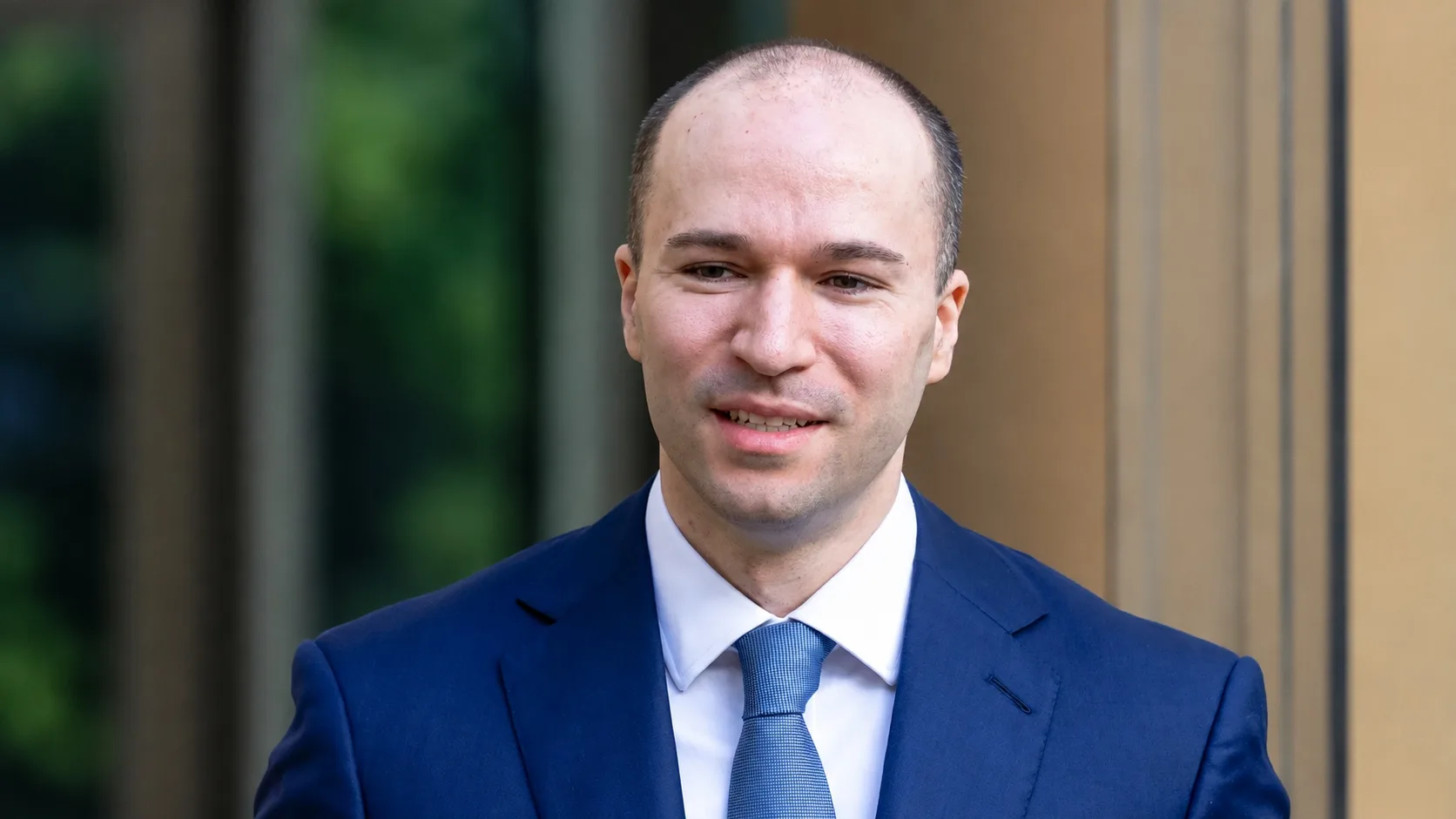
Hinojosa defeated incumbent Republican Governor Greg Abbott, winning nearly 53 percent of the vote. Texas will thus have a Democratic governor for the first time since 1990 and, for the first time ever, a woman of Latin American descent in the office. The state also sent Democrat James Talarico to the U.S. Senate, something that had not happened in decades either.
In her victory speech, the new governor did not mince words. She told influential figures who, in her view, had grown far too comfortable running the state that voters were clearly demanding change and that change was what they would get. The composition of the Texas legislature may also make it easier for her to push through her plans. According to preliminary results, Democrats are on track to take control of the House, though the state Senate is expected to remain in Republican hands.
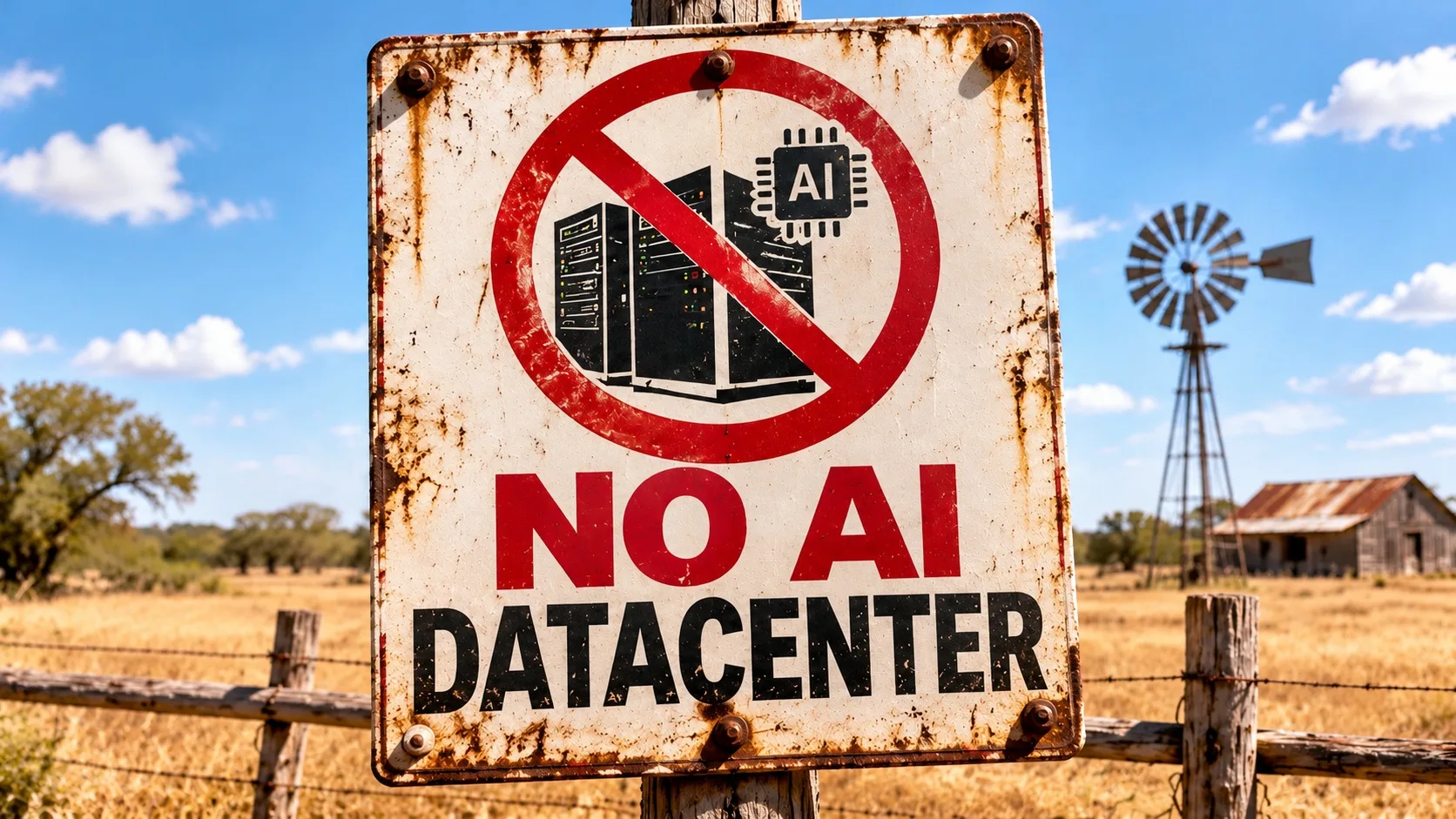
Hinojosa made opposition to the construction of massive data centers a centerpiece of her campaign. She promised to declare a moratorium on new data centers, introduce stricter rules on water and electricity consumption, and eliminate the tax breaks that had attracted companies to Texas. In one campaign ad, she even claimed that Abbott worked for Elon Musk.
Just last year, Abbott described Texas as a hub for artificial intelligence development. When voter sentiment began to shift, he changed his tone as well. He announced his own construction freeze and backed stricter energy and water consumption requirements. Hinojosa immediately dismissed his reversal as a campaign-season pause. Before the election, Tobin Marcus of analytics firm Wolfe Research noted that Texas was the only state large enough, and where the candidates differed enough, for the result to truly make a difference.
Americans do not trust AI
The result in Texas was not an isolated case. Opposition to data centers has spread across the United States in recent months. According to NBC's post-election poll, 67 percent of voters believe artificial intelligence is more likely to harm society, while only 24 percent expect it to help. A September poll by the University of Massachusetts Amherst showed that nearly two-thirds of Americans oppose the construction of a data center in their area, while only 11 percent welcome it.
Voters also weighed in on the issue directly. In 13 states, from Arkansas to Wisconsin, they voted in local referendums concerning data centers. One tally counted 28 proposals to restrict their construction, and by Wednesday morning virtually all of them were headed for approval. In Ohio alone, voters in at least 14 municipalities approved bans or other restrictions. Democrat Sherrod Brown, who campaigned on a message similar to Hinojosa's, won a Senate seat there and declared in his victory speech that he did not work for energy companies or data centers.
Democrats also won gubernatorial races in Georgia, Ohio, and Pennsylvania, states where a large share of new data centers are being built. According to Bloomberg, roughly half of all proposed artificial intelligence capacity will therefore face stricter oversight and opposition. Goldman Sachs estimates that short-term moratoriums at the state and local levels could affect about 45 percent of planned data center expansion in the U.S.
Elon Musk is also aware of the situation. His company SpaceX is building data centers with several gigawatts of capacity, including in Texas, where the company is also headquartered. As the results began to take shape early Wednesday morning, he remarked on X that data centers in space now looked quite appealing.
AI company shares fell
Markets reacted to the results immediately. Shares of CoreWeave, a company building data centers primarily with borrowed money, fell 7 percent on the Robinhood platform. SpaceX lost 6 percent, while Nebius and Oracle each dropped 4 percent. Futures on the Nasdaq-100 technology index also weakened. Wells Fargo estimates that Texas accounts for 27 percent of the planned gigawatts of new data center capacity in the U.S., which is why investors viewed the result there as a greater risk than the change in the congressional majority itself.
Analysts had already warned about the risks before the election. Ed Mills of Raymond James wrote that the Texas gubernatorial race would be exceptionally important for the future of artificial intelligence investments because a strong Democratic result could heighten concerns about moratoriums and stricter rules in the state where the most data centers are planned in the country. Bank of America described the contest as one of the elections with the greatest impact on the entire energy sector.
Sources: bloomberg.com, finance.yahoo.com and cnbc.com