

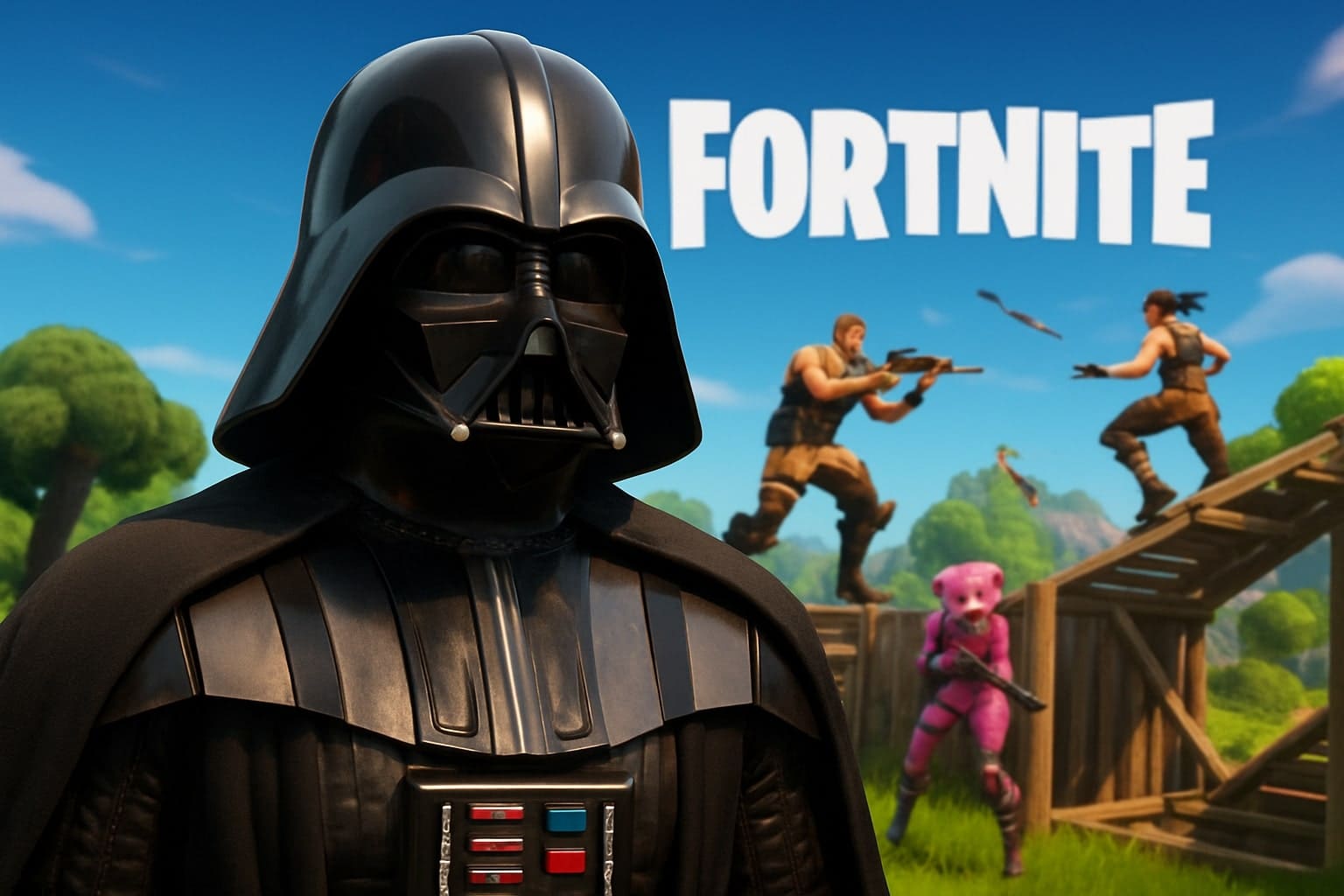
Controversial AI Darth Vader in Fortnite Sparks Storm: The Digital Voice of James Earl Jones and Union Backlash
Epic Games has found itself at the center of a heated controversy after implementing an artificially intelligent Darth Vader character in its popular game Fortnite. This new feature, which allows players to communicate with a digital version of the legendary villain in real time, has drawn sharp criticism from professionals in the gaming industry. The core of the issue lies in the use of generative artificial intelligence to create a fully interactive Darth Vader NPC capable of conversing with players using a digital reconstruction of the iconic voice of the late James Earl Jones.
The Screen Actors Guild-American Federation of Television and Radio Artists (SAG-AFTRA) responded by filing an unfair labor practice complaint against Llama Productions, which collaborated with Epic Games on the feature. SAG-AFTRA claims that using AI-generated voices without union consent violates labor agreements intended to protect actors from being replaced by technology. The union argues that although James Earl Jones’s family reportedly approved the use of his voice for the project, this does not address broader concerns about living actors being pushed out of job opportunities and the gradual erosion of human talent’s creative contribution. Technical failures and inappropriate content quickly complicated the situation. Players soon discovered that AI Darth Vader could be manipulated into using profanity and repeating racist slurs during gaming sessions. These problems occurred because the system was created using Google Gemini 2.0 Flash for text generation and ElevenLabs Flash v2.5 for audio synthesis—technologies known to occasionally repeat user input without adequate filtering. Clips showing “Darth Vader” using inappropriate expressions began circulating online, raising questions about content moderation in a live gaming environment.
Concerns Among Voice Actors
Concerns about digital replication are another pressing issue. Despite permission from James Earl Jones’s family, many critics see the move as a troubling precedent: should studios be allowed to digitally revive or replicate deceased actors without involving living performers? Critics argue that this approach undermines both ethical standards in entertainment production and the long-established professional boundaries between technology developers and creative workers. According to the official announcement on the Fortnite website, the interactive Darth Vader is described as a revolutionary gaming experience that will allow players to “speak with Darth Vader” using a conversational AI system. Epic Games emphasizes that the feature brings an entirely new level of immersion to the Star Wars universe. On its website, the company highlights the technological breakthrough that enables the character to respond to players’ questions in a way intended to evoke an authentic experience of interacting with the iconic villain. This marketing, however, contrasts with the reality of the problems that emerged after implementation.
Epic Games has not yet issued a formal statement regarding these complaints, but reports indicate that it has made technical adjustments intended to limit what players can prompt the chatbot to say—an implicit acknowledgment of some of the problems critics have pointed out. Meanwhile, SAG-AFTRA continues to push for stricter guidelines governing the use of generative AI in media. From the union’s perspective, any implementation of artificial intelligence in the entertainment industry must be preceded by dialogue, explicit consent, and legal protections for the artists involved. This incident highlights the growing tension between technological innovations, such as generative AI, and labor rights in the entertainment industries. As one commentary on the case stated: “The union’s case underscores the growing tension between innovation and labor rights... while tools such as generative AI promise new levels of creative possibility, they also risk relegating human talent to the sidelines.” The situation also raises urgent questions about regulating the use of artificial intelligence in creative fields.
The controversy surrounding AI Darth Vader in Fortnite is emblematic of broader debates about the role of artificial intelligence in the creative industries. It represents a turning point where technological progress collides with established norms surrounding artistic labor, ethics, compensation, and control over one’s own likeness or performance. As regulators review these practices and further similar incidents occur, the outcome could shape future cooperation between game developers, Hollywood studios, unions such as SAG-AFTRA, and technology companies specializing in generative models. Ultimately, this case may determine who receives recognition—and financial compensation—when beloved characters come to life through code rather than artistic craft.


