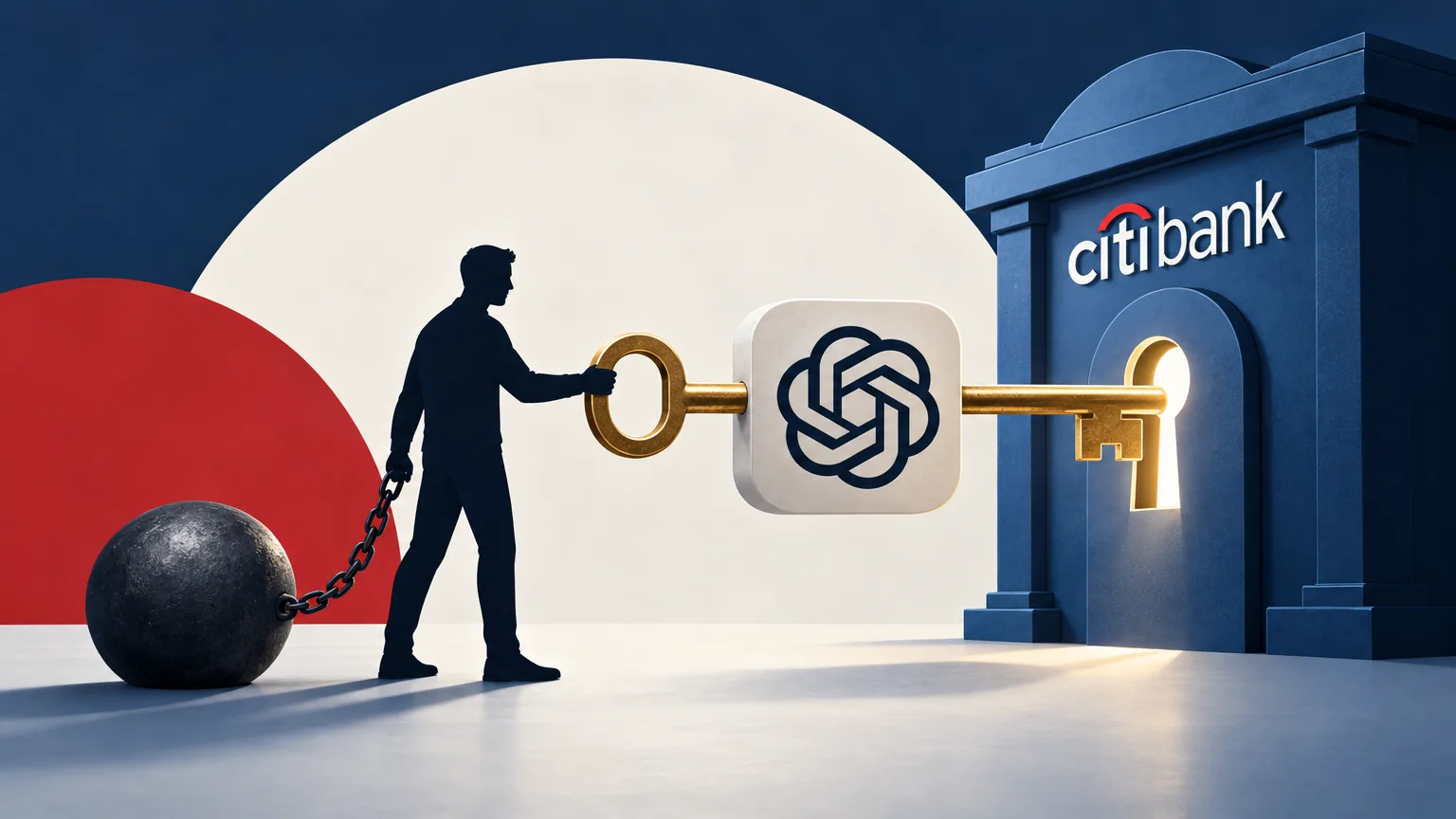
Citibank changed its terms of service this week for customers who use third-party AI tools to manage their personal finances. Customers are now liable for related issues, even if the tool is compromised and attackers gain access to the account.
Liability also includes the consequences of leaked login credentials
The change applies not only to the agent's own actions. If the tool exposes login credentials or is compromised, under the terms the customer is also liable for what the attackers do with the account.
A Citi spokesperson said the update to the online user agreement is intended to clarify the risks of sharing bank login credentials and confirm customers' responsibility for the actions of agents they allow to access their accounts.
What agents can do with finances
AI agents with login credentials for bank and other financial accounts can analyze spending or investment decisions and provide advice. Some tools can also carry out transactions or pay bills.
The capabilities of individual tools vary. Anthropic describes its personal finance tool, launched earlier this month, as read-only. According to the company, it cannot move, manage, or invest money.
Citibank's terms distinguish third-party agents from tools provided by the bank itself. Customers can use its own agents without assuming additional liability.
Other banks are introducing similar rules
JPMorgan and Bank of America announced similar rules in October. PNC changed its terms on November 18.
Citizens Bank notified customers by email this week that they are responsible for the actions of their AI assistants.