

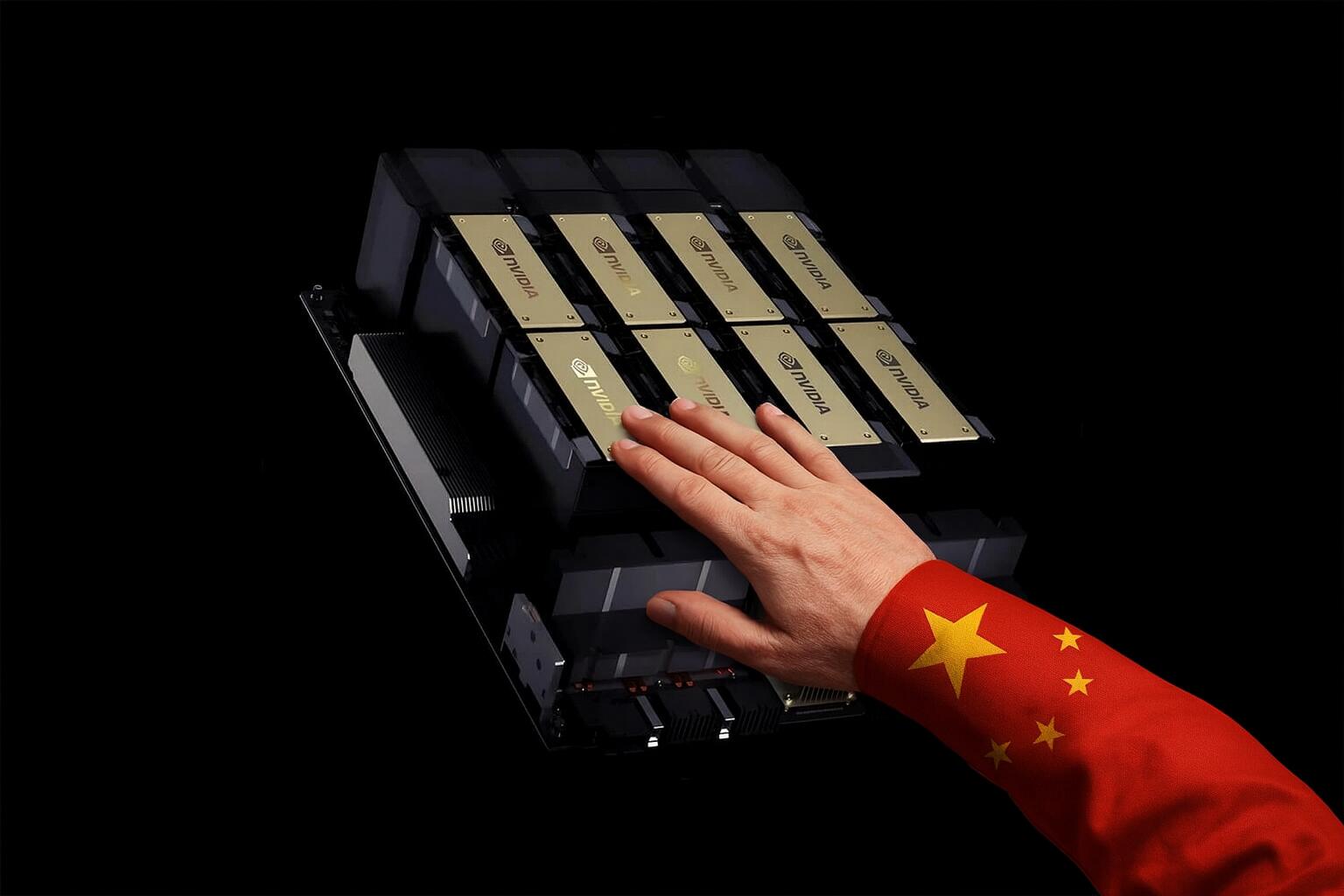
Chinese authorities recently convened emergency meetings with major technology companies such as ByteDance, Tencent, and Alibaba. The aim of these meetings is to assess how many Nvidia H200 chips these companies would need. According to available information, the discussions are focusing on potential limits on imports of these chips. Why emergency meetings? Because the US recently changed its rules, opening the door to sales of older chip models to China, but China is now considering how to respond in order to protect its interests. Companies such as ByteDance, which operates TikTok, and Tencent, with its gaming and communications services, have an enormous need for powerful artificial intelligence (AI) chips. The meetings addressed the level of demand to expect and whether to introduce restrictions on the quantities imported.
Trump's decision
The entire situation began when US President Donald Trump announced on his Truth Social platform that he would allow Nvidia H200 chips to be sold to China. This happened on December 8, 2025. These chips are the generation preceding more advanced models such as Blackwell. Trump emphasized that sales would be subject to national security requirements and approval by the US Department of Commerce. Interestingly, the US will take a 25% cut of these sales. This is not the first time—a similar agreement was already in place this year for H20 chips, under which Nvidia and AMD shared 15% of sales with the US in exchange for export licenses. Nvidia CEO Jensen Huang said that such sales would help US competitiveness in AI, and the company welcomed the move as support for American jobs and manufacturing.
Nvidia's H200 chips are crucial for AI computing tasks such as training models and processing data. China depends on imports in this regard because its domestic production has not yet reached the same level of quality. However, US concerns about the military use of these chips persist—US defense experts warn that they could fall into the hands of the Chinese military. Trump therefore emphasized security measures. On the other hand, Nvidia's Jensen Huang recently questioned whether China would even be interested in these older chips, since newer models such as Blackwell remain banned, as will the upcoming Rubin chips in 2026. China is now considering whether to restrict H200 imports to support domestic manufacturers and reduce its dependence on American technology.
Sources: theinformation.com and tomshardware.com


