

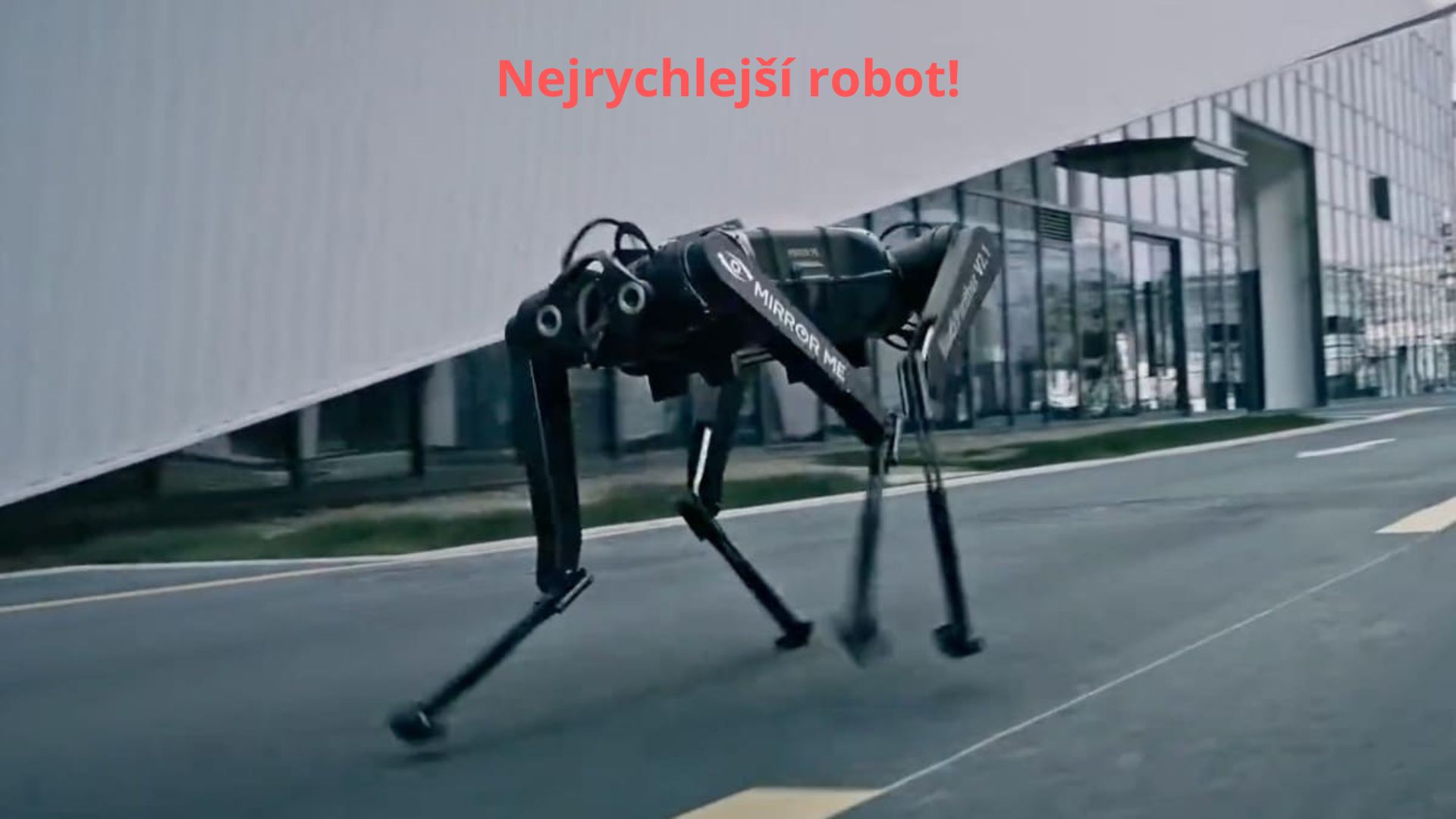
China's Black Panther II: A Robot That Runs 100 Meters in 13 Seconds
Technical Details and Robot Design
Black Panther II weighs around 38 kilograms and stands 0.63 meters tall. Its design is based on a lightweight structure that enables high mobility. According to Mirror Me co-founder Jin Yongbin, the robot is equipped with high-power-density motors and advanced artificial intelligence (AI) algorithms that optimize its gait and ensure stability even on uneven terrain. In earlier tests, the robot even reached speeds of up to 10.4 meters per second, approximately 23.3 miles per hour (37.5 kilometers per hour). This speed approaches the average speed of elite human sprinters such as Usain Bolt, who averaged 10.44 meters per second during his world-record run in 2009.
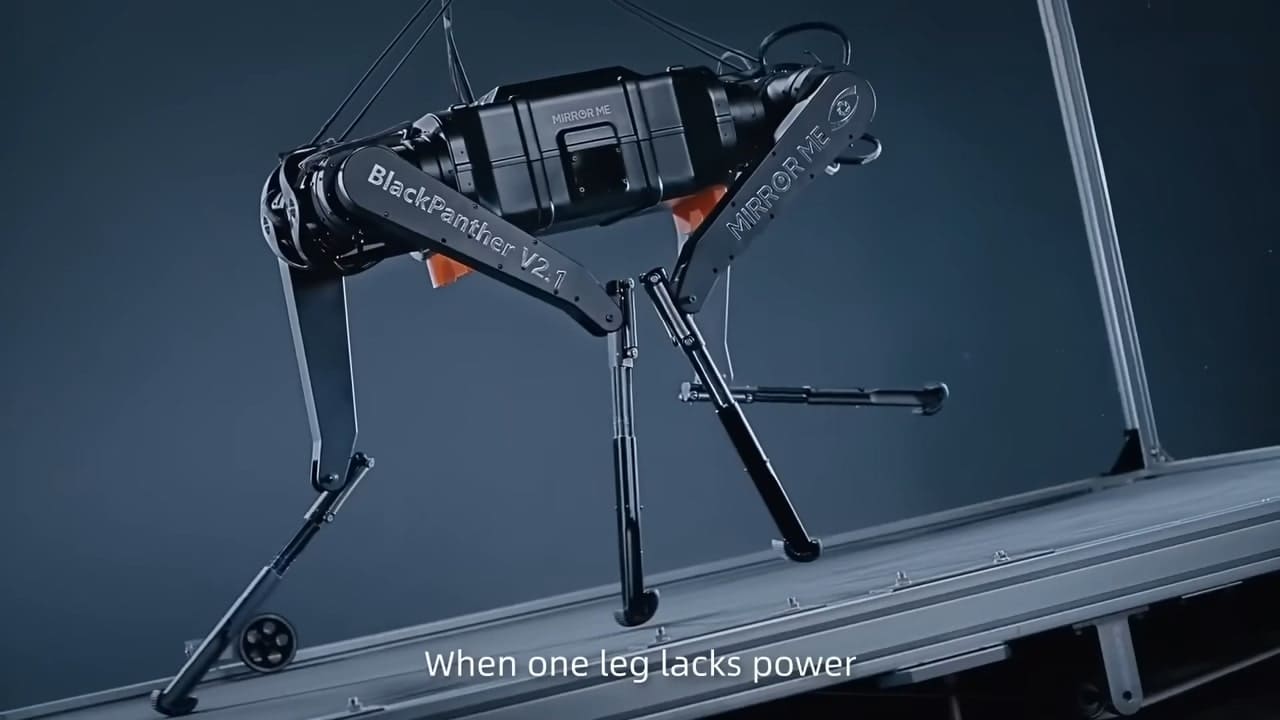
Mirror Me, founded in Shanghai in May 2024 by graduates and faculty members from Zhejiang University, focuses on developing highly mobile robots. Black Panther II is not just about speed—its design incorporates features that allow it to move across various surfaces, as demonstrated in tests on the athletics track. The record-breaking run has not yet been officially recognized by Guinness World Records because the company is primarily focusing on further research and development before submitting an application.
Comparison with Competitors
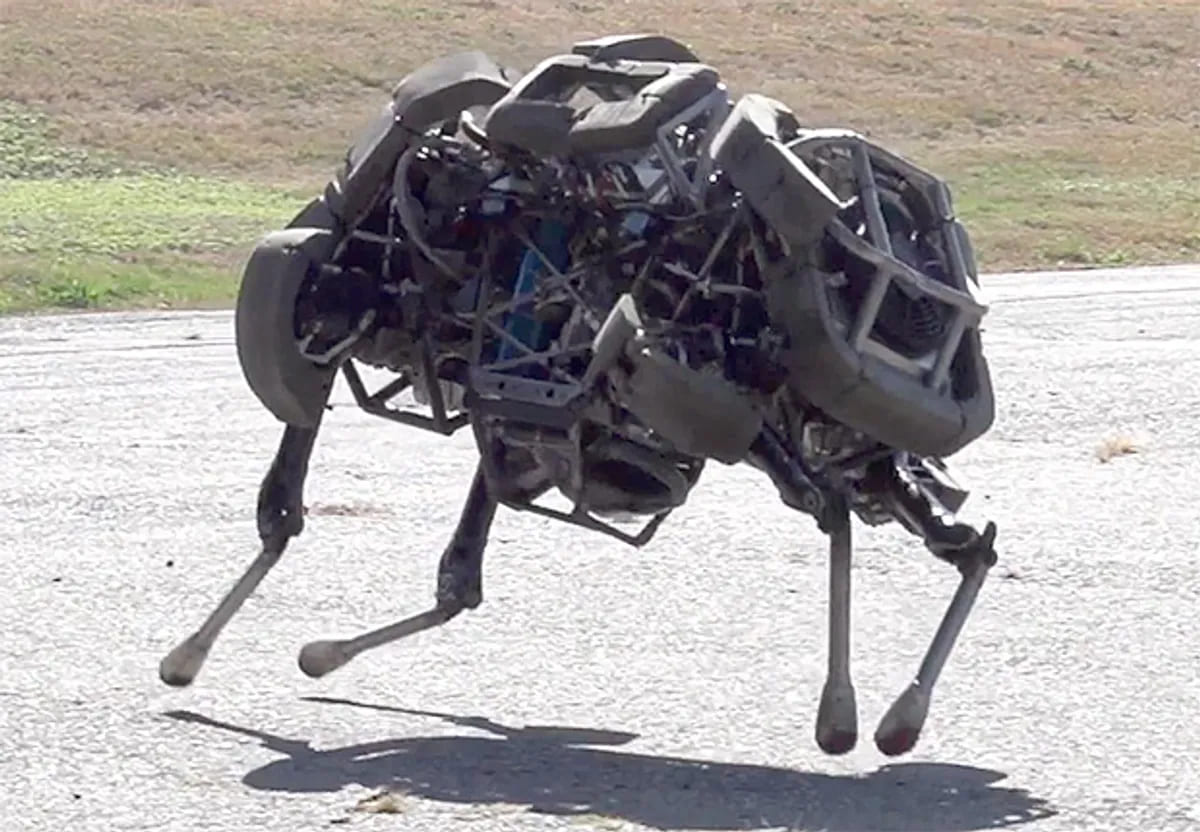
Black Panther II significantly outperforms its rivals. For example, Boston Dynamics' WildCat robot reaches a maximum speed of around 8.8 meters per second, which is lower than the Chinese robot's top performance. Another comparison shows that KAIST's Hound is more than six seconds slower over 100 meters. In tests, Black Panther II also exceeded WildCat's speed of 19.7 miles per hour (31.7 kilometers per hour). These figures come from public demonstrations and research papers, such as a 2020 study on WildCat.
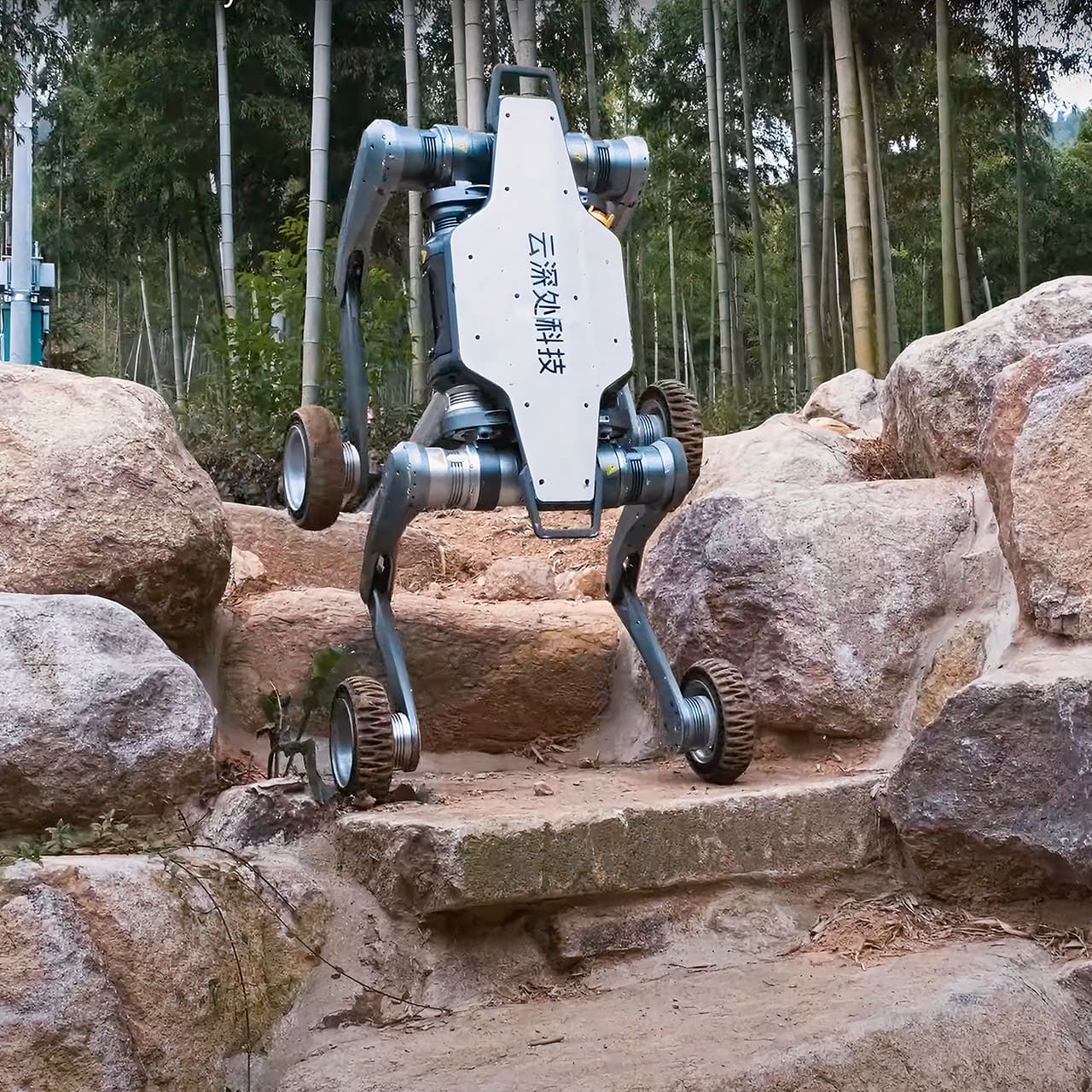
In the broader context of China's robotics industry, Black Panther II ranks among innovations such as the Lynx robot from DEEP Robotics, which demonstrates flexibility in movement, or Unitree's firefighting robots equipped with water cannons offering a range of 60 meters and a flow rate of 40 liters per second. China produced 556,000 industrial robots in 2024, 14.2 percent more than in the previous year, while the humanoid robot market reached a value of approximately 2.76 billion yuan ($380 million).
Future Plans and Applications
Mirror Me has ambitious goals: by 2026, it plans to develop a bipedal robot capable of running at 10 meters per second, and by 2030, a humanoid robot that can serve as a personal assistant. Thanks to its speed and robustness, Black Panther II could be used in search and rescue operations, industrial automation, or the exploration of hazardous environments. This robot represents a step forward in robotic mobility, demonstrating how China is pushing the boundaries of the global robotics industry.


