Bee AI is heading under Amazon’s wing – the future of the smart wristband that listens to every conversation
Amazon has officially confirmed the acquisition of Bee, a startup specializing in the development of wearable devices with artificial intelligence. This intriguing acquisition was announced through a LinkedIn post by company co-founder Maria de Lourdes Zollo, while Amazon confirmed to TechCrunch that the deal has not yet closed.
What exactly is Bee and how does it work?
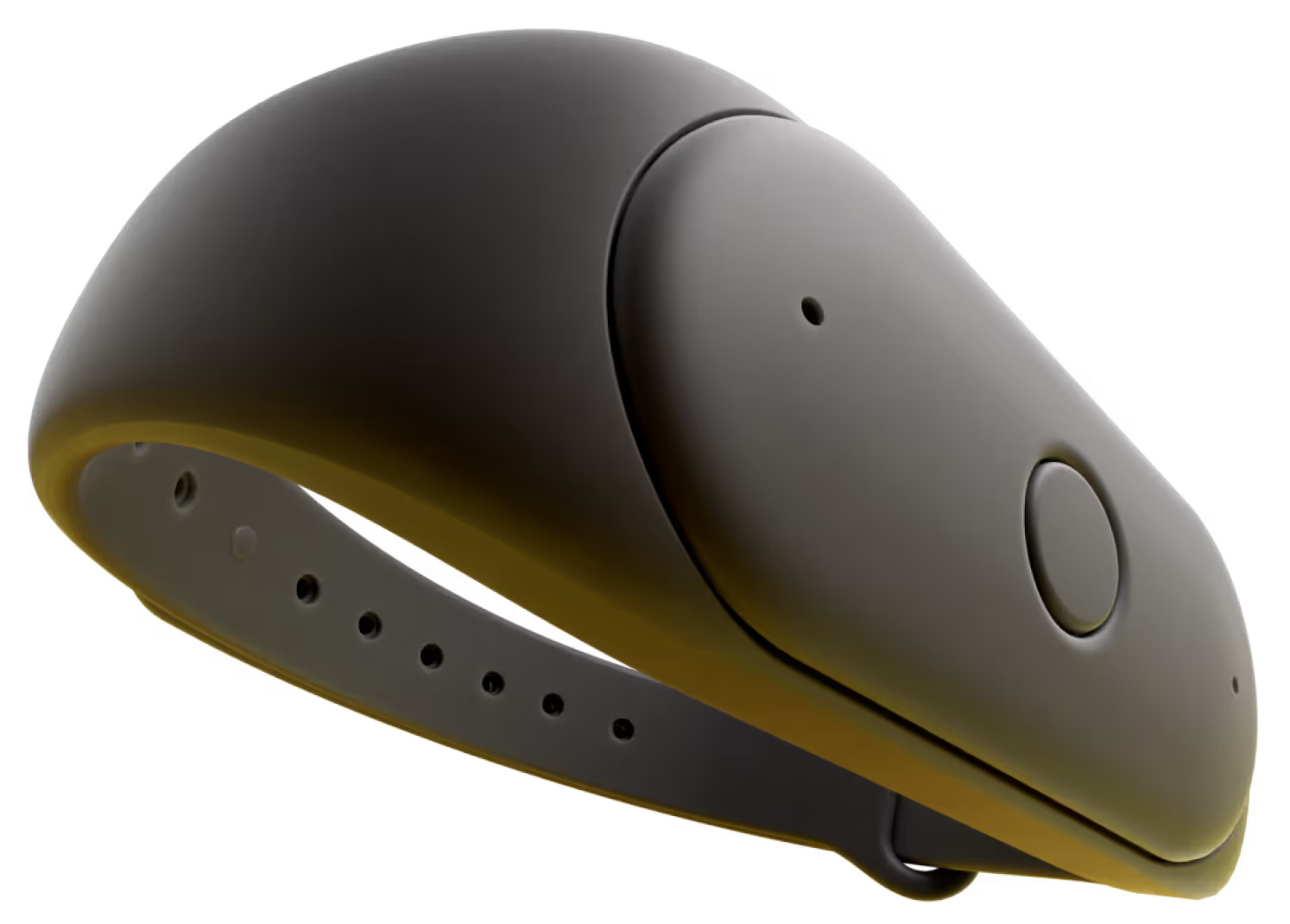
Bee, which raised $7 million in funding last year, makes two main products. The first is a standalone wristband similar to Fitbit devices, which sells for $49.99 plus a monthly subscription of $19. The second product is an app for the Apple Watch. Both products share one feature – they record practically everything they hear unless the user manually turns them off.
The main purpose of these devices is to listen to conversations and use them to create reminders and to-do lists for users. In an interview with TechCrunch last year, Zollo explained that the company hopes to create a “cloud phone” – a mirror of your phone that would give the personal Bee device access to the user’s accounts and notifications.
The vision of a “trusted companion”
According to Bee’s official website, the company believes that “everyone should have access to personal, ambient intelligence that feels less like a tool and more like a trusted companion. One that helps you reflect, remember, and move through the world more freely.” This philosophy reflects a growing trend in the development of AI assistants that aim to be more than just tools.
Bee is not the only company attempting to revolutionize the field of wearable AI devices. Companies such as Rabbit and Humane AI have also tried to create similar devices, but so far without significant success. The Humane AI Pin, for example, cost $499, which is significantly more than Bee’s $50 price point, making it more accessible to curious consumers who do not want to make a major financial commitment.
Amazon’s ambitions in wearable technology
An Amazon spokesperson confirmed to TechCrunch that Bee employees had received offers to join Amazon. This acquisition signals Amazon’s interest in developing wearable AI devices, representing a different direction from its voice-controlled home assistants, such as the Echo speaker lineup.
But Amazon is not the only company interested in this field. ChatGPT creator OpenAI is working on its own AI hardware, while Meta is integrating its AI into smart glasses. Apple is also rumored to be working on AI-powered smart glasses.
Security and privacy risks
These products pose a range of security and privacy risks, particularly because they record everything around them. Different companies have different policies regarding how voice recordings are processed, stored, and used to train AI.
In its current privacy policy, Bee states that users can delete their data at any time and that audio recordings are not saved, stored, or used to train AI. However, the app stores the data that the AI learns about the user, which is how it can function as an assistant.
The future under Amazon’s wing
Bee previously indicated that it planned to record only the voices of people who had verbally consented. The company is also working on a feature that will allow users to define boundaries – both topical and location-based – that will automatically pause the device’s learning. The company has also said that it plans to implement AI processing directly on the device, which generally poses less of a privacy risk than processing data in the cloud.
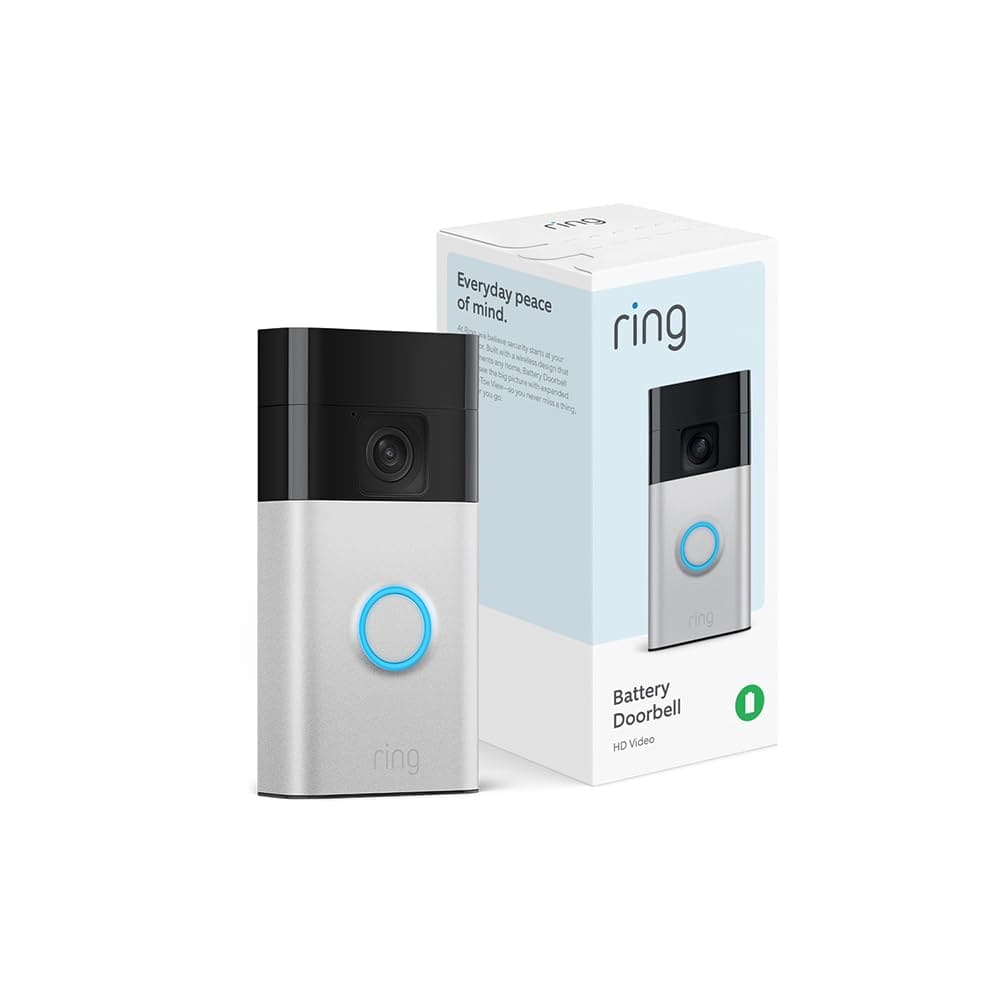
However, it is unclear whether these policies will change once Bee is integrated into Amazon – and Amazon has a mixed reputation when it comes to handling user data from its customers’ devices. In the past, Amazon shared footage from private Ring security cameras with law enforcement agencies without the owner’s consent or a court order. In 2023, Ring also settled claims brought by the Federal Trade Commission alleging that employees and contractors had broad and unrestricted access to customers’ videos.