

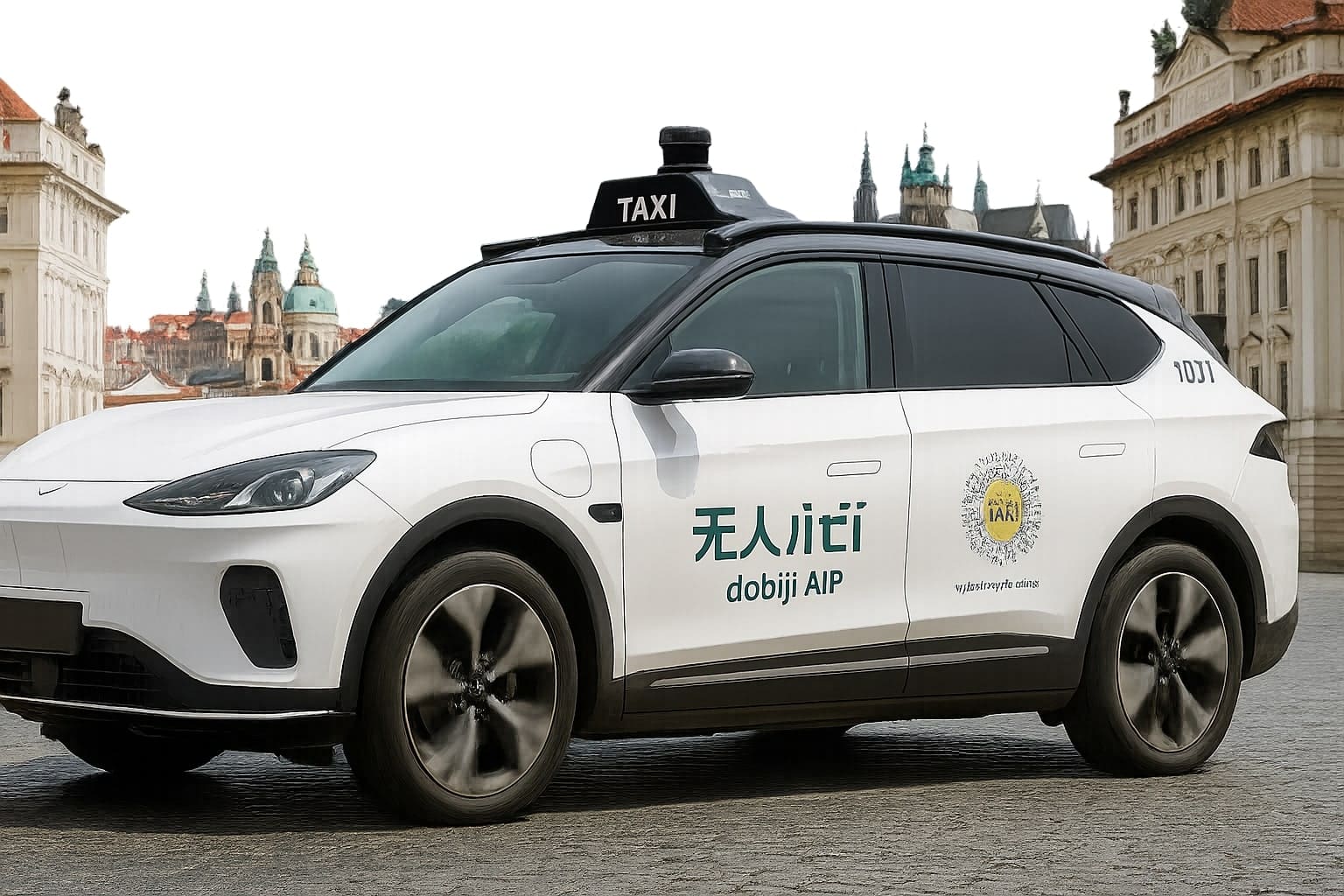
Baidu Brings Robotaxis to Europe in Partnership with Lyft
Imagine European streets soon filling with autonomous vehicles that take you to your destination without a driver—all thanks to a partnership between two giants. Lyft, the American company known for its ridesharing services, has joined forces with Chinese technology leader Baidu to bring advanced autonomous technology to Europe. This agreement promises to revolutionize transportation, with the first deployment in Germany and the United Kingdom as early as 2026, subject, of course, to regulatory approval. According to Lyft's official announcement, this marks a significant step for Baidu as it substantially expands its autonomous technology beyond China for the first time.
This partnership is not just about technology—it is about genuinely improving everyday mobility. Baidu, founded in 2000 as a search engine, has expanded into artificial intelligence and autonomous transportation. Its Apollo Go service has already provided more than 11 million rides across 15 Chinese cities, where it operates over 1,000 autonomous vehicles. Lyft, on the other hand, was founded in 2012 and operates in 11 countries and nearly 1,000 cities, offering not only ridesharing but also bicycles and scooters. Their partnership aims to deliver safer, greener, and more efficient transportation, as Robin Li, co-founder, chairman, and CEO of Baidu, emphasized: “This partnership represents our commitment to making autonomous mobility accessible worldwide while working with local partners who understand their communities.”
Partnership Details and Vehicle Deployment
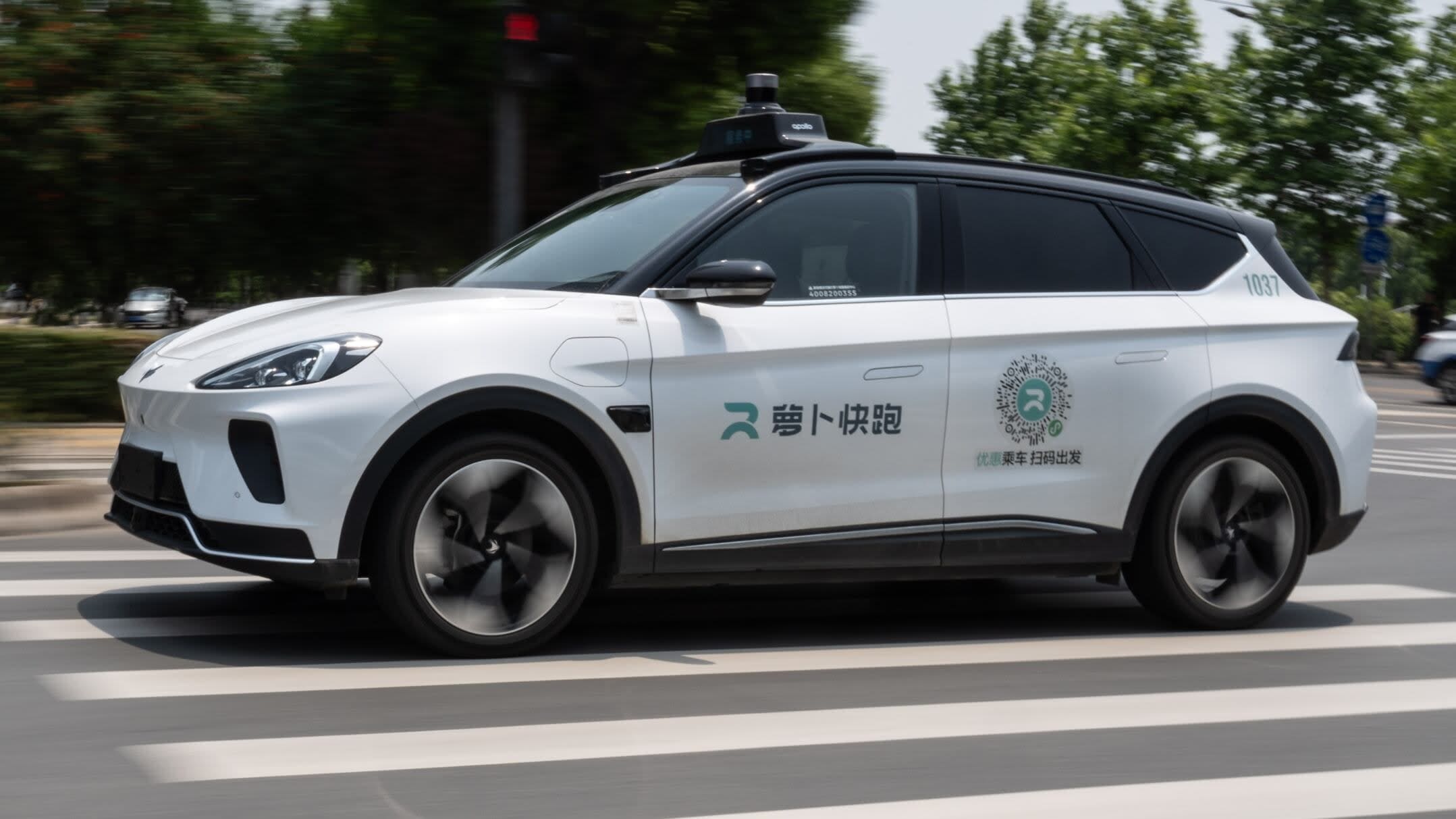
According to details from the press releases, Baidu will supply fully electric, sixth-generation RT6 autonomous vehicles specifically designed for ridesharing. These vehicles are equipped with sensors, a ten-layer safety architecture, and an intelligent interaction design. Lyft will integrate them into its platform, where riders will be able to choose between autonomous vehicles and traditional drivers—this is part of Lyft's “hybrid network” approach, in which autonomous vehicles (AVs) and human drivers coexist to provide maximum flexibility.
Baidu will provide not only the vehicles but also technical support and technology validation, while Lyft will retain full operational control. The plan is ambitious: following the initial deployment in Germany and the UK, the fleet is expected to expand to thousands of vehicles across Europe in the coming years. This move follows Lyft's recent acquisition of FREENOW, a European mobility platform operating in nine countries and more than 180 cities. FREENOW will assist with local regulations and relationships with taxi drivers, making integration into the European market easier.
Technology and Safety Come First
Baidu is drawing on its extensive experience—Apollo Go covers more than 3,000 square kilometers in Wuhan, China alone, and has undergone six generations of testing. RT6 vehicles use the ADFM (Autonomous Driving Foundation Model), which ensures a high level of safety and reliability. Both partners promise to work closely with European regulators to ensure that the vehicles meet all safety standards. As sources such as PhocusWire report, this partnership builds on Baidu's global expansion, including a recent agreement with Uber outside the US and China.
Lyft is no newcomer to autonomous vehicles. In November 2024, it entered into a partnership with Mobileye to expand its network with vehicles using Mobileye's autonomous technology. Now, with Baidu, the companies are focusing on four key areas: deploying advanced technology, scaling the fleet, strategic cooperation, and integration into the European market. This means riders will receive a consistent service with an emphasis on safety features, such as a redundant system that minimizes risks.
The Future and Impact on the European Market
This partnership is not just about technological progress—it is about changing how people get around. With more than 11 million rides recorded by Apollo Go and Lyft's presence in Europe through FREENOW, rapid scaling is expected. Sources such as the South China Morning Post emphasize that Baidu is entering the European market as the first major Chinese player in autonomous transportation, which could inspire further innovation.
Overall, this partnership between Lyft and Baidu brings an exciting outlook for Europe: from safer roads and lower emissions thanks to electric vehicles to more convenient journeys. If everything goes according to plan, you could step into an RT6 in Germany or the UK as early as 2026 and be driven to your destination without a driver. It is a step that shows how global cooperation can accelerate the arrival of the future of mobility.


