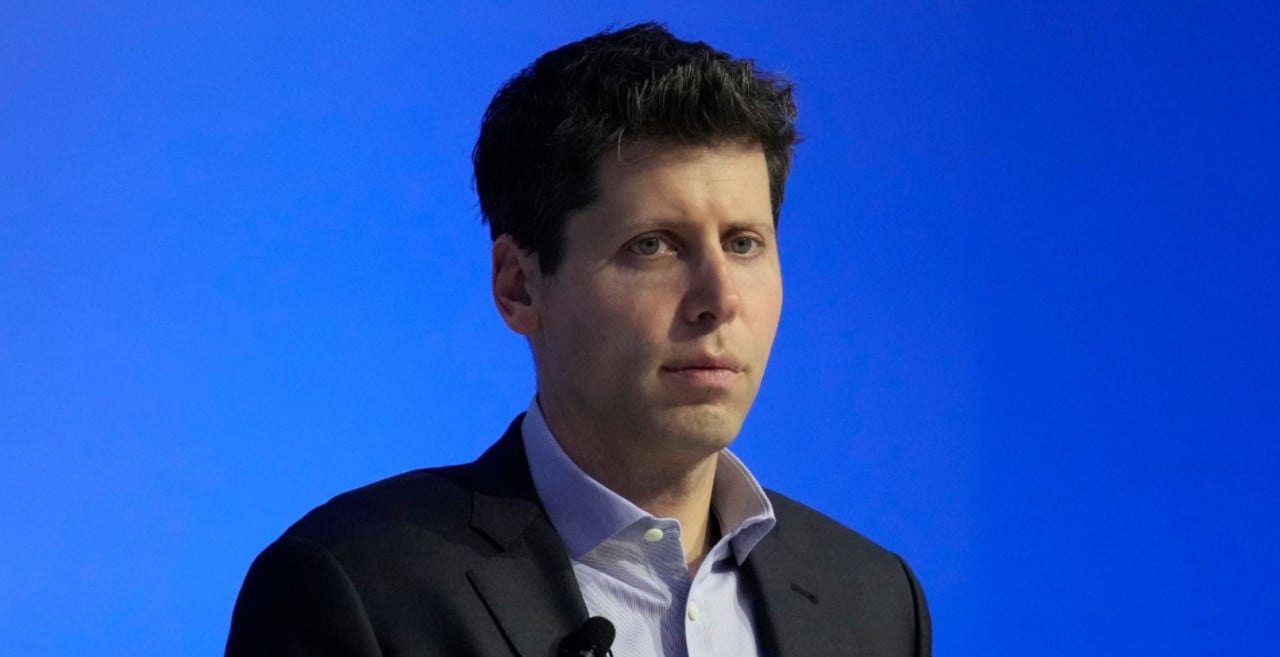
It was shortly after 3:30 in the morning when cameras captured a young man outside the home of one of the world's best-known technology executives. Moments later, an incendiary bottle was thrown. Sam Altman, CEO of OpenAI, survived, but his San Francisco residence nearly burned to the ground. And that was only the beginning.
Two nights, two attacks
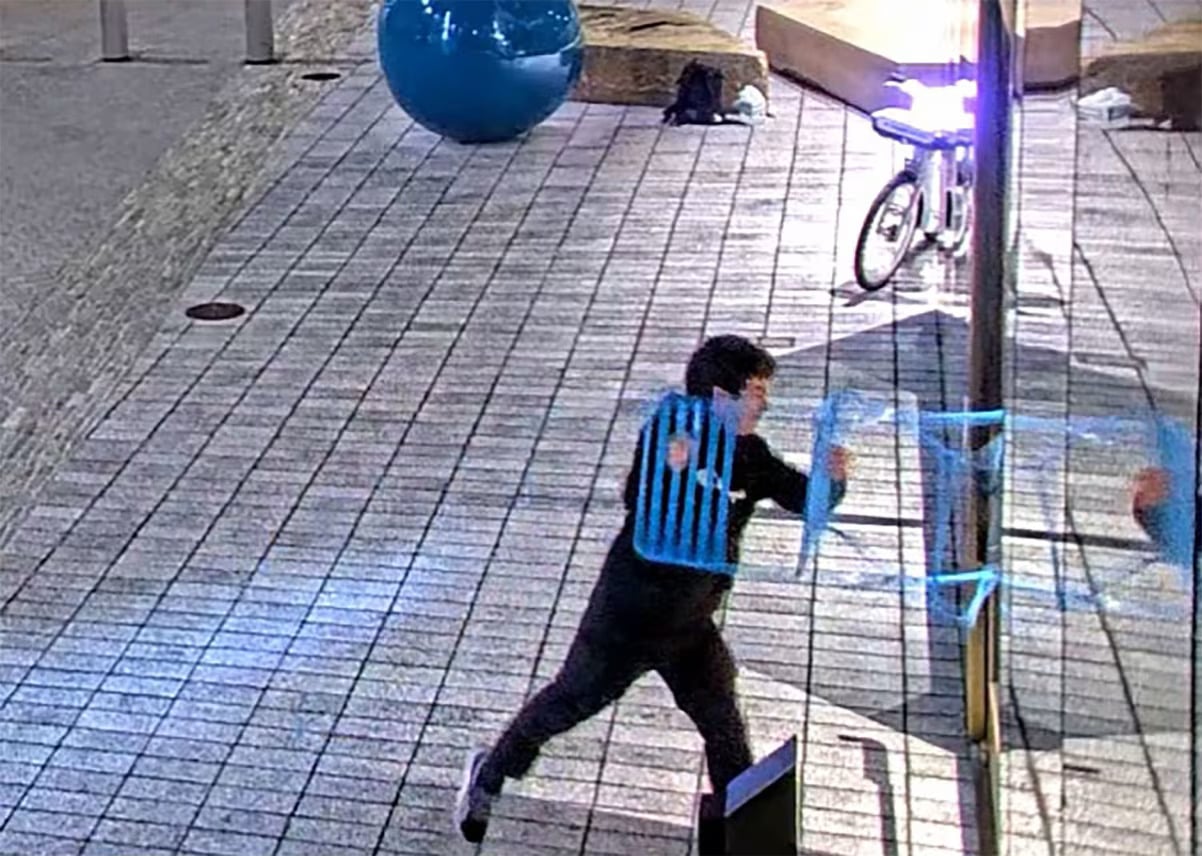
On Friday, April 11, shortly after 3:30 a.m. local time, a Molotov cocktail was thrown at Altman's home. The perpetrator, 20-year-old Daniel Moreno-Gama of Houston, Texas, threw it at the entrance gate. He then fled on foot. But he did not go home. He headed to OpenAI's nearby headquarters. There, he tried to smash the building's glass doors with a metal chair and shouted that he would set it on fire and kill everyone inside. Security personnel detained him. Police found an incendiary device, a carboy of kerosene, a lighter, and a handwritten manifesto in his possession.
That manifesto was a warning. In it, Moreno-Gama writes that he must set an example and show that he is completely sincere in his message. The document contained the names, addresses, and contact details of executives, board members, and investors at various companies developing artificial intelligence.
Two days later, a second attack occurred. Men aged 25 and 23 fired at Altman's home from a moving car. Police managed to apprehend them. It is not yet clear whether they were targeting Altman directly or merely the house as a symbol.
The story of Daniel Moreno-Gama
Moreno-Gama is known online. On his blog, he published articles about the existential threat he believes artificial intelligence poses to humanity. One post had a title that could be roughly translated as "A Few Words About Our Impending Annihilation." In online discussions, he mentioned "Luigi-ing tech CEOs," a reference to Luigi Mangione, who has been charged with the murder of UnitedHealthcare CEO Brian Thompson. That was a separate case involving the politically motivated murder of a corporate executive, but it became a certain symbol and inspiration for people who hate powerful technology and business elites.
Moreno-Gama participated in discussion forums run by groups focused on the risks of artificial intelligence. These included the server of PauseAI, a group advocating a halt to the development of advanced artificial intelligence systems. The group immediately distanced itself from the attack. "We exist to give people a peaceful and democratic way to express their concerns about artificial intelligence. This attack is the exact opposite of everything we stand for," PauseAI director Maxime Fournes told CNN.
The group Stop AI disclosed that Moreno-Gama had previously asked on its forum whether he would be banned if he talked about violence. After being told that he would, he stopped posting.
His attorney, public defender Diamond Ward, told the court that her client was experiencing an acute mental health crisis. She described the charges as excessive and said it was "at most a property crime." Moreno-Gama's family issued a statement saying that their son had recently developed mental health problems and had never hurt anyone.
Charges and trial: He faces life imprisonment
The San Francisco district attorney charged him with two counts of attempted murder and nine other crimes. He faces the possibility of life imprisonment. The federal charges include possession of an unregistered weapon and attempted destruction of property with an explosive. The judge denied his request for release on bail. District Attorney Brooke Jenkins's office argued that he posed a serious threat to public safety. The hearing was rescheduled for May 5. On Monday, the FBI raided his home in Texas.
At a press conference, Jenkins condemned what she called "incendiary rhetoric" about the impact of artificial intelligence on society. "Under no circumstances should we be in a situation where a man could have lost his life because of differing opinions," she said.
Altman's response
Just hours after the attack, Altman published a blog post. In it, he acknowledged that the fear and anxiety surrounding artificial intelligence are justified. According to him, the technology is bringing the greatest changes society has ever experienced. At the same time, he called for constructive debate and new policy measures to help people manage the economic transition. "As we have that debate, we should tone down the rhetoric and tactics and aim for fewer explosions in fewer homes, both figuratively and literally," he wrote.
His post originally linked to an investigative profile in The New Yorker that questioned his credibility and fitness to lead a company developing controversial technology. Following a wave of criticism on social media, he removed the link and wrote that he regretted connecting the two pieces.
In its statement, OpenAI emphasized that in a democracy there is no place for violence against anyone, regardless of which side of the debate they are on. "We welcome good-faith discussion," the statement said.
The attack on Altman is not an isolated incident
Three days earlier, someone fired thirteen shots at the home of Indianapolis city council member Ron Gibson during the night. A note left by the door read: "No data centers." Gibson had recently publicly supported the construction of a data center in his district. In a city of twelve thousand residents near St. Louis, voters ousted all incumbent council members last week because they had approved a data center project. Attacks on the physical infrastructure of artificial intelligence therefore cannot be attributed to a single disturbed individual.
Stanford University sociologist Doug McAdam, who studies political and social movements, says it is not unusual for such movements to "produce a radical wing." "Artificial intelligence is such a massive and threatening issue that people simply do not know what to think about it, and they have a vague fear of it," he told CNN.
Historically, such radical actions paradoxically strengthen the credibility of the more moderate wing of the same movement. Companies developing artificial intelligence will have to think seriously about how to respond to the growing tensions, McAdam warns.
Fear of artificial intelligence is growing
That same week, Stanford University released a public opinion report. 52% of people worldwide feel nervous about products and services that use artificial intelligence. In the United States, the figure is as high as 64 percent, more than ten percentage points above the global average. Nearly two-thirds of Americans believe that the technology will lead to significant job losses within twenty years.
Anthropic CEO Dario Amodei previously predicted that artificial intelligence would eliminate half of all white-collar jobs. Anthropic co-founder Jack Clark said at the Semafor World Economy conference that the technology "will truly change the world in a massive way" and that it is impossible to imagine the economy not changing substantially.
Boston College economist Aleksandar Tomic sees a parallel with the Second Industrial Revolution, which took place more than a hundred years ago. At that time, mass migration from rural areas to cities, grueling factory work, and growing inequality gave rise to communism, anarchism, and the labor movement. It took fifty years and two world wars for the situation to stabilize.
"Now it is happening much faster and on a much larger scale," says Tomic.
Cracks within OpenAI
The attack also sparked an internal debate within OpenAI itself. The company's policy chief, Chris Lehane, said that some criticisms of artificial intelligence are not "necessarily responsible" and that "such ideas have consequences." His colleague Jason Wolfe, a member of the technical team working on system safety, publicly disagreed with him.
"I think it is bad for public discourse to lump all critics of artificial intelligence together and suggest that it is inappropriate for them to express their concerns," Wolfe wrote on X.
I like Chris, but I really disagree with the positions presented in this article.
— Jason Wolfe (@w01fe) April 16, 2026
I believe our job in the AI industry isn't just to explain why AI will be good for people. I believe our job should be to earn trust by making the benefits real, being honest about risks and… https://t.co/4UEcVs0nIA
OpenAI then directed journalists to Wolfe's follow-up post, in which he clarified that after reading Lehane's full quotes, he had changed his impression of the remarks. The dispute within one of the world's most influential technology companies thus ended in a truce, at least outwardly.
Sources: bbc.com and theguardian.com