

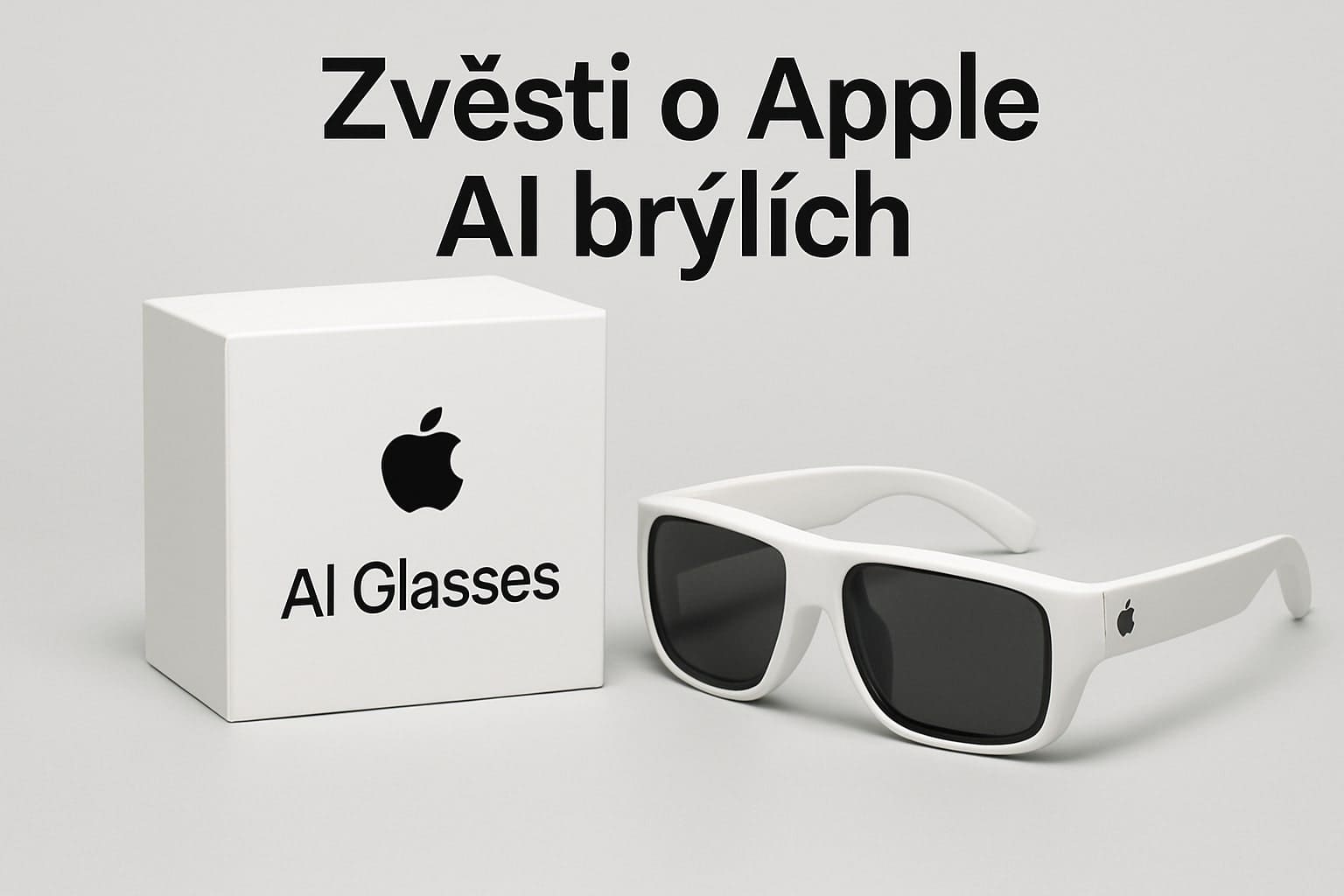
Apple Plans Smart AI Glasses for 2026 to Compete with Meta Ray-Ban
According to the latest reports, Apple is preparing to launch its first smart glasses with artificial intelligence, which are expected to debut in late 2026. These glasses are intended to compete directly with the successful Ray-Ban Meta glasses and similar products from Google. The information comes primarily from reports by Bloomberg, which suggest that Apple plans to begin mass production of prototypes by the end of 2025, allowing for thorough testing before the official market launch.
Rumored Capabilities of the Glasses
Apple's anticipated smart glasses are expected to feature built-in cameras, microphones, and speakers. Users will be able to control them with voice commands through an enhanced version of the Siri assistant. Planned features include taking photos and videos, making phone calls, playing music, navigation, providing directions, live translation, and answering questions using built-in artificial intelligence. Another interesting feature will be the ability to analyze the surrounding environment and provide contextual answers based on what the user sees.
In terms of design and positioning, the first version will more closely resemble Meta Ray-Ban glasses than full-fledged augmented reality (AR) devices. True AR features are reportedly still several years away due to technical limitations such as battery life and miniaturization. However, Apple is aiming for higher build quality compared to the competition—sources describe them as "better made" than current products on the market. The glasses are expected to be deeply integrated into the iPhone/iOS ecosystem, which could be a significant differentiator from Google or Meta products. Audio quality could meet AirPods standards. The estimated price of the glasses could be around $499 (without prescription lenses), positioning them well above basic audio wearables but significantly below premium headsets such as Vision Pro.
While Apple is following a similar path to its competitors—focusing primarily on audio/visual capture and voice assistant features—its strength lies in ecosystem integration and design quality. This first-generation product is seen as a stepping stone toward future lightweight AR glasses that could arrive in the coming years.


