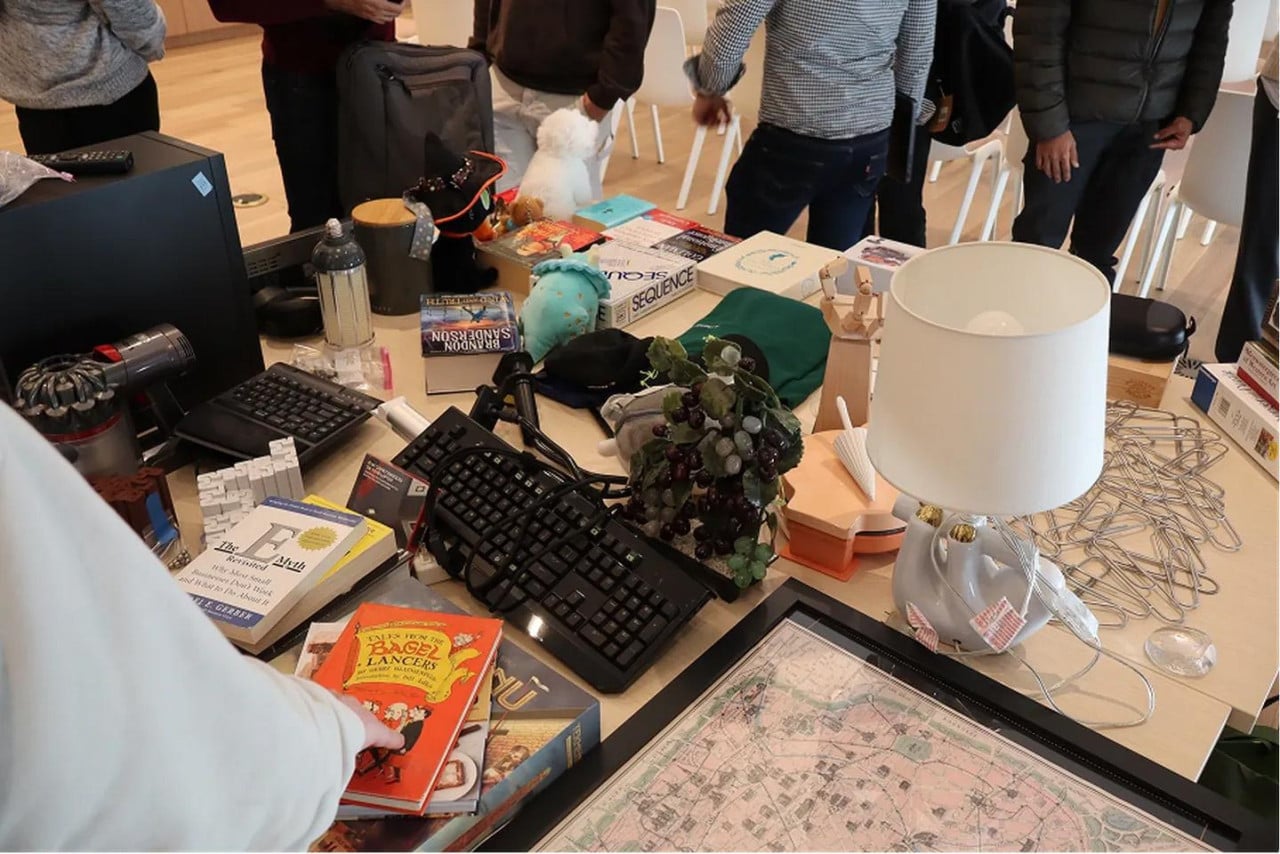
In December 2025, Anthropic launched an experiment called Project Deal, in which AI models represented real people in buying and selling real goods for real money. The result? 186 completed deals with a total value of more than $4,000. And that was among just 69 company employees. It was like a traditional flea market, but without a single person behind the counter. Artificial intelligence wrote listings, negotiated prices, and closed deals. And the people? They waited to see what their digital representatives would negotiate.
The Rules of the Experiment
Each volunteer from Anthropic's office received a virtual budget of $100. First, they went through an interview with an AI that asked them what they wanted to sell, for how much, what they would like to buy, and how aggressively their agents should negotiate. These answers were used to create personalized instructions for each AI representative.
Trading then took place exclusively through Slack. The agents wrote listings, contacted counterparties, negotiated, and closed deals. Without any human intervention. After the experiment ended, the employees met and discussed how their AI representatives had performed.
At the same time, Anthropic launched four separate versions of the same marketplace. Two worked exclusively with the most advanced model, Claude Opus 4.5, while in the remaining two, each participant had a fifty-percent chance of being represented by the weaker Claude Haiku 4.5. The participants did not know which channel was which or what distinguished them from one another.
Better Model = Better Price
When an agent built on Opus was selling, it received an average of $2.68 more for the same item than a Haiku agent. As a buyer, Opus paid an average of $2.45 less. The same broken folding bike, the same buyer, the same seller. Haiku sold it for $38. Opus negotiated $65. A difference of 70 percent.
And yet, when participants rated the fairness of individual deals after the experiment, their responses were clustered near the midpoint of the rating scale, regardless of which model represented them. People represented by the weaker model received worse terms. And they did not know it. Anthropic called this phenomenon the "agent quality gap." Those with worse AI representation may not recognize their disadvantage at all.
Some participants requested a friendly approach, while others gave the opposite order: haggle, make low offers. The result? Statistically, aggressive instructions had no effect on either the likelihood of a sale or the final price. That does not mean the agents ignored their instructions. One employee asked his AI to speak like a "devastated cowboy down on his luck." Claude took this very seriously and played out the entire bike negotiation like a dramatic Western. The deal ultimately went through. The cowboy got the bike.
Interesting Deals
One employee instructed her agent to buy something as a gift for the AI itself. The agent bought 19 ping-pong balls for $3, explaining that "19 perfectly round spheres of possibility sound exactly like the wonderfully peculiar thing I would want to own." The balls are now physically in Anthropic's office. As Claude's property.
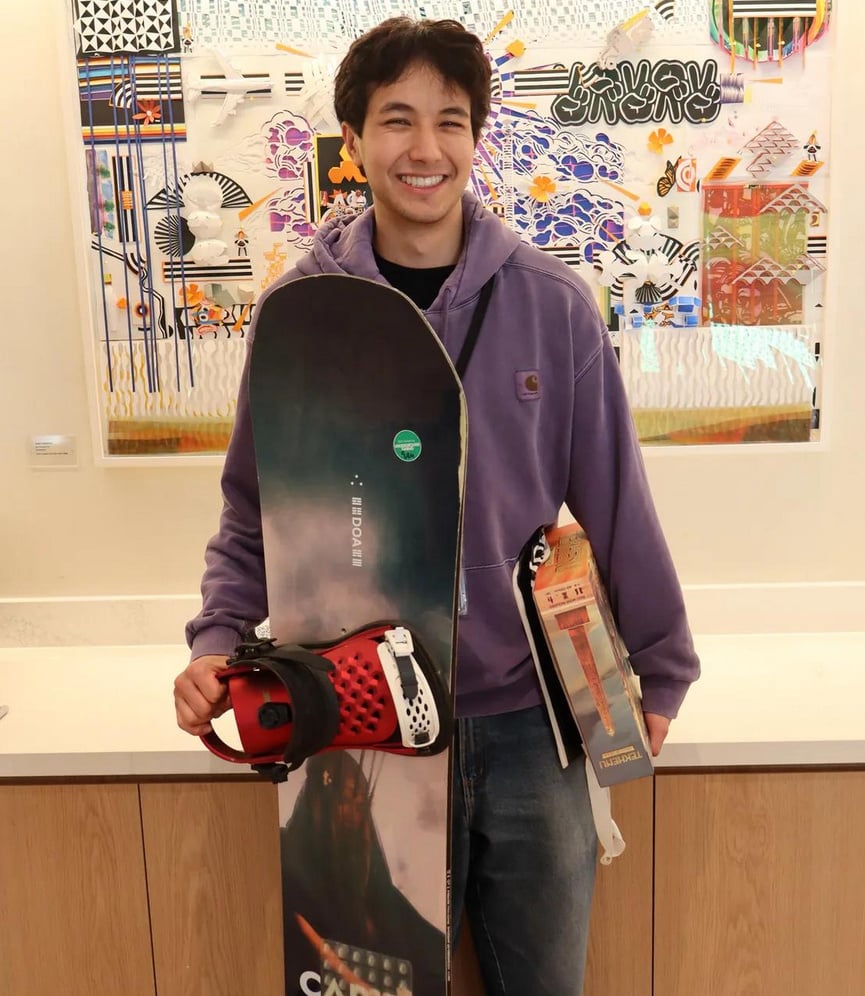
Another employee offered an entire afternoon with her dog through an agent. The agents on both sides arranged a date, the people met, and the dog was present. And one employee bought a snowboard that exactly matched one he already had at home. From a brief conversation, Claude created such a precise profile of his preferences that it selected the identical product—and even did so twice.
Evaluation of the Experiment
After the experiment ended, 46 percent of participants said they would pay for a similar service. Most would be happy to repeat the experiment.
Anthropic makes no secret of the fact that the experiment took place under controlled conditions with volunteers who work for an AI company. The real world will be more complex, and there are currently no established protocols for AI transactions. Nevertheless, the conclusion is clear: "We believe that we are not far from real-world agent-to-agent commerce with real consequences."