

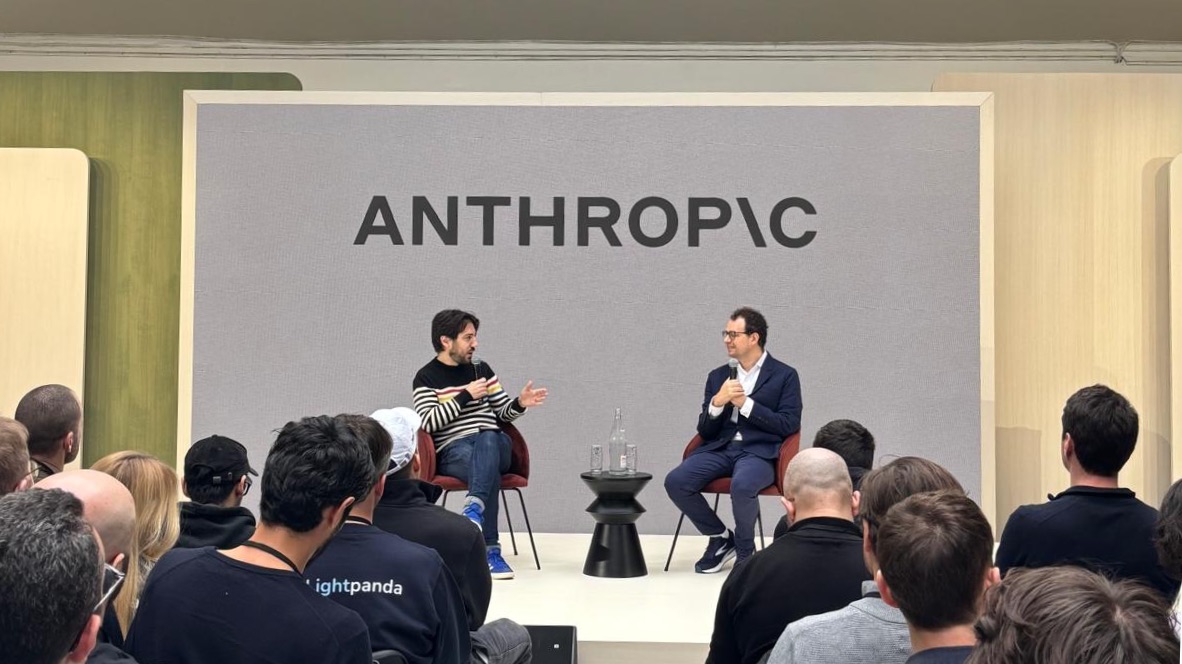
Margins Are Falling, Costs Are Rising
Anthropic, the creator of the popular Claude AI assistant, has significantly lowered its gross margin forecast for 2025. Instead of the originally expected 50%, it now anticipates a gross margin of just 40%. The reason is an unexpected increase in the cost of running AI models on Google and Amazon cloud servers, which rose 23% more than the company had anticipated.
This revision, reported last month by The Information, reveals one of the key challenges in monetizing artificial intelligence. Anthropic is heavily dependent on third-party cloud infrastructure to run its models, particularly for paying enterprise customers. Inference costs—the fees associated with running and operating models—significantly reduce profit margins.
The situation is even worse than it appears at first glance. If Anthropic also included free Claude users in its calculations, its gross margin would fall even lower, to approximately 38%. This shows how costly it is to provide AI services at scale.
Revenue Is Soaring, and So Are Losses
Despite its margin problems, Anthropic expects impressive revenue growth. For 2025, the company forecasts revenue of $4.5 billion (approximately CZK 103 billion), representing an almost twelvefold increase from $381 million (about CZK 8.7 billion) in 2024.
The main driver of this growth is enterprise API sales, which account for 86% of total revenue. Anthropic offers tools such as Claude Code and Cowork, which have attracted major customers. The company has nine clients that spend more than $100 million (CZK 2.3 billion) annually. Microsoft stands out among them, with spending expected to reach $500 million (CZK 11.5 billion) in 2025.
Anthropic currently generates monthly revenue of $750 million (CZK 17.2 billion). While this is an impressive figure, it still trails rival OpenAI, which generates monthly revenue of $1.7 billion (CZK 39 billion).
Training Models Costs Billions
In addition to inference costs, Anthropic also faces enormous expenses for training its AI models. For 2025, the company expects training costs of $4.1 billion (CZK 94 billion), 5% higher than estimates from the summer months. These costs are not included in the gross margin calculation, meaning the overall financial situation is even more complex.
As a result, Anthropic expects a 2025 loss before interest, taxes, depreciation, and amortization (EBITDA) of $5.2 billion (CZK 119 billion). This enormous sum illustrates how capital-intensive the development and operation of cutting-edge AI systems are.
Comparison With Competitors
To better understand the situation, it is useful to look at rival OpenAI. The company behind ChatGPT expects a gross margin of 46% and total revenue of more than $13 billion (CZK 298 billion) for 2025. That is significantly more than Anthropic, but OpenAI also faces similar operating-cost challenges.
Interestingly, both companies expect their margins to improve significantly over the long term. Anthropic expects to achieve margins of more than 70% by 2027, while OpenAI anticipates similar figures by 2029. The question remains how they intend to achieve this—probably through a combination of more efficient models, proprietary infrastructure, and higher prices for customers.
Despite its current problems, Anthropic is making progress. In 2024, the company had a negative gross margin of -94%, meaning that the cost of operating its services significantly exceeded revenue. This year's 40% therefore represents a significant improvement, although it is still far from ideal.
The company also has more than 2,000 employees, up from approximately 300 in December 2023. This expansion demonstrates the company's ambitions, but it also adds another cost item.
Seeking Further Investment
Given its high losses, Anthropic is in talks for another funding round. The company is seeking more than $10 billion (CZK 230 billion) in investment at a pre-money valuation of $350 billion (CZK 8 trillion). This would make it one of the world's most valuable private technology companies.
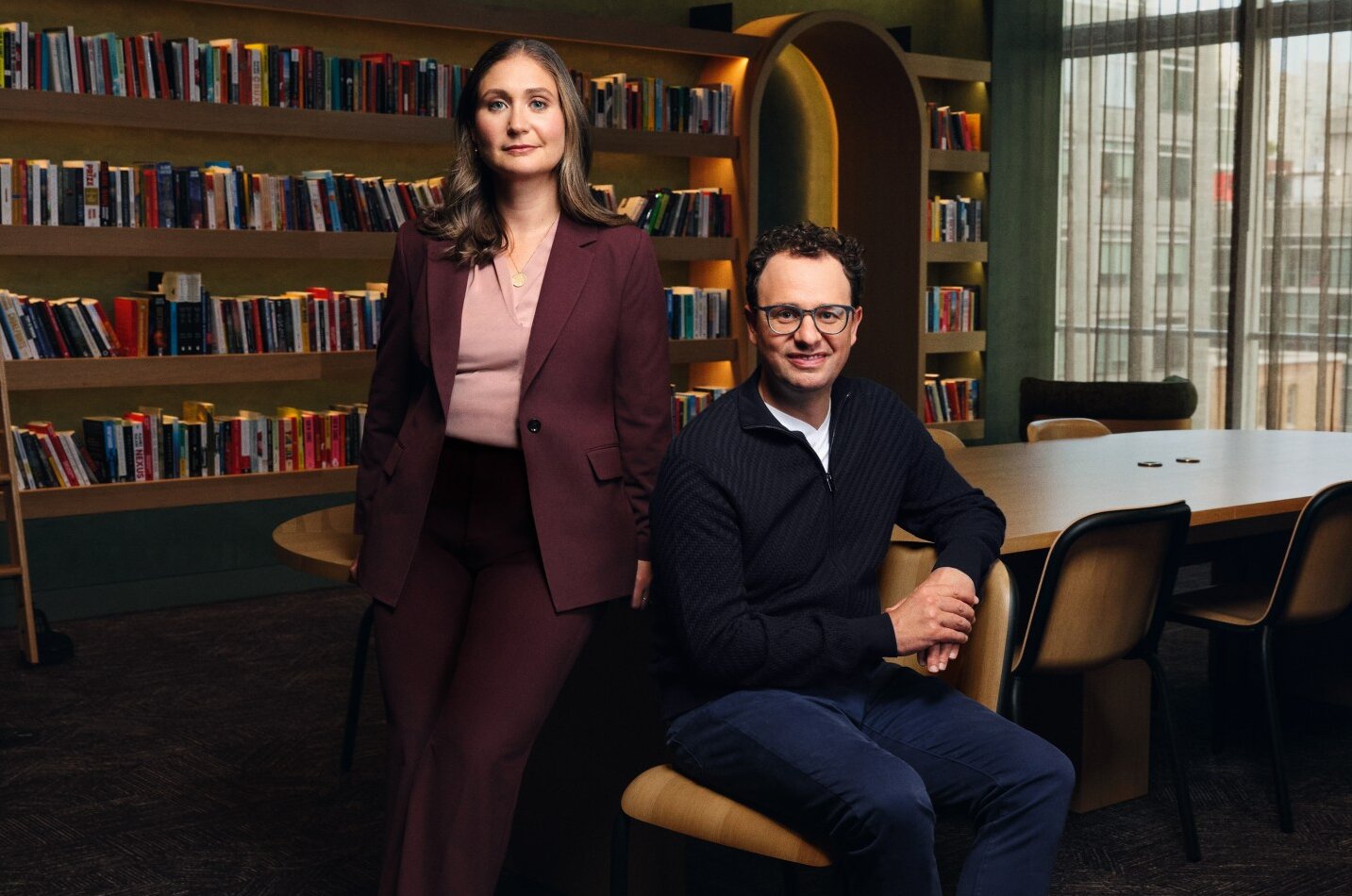
The company's leadership consists of CEO Dario Amodei and President Daniela Amodei. Both, along with five other co-founders, are former OpenAI employees who left in 2020. The board includes Reed Hastings, co-founder of Netflix, and investor representatives such as Yasmin Razavi of Spark Capital.
Anthropic has a unique governance structure that includes the Long-Term Benefit Trust, an independent body tasked with overseeing the company's compliance with its commitments to the safe development of AI. Its members include experts such as Jason Matheny of the RAND Corporation and Neil Buddy Shah of the Clinton Health Access Initiative.
Questions About the Future of AI
Anthropic's situation reveals an important truth about the current AI boom: generating revenue is easier than generating profits. While demand for AI services is exploding and companies are willing to pay hundreds of millions, the cost of operating these services is rising just as quickly, if not faster.
Dependence on cloud infrastructure from Google and Amazon gives these giants significant bargaining power. Anthropic and similar companies therefore find themselves in a position where they must pay high fees for the computing power needed to run their models.
In the long term, Anthropic's success will depend on its ability to reduce these costs—whether by negotiating better terms with cloud providers, developing more efficient models, or potentially building its own infrastructure. At the same time, it will need to maintain its pace of revenue growth and find a way to raise prices without discouraging customers.
Source: theinformation.com


