

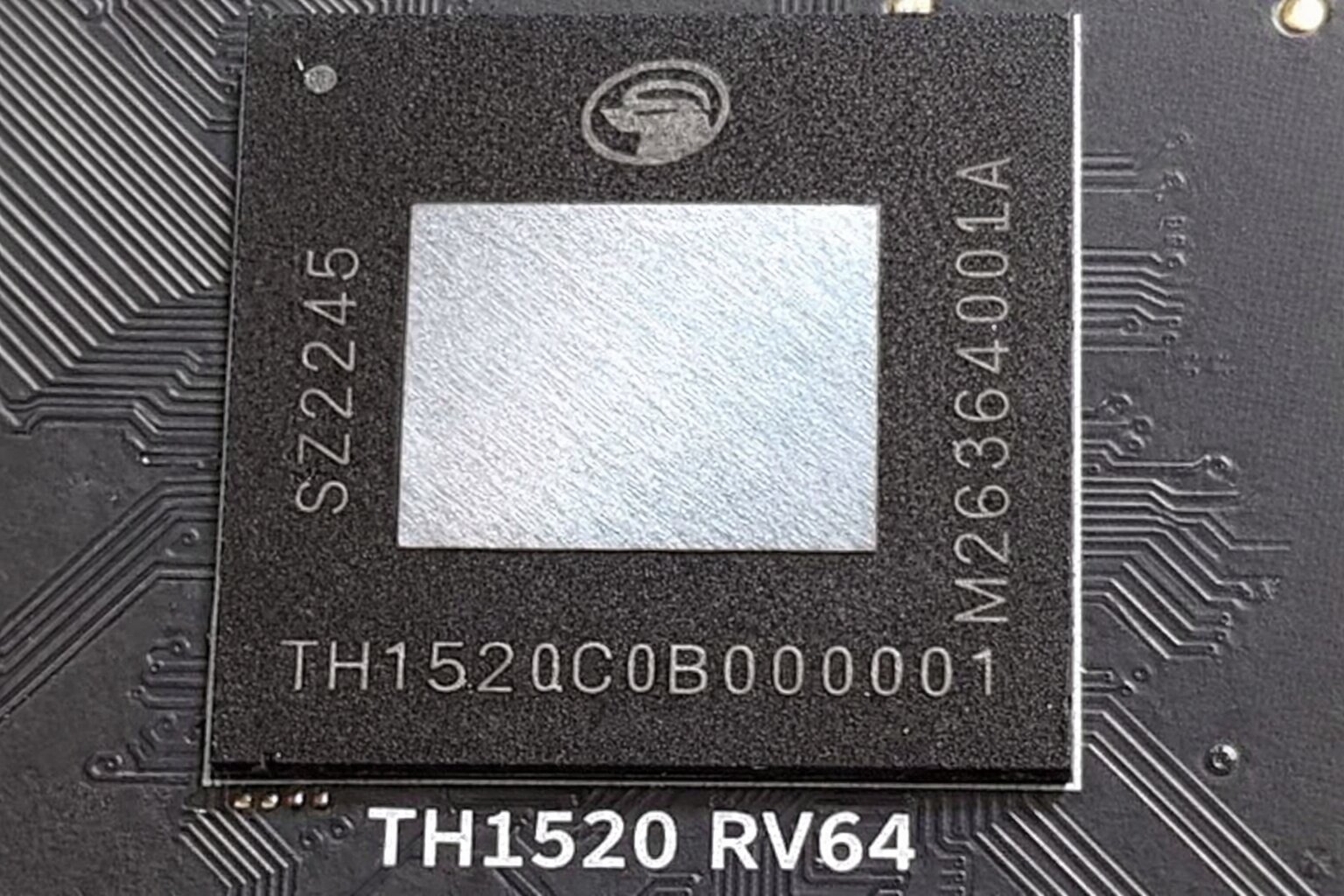
Chinese technology giant Alibaba Group Holding Ltd. is preparing to list its chip division on the stock exchange. According to information from Bloomberg News, the unit in question is T-Head, which develops chips for artificial intelligence and is seeking to compete with U.S.-based Nvidia. The move comes at a time when investors are showing enormous interest in companies developing AI accelerators.
Alibaba's American depositary receipts rose as much as 7.4% following the report. Its U.S.-listed shares gained 4.6% before the market opened, indicating strong investor interest in the plan.
What is T-Head and what does it do?
T-Head Semiconductor was established by Alibaba in September 2018 as a wholly owned division focused on semiconductor chip development. The unit develops processors for data centers, artificial intelligence chips, and Internet of Things products. Although T-Head's shipments still lag behind market leaders such as Huawei Technologies and Cambricon, sustained investment from Alibaba has helped it become a strong domestic competitor.
The company is now hiring dozens of engineers in fields ranging from computer vision AI to chip manufacturing, according to its website. There are also signs of progress—Alibaba has signed an agreement with China Unicom, China's second-largest mobile operator, to deploy its Pingtouge AI accelerators in a large new data center in northwestern China.
Restructuring ahead of the listing
As a first step, Alibaba plans to restructure the unit so that it is partially owned by employees. Only then will the company explore the possibility of an initial public offering, although the timing remains unclear. The process is still at an early stage, and the unit's potential valuation is uncertain.
For comparison, the largest publicly traded player in this segment, Cambricon Technologies Corp., has a market value of approximately CZK 2 trillion. The market debuts of rival chipmakers such as Moore Threads Technology have attracted strong investor interest, reflecting bets that Beijing will support the sector as an alternative to U.S. technology.
Alibaba bets on AI
Alibaba has long explored chip design in an effort to secure supplies of key components underpinning its data centers and AWS-like cloud services. AI chips are one part of a broader campaign aimed at becoming a leading AI company competing with firms such as OpenAI.
CEO Eddie Wu has pledged more than CZK 1.3 trillion for artificial intelligence infrastructure and development—spending that he says the company may eventually exceed. In November, Alibaba revamped its Qwen mobile app as a major step into consumer AI services. It plans to develop the app into a comprehensive personal assistant by gradually integrating individual services under the Alibaba umbrella.
In January, it connected its core online shopping and travel services with the Qwen app, taking its biggest step yet toward transforming the app into an all-purpose consumer artificial intelligence platform.
The broader context of China's chip industry
The push to develop proprietary chips mirrors projects underway at major technology companies, including Baidu Inc., which are exploring their own silicon as a replacement for restricted Nvidia chips. Baidu's in-house chip unit has hired banks for a Hong Kong initial public offering that could raise up to CZK 50 billion.
Nvidia's AI accelerators remain the gold standard for training cutting-edge models pursued by everyone from OpenAI to Anthropic. CEO Jensen Huang plans to travel to China this month as he works to reopen the market for his company's artificial intelligence chips, including the H200, the most advanced product Washington is willing to allow into China.
These initiatives have helped Alibaba shares outperform many of its competitors over the past year, although with a market value of CZK 10 trillion, it remains a distant second behind Tencent Holdings Ltd., which is valued at CZK 17.5 trillion.
Source: finance.yahoo.com


