

Amazon Vulcan: Revolutionary Robot with a Tactile Sensor Changes the Future of Warehouse Operations
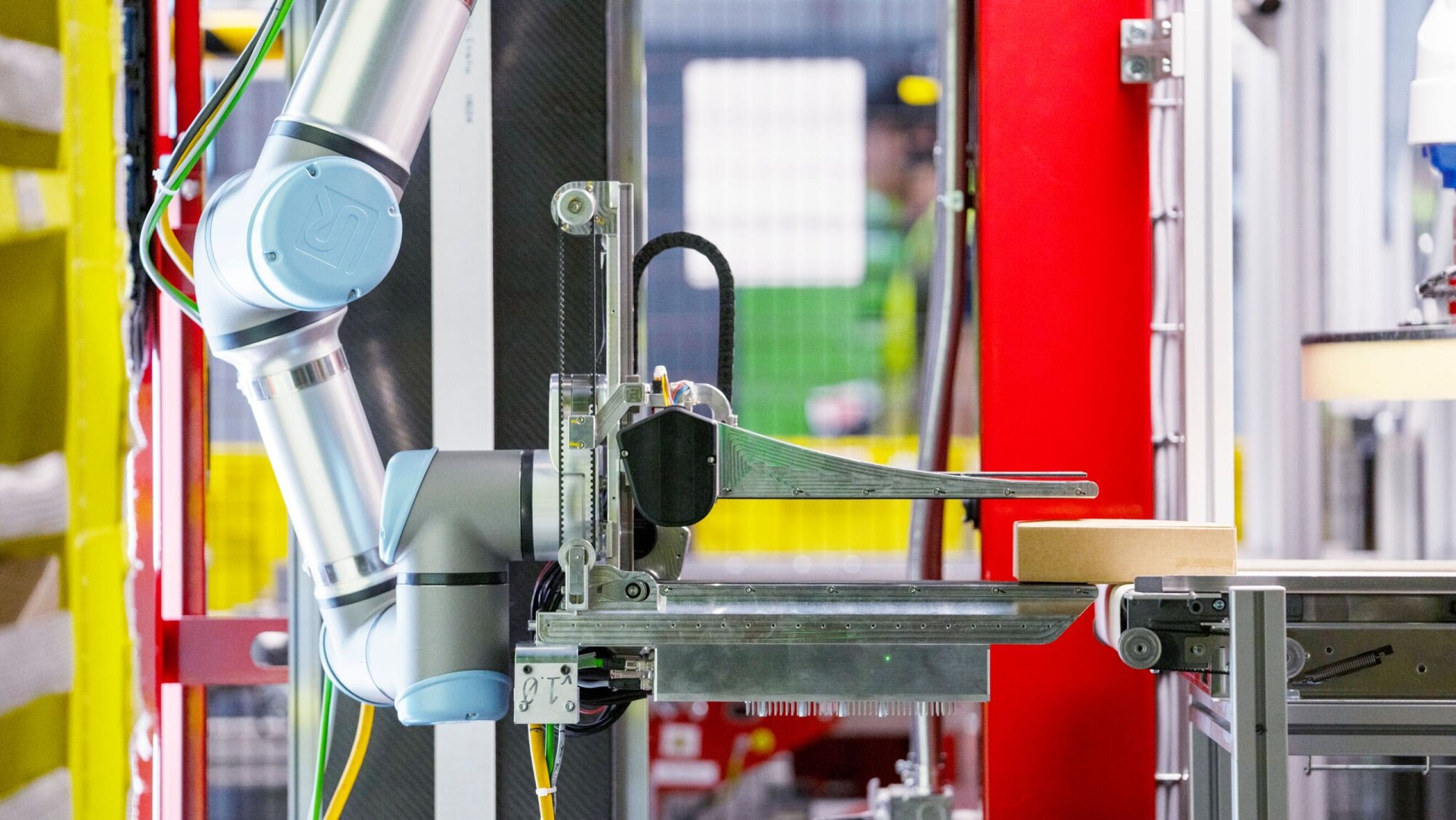
Amazon has introduced a new technology in the field of robotics with the new generation of warehouse robot Vulcan, which, for the first time in the company’s history, can sense touch similarly to human hands. This technological advancement promises significant changes in the efficiency and safety of logistics operations.
Robot Development
The Vulcan robot is equipped with an advanced tactile sensor that enables it to recognize the texture, shape, and hardness of various objects. This capability is crucial for safely handling fragile or unusual packages that previously required human intervention. The system can distinguish between different materials and adjust its gripping force according to the needs of a specific object, significantly reducing the risk of goods being damaged during warehouse operations. The development of the Vulcan robot took several years and represents the culmination of advanced research in artificial intelligence, machine learning, and robotic sensors. The Amazon Robotics engineering team focused on creating a system capable of replicating the delicacy of the human sense of touch while maintaining the speed and accuracy of automated processes. The project was created in response to the growing needs of the e-commerce sector and the necessity of increasing warehouse operation efficiency while simultaneously reducing error rates.
How Vulcan Works
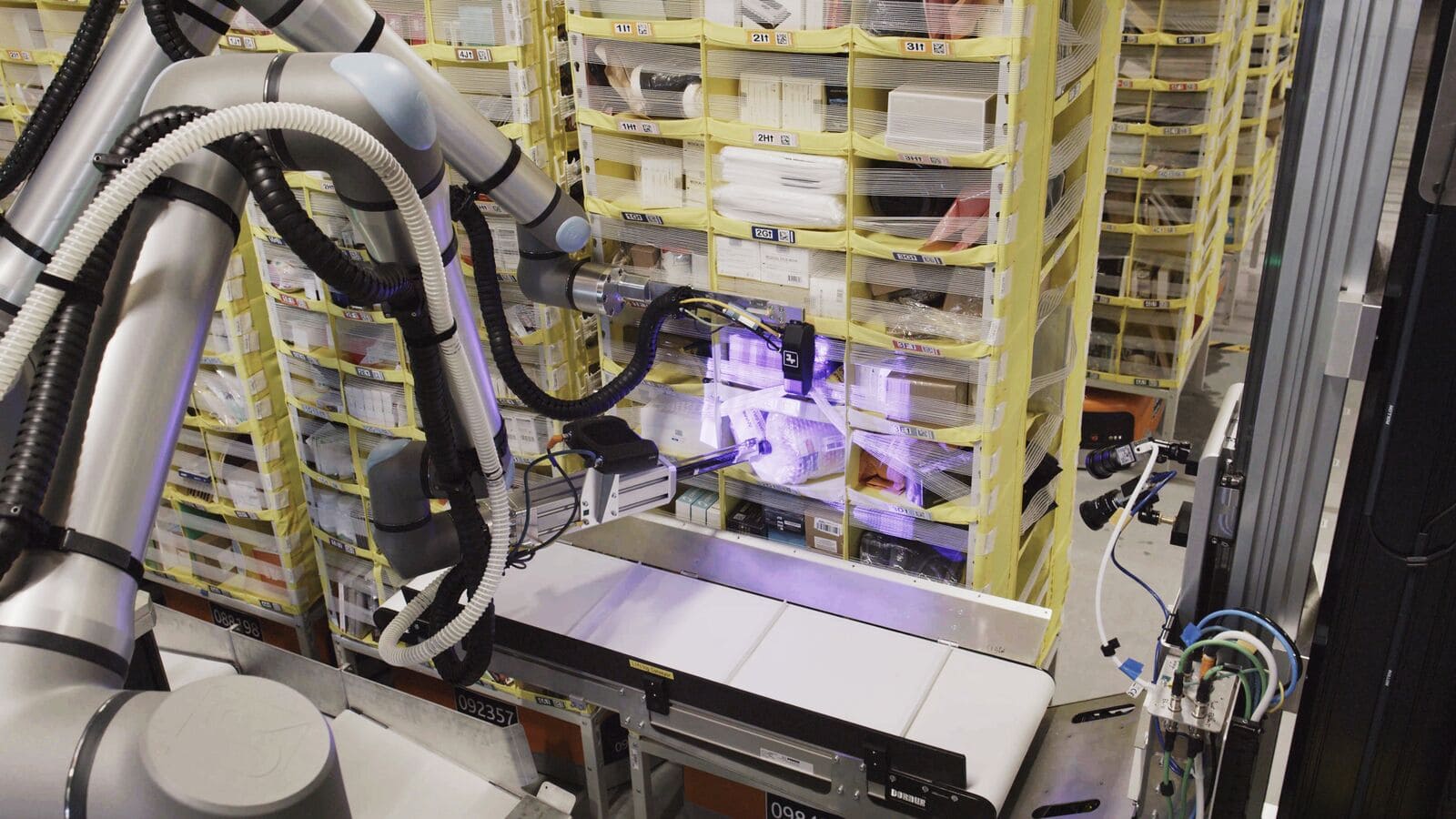
The primary objective of the Vulcan robot is to automate complex pick-and-stow tasks that previously required human intervention. The robot can independently select products from shelves, transport them safely, and store them in the correct locations within the warehouse. Thanks to its advanced tactile system, it can also handle objects with non-standard shapes or fragile materials, which previously represented a significant challenge for automated systems. The technology implemented in the Vulcan robot uses a combination of advanced machine-learning algorithms and a network of sensitive sensors distributed throughout the mechanical arm. These sensors continuously collect data on the pressure, temperature, and texture of handled objects, while the AI system evaluates the optimal way to handle each specific product in real time. The robot can thus adapt to different types of goods without the need for prior programming for each individual item.
Deployment
Implementing the Vulcan robot in Amazon’s warehouse operations represents a step toward fully automated distribution centers. The company expects this technology to bring not only increased productivity but also improved working conditions for human employees, who will be able to focus on more complex tasks requiring creativity and decision-making. The Vulcan robot is therefore not a replacement for human labor, but rather an advanced tool that expands the capabilities of current warehouse operations. Safety aspects were a key priority during the development of the Vulcan robot. The system is equipped with advanced algorithms for detecting obstacles and unexpected situations, and it can immediately interrupt its activity if a potential risk is detected. The tactile sensor also enables the robot to recognize the presence of a human hand or other objects in its working area, significantly reducing the risk of injuries when cooperating with human workers.
Future Vision
The Vulcan robot represents another step in Amazon’s long-term strategy focused on innovation in robotics and automation. The company is investing billions of dollars in the research and development of advanced technologies with the goal of transforming the entire logistics and e-commerce sector. Vulcan thus builds on successful robotic systems already implemented in warehouses around the world and brings a new dimension of capabilities to automated systems. The Vulcan robot currently operates in two Amazon distribution centers. Its first deployment took place at a fulfillment center in Spokane, Washington, USA, where the robot can handle up to 75% of all types of items stored in the warehouse. The second test site is located at a distribution center in Hamburg, Germany. According to available information, the Vulcan robot will gradually be implemented in selected Amazon distribution centers, where it will be tested under real operating conditions. The experience and data gained will be used to further improve the technology and optimize its deployment in various types of warehouse operations. This approach will enable the company to minimize risks and maximize the efficiency of the new technology before its full-scale deployment.


