

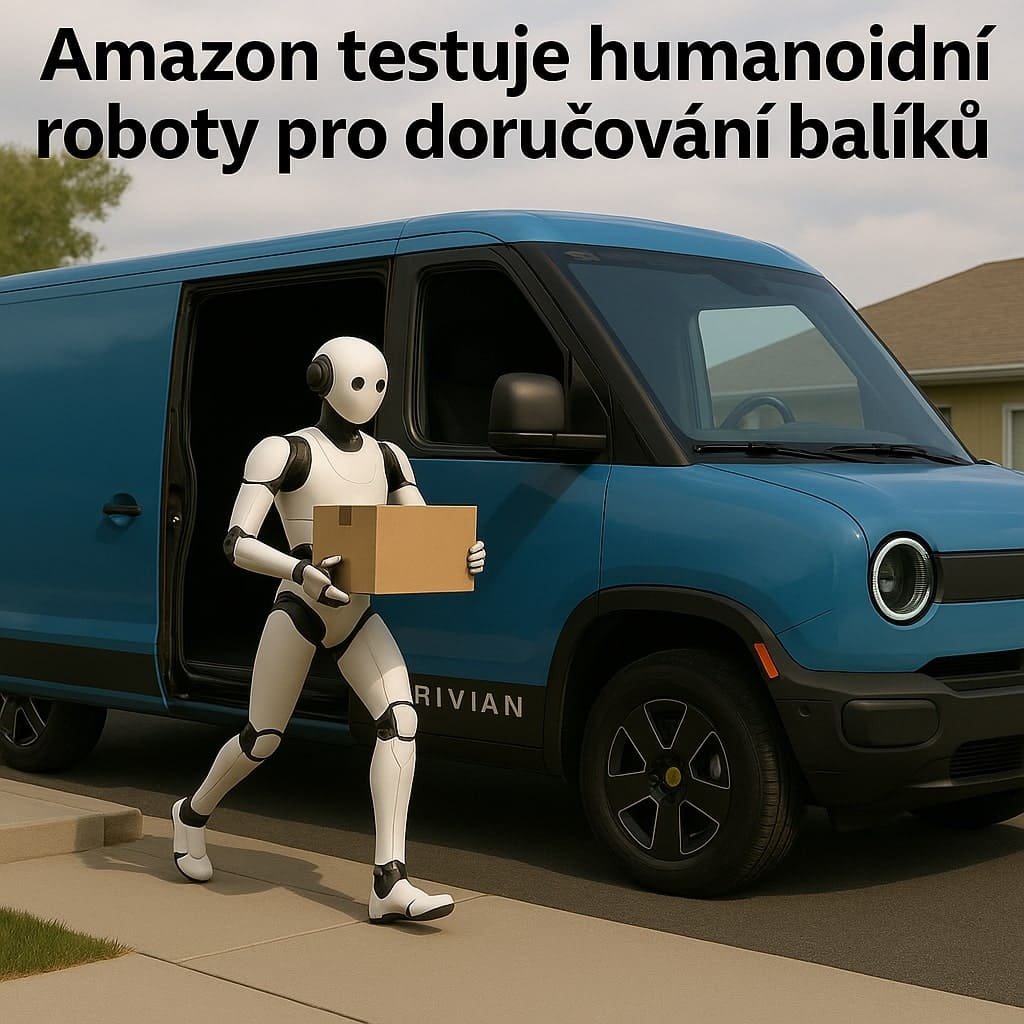
Amazon Tests Humanoid Robots for Package Delivery
Amazon is currently developing systems that would enable humanoid robots to deliver packages directly to customers' doors. This initiative was confirmed in early June 2025 and represents Amazon's first explicit effort to use humanoid robotics for package delivery, although the company already has extensive experience with purpose-built robots in its warehouses.
A Training Ground for Robots
As part of the testing program, Amazon has nearly completed construction of a so-called "humanoid park" at one of its offices in San Francisco. This indoor obstacle course was specially designed to test humanoid robots in an environment that simulates real-world delivery conditions. The facility includes a Rivian electric delivery van, where robots can practice entering and exiting the vehicle while carrying packages to customers' homes. The testing environment aims to evaluate how these humanoid robots could work with the fleet of Rivian electric delivery vans operated by Amazon.
Amazon currently operates more than 20,000 Rivian electric delivery vans and plans to expand the fleet to 100,000 vehicles by the end of the decade. Integrating humanoid robots into this system could significantly increase delivery efficiency and reduce reliance on human drivers for the final leg of delivery from the vehicle to the customer's door. This technology could be particularly useful in densely populated urban areas, where parking and access to residential buildings can be challenging for drivers.
Different Robot Options
Regarding robot technology, Amazon plans to test several models of humanoid robots, with reports specifically mentioning Unitree, a Chinese robotics company, as one of the partners in this initiative. The Unitree G1 model appears to be a key part of Amazon's testing program, likely selected for its customizable design and SDK support, which allows Amazon to integrate its own delivery software. Unitree is known for producing advanced humanoid and quadruped robots, and its G1 model offers the flexibility needed for complex tasks such as package handling and navigation in diverse environments.
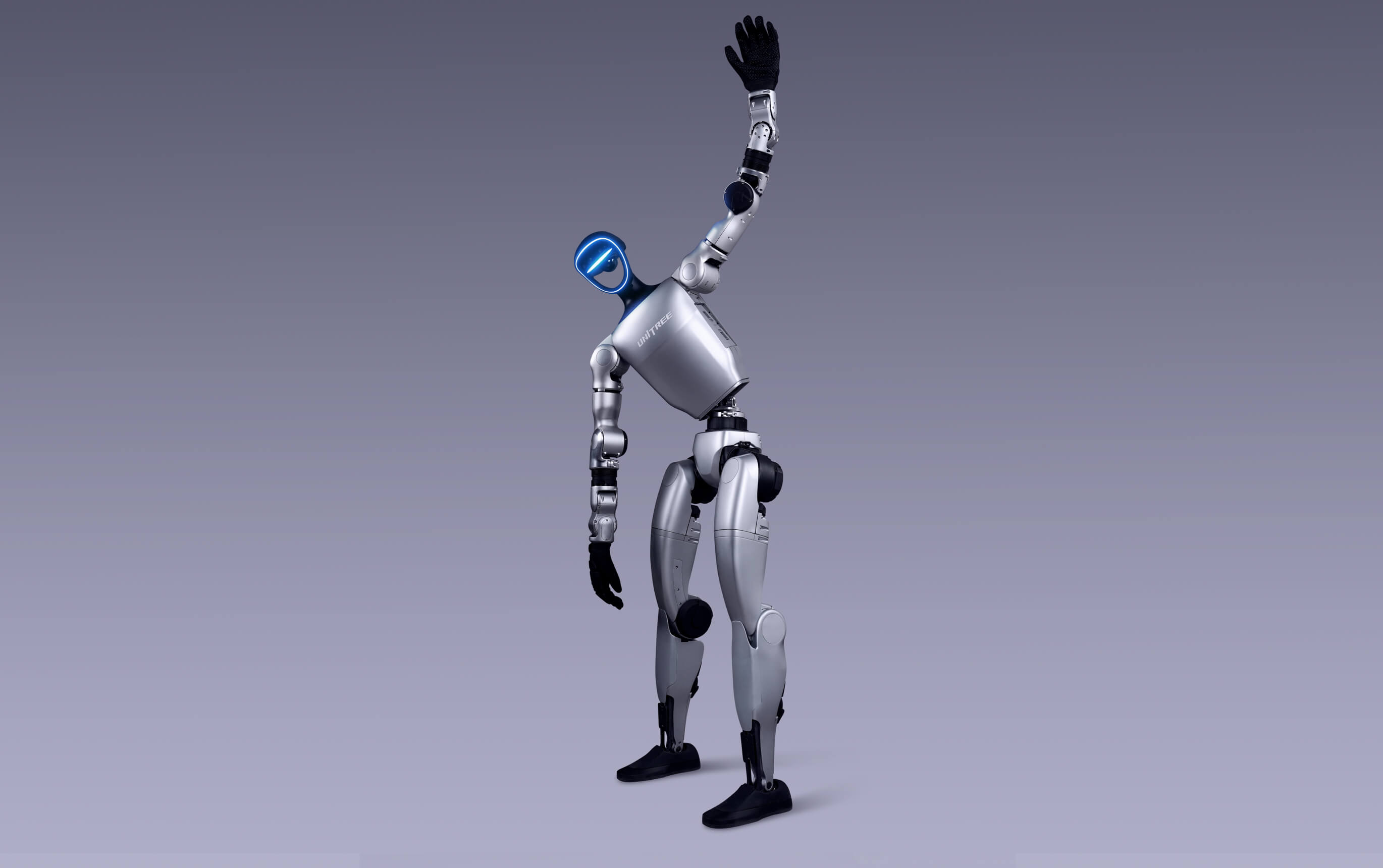
Amazon is reportedly developing its own control systems for these robots using AI models such as DeepSeek-VL2 and Alibaba's Qwen. The company is using the same artificial intelligence technology it is implementing in other areas of its business to power these delivery robots. This integration of AI technologies allows the robots to better understand and respond to complex situations that may arise during delivery, including navigating around obstacles, recognizing the correct addresses, and safely handling packages of various sizes and shapes.
Production and Deployment
Amazon's strategy is aimed at expanding robotics, as evidenced by hundreds of robotics-related job openings posted across the United States, Canada, Germany, and Luxembourg. Amazon is also separately developing humanoid robots for warehouse environments. In a recent social media post, Amazon highlighted its work on "agentic AI," which would enable warehouse robots to understand and respond to natural language commands.
The timeline for when these robots might actually begin delivering to customers remains unclear, as the technology is still in the testing phase. However, progress in this area suggests that the future of delivery could be significantly more automated and efficient. Amazon will need to address a number of technical and regulatory challenges, including ensuring robot safety in various weather conditions, navigating complex urban environments, and complying with local regulations concerning autonomous vehicles and robots in public spaces.


