

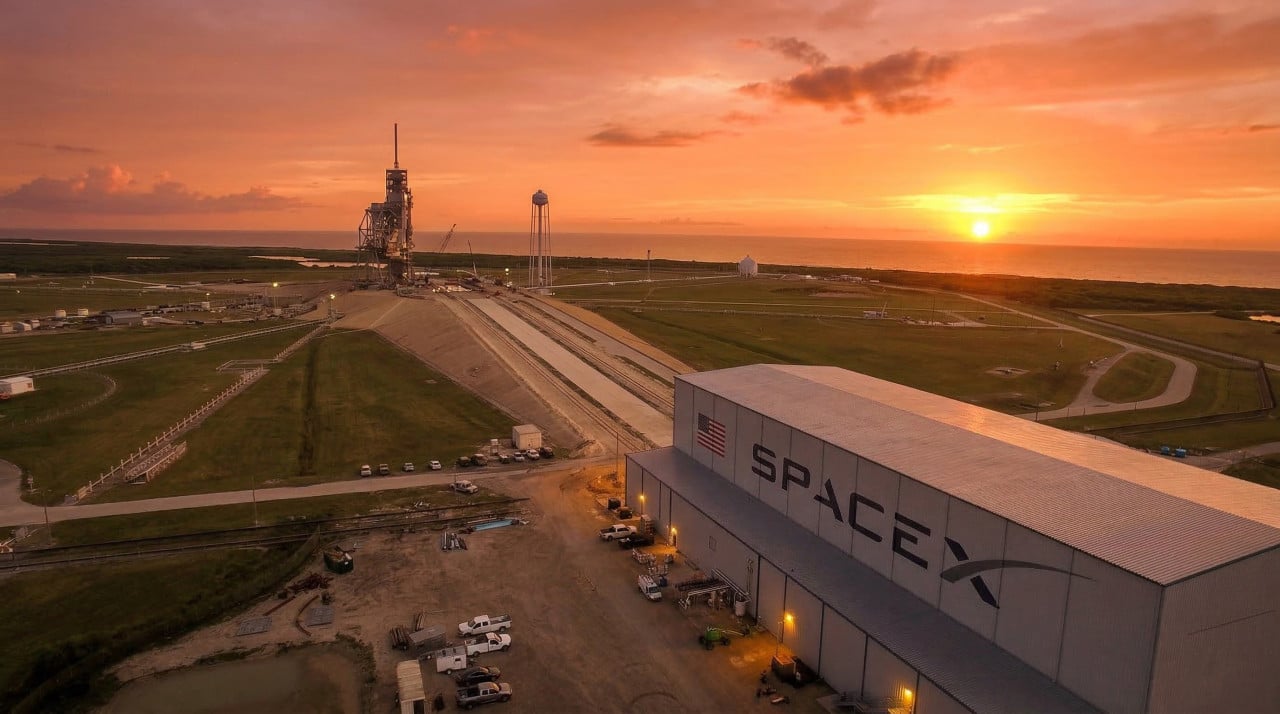
In early March, Amazon's satellite division, Amazon Leo, filed a formal complaint with the U.S. regulator FCC. Seventeen pages of text packed with technical arguments and warnings. The goal? To persuade the FCC to reject SpaceX's ambitious plan to launch up to one million satellites into low Earth orbit. But the outcome was exactly the opposite of what Amazon expected. Instead of a regulatory defeat for SpaceX, Amazon itself received a public slap in the face from the FCC chairman.
SpaceX's grand plans
In January 2026, SpaceX applied for permission to build a massive satellite network that would function as a solar-powered space data center. The entire project is intended to serve artificial intelligence. One million satellites in orbit processing data directly in space. It sounds like a fantasy from the distant future, but SpaceX is serious about it.
Amazon sees it differently. In its complaint, it described the entire project as "a lofty ambition rather than an actual plan". It cited technical shortcomings in the application, missing parameters, uncertainties regarding safety in space, and, above all, the timeline. According to Amazon, deploying one million satellites would take more than 220 years at the current rate of global launches. And that assumes every satellite launched anywhere in the world belonged exclusively to SpaceX.
The complaint went even further. Amazon warned of the risk of Kessler syndrome, a scenario in which debris and overcrowding in low Earth orbit would trigger a chain reaction and render it virtually unusable. It joined scientists and astronomers who criticize SpaceX for light pollution and environmental risks.
Amazon should clean up its own backyard
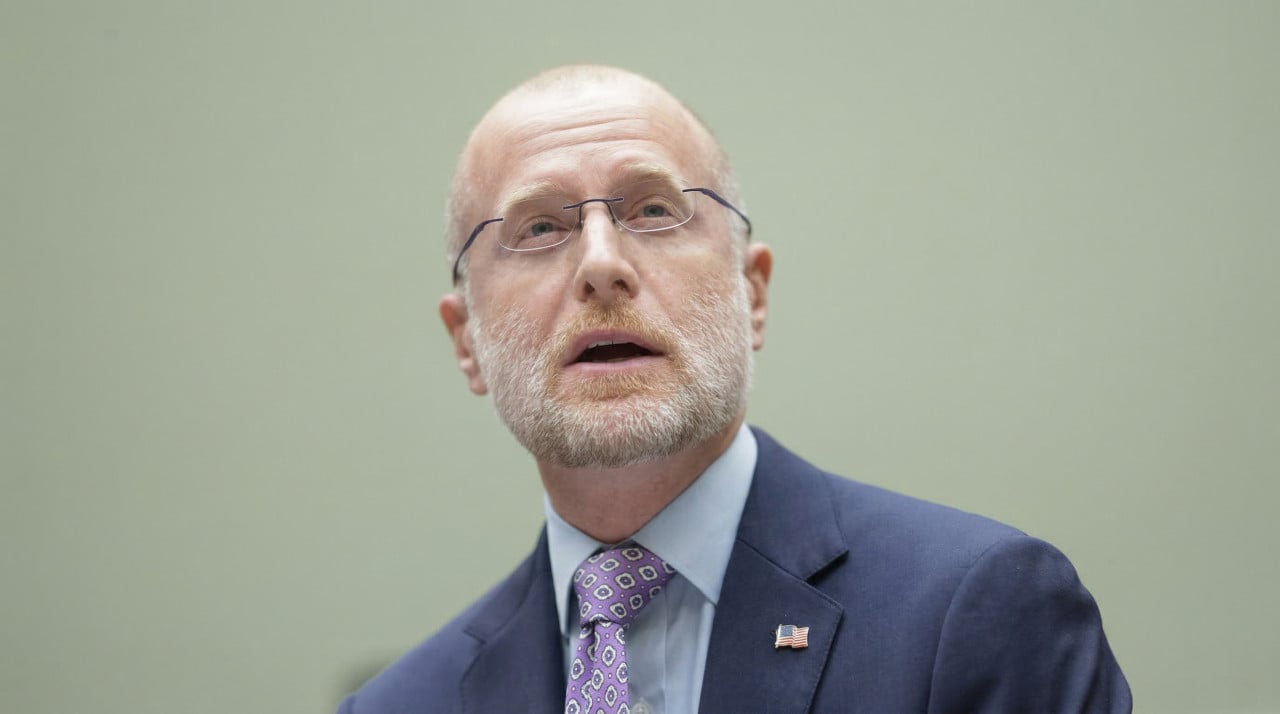
FCC Chairman Brendan Carr did not wait long. On March 11, 2026, he posted on X, quoting a report about Amazon's complaint and adding his own comment, which was blunt to the point of being rude: “Amazon should focus on the fact that it will fall roughly 1,000 satellites short of meeting its upcoming deployment milestone, rather than spending their time and resources filing petitions against companies that are putting thousands of satellites in orbit."
And that was not the end of it. In an interview with Reuters, Carr added another line that went viral: “Given the pace at which Amazon is launching satellites, I understand why they think it would take others centuries." The sarcasm was clear. And painful.
Amazon should focus on the fact that it will fall roughly 1,000 satellites short of meeting its upcoming deployment milestone, rather than spending their time and resources filing petitions against companies that are putting thousands of satellites in orbit. https://t.co/90Vn20Fq1R
— Brendan Carr (@BrendanCarrFCC) March 11, 2026
Amazon is in a weak position
Carr had a specific reason for his criticism. In January 2026, Amazon itself asked the FCC for a waiver or a 24-month deadline extension to meet its obligation to deploy approximately 1,600 internet satellites by July 2026. It cited a shortage of rockets and manufacturing problems. In other words, Amazon is behind on its own plan while attacking SpaceX for having an unrealistic one.
By then, Amazon had launched more than 200 satellites for its Leo network, formerly known as Kuiper. It has invested more than $10 billion in the project. Meanwhile, SpaceX's Starlink operates approximately 9,000 satellites and serves more than 6 million customers in over 140 countries. The comparison speaks for itself. Carr added in his interview with Reuters that he did not consider Amazon's complaint particularly promising: “I don't expect Amazon's complaint here to gain much traction."
Who is Brendan Carr, and why does he support SpaceX?
Carr is no newcomer to supporting SpaceX. He has long publicly backed Musk's company and previously accused the FCC under Joe Biden of “regulatory harassment" of SpaceX when the agency found that Starlink did not meet the requirements of a rural broadband program. At the time, Carr called the regulator's actions politically motivated.
Under his leadership, the FCC approved SpaceX's application in January 2026 to operate an additional 7,500 second-generation Starlink satellites. And in February 2026, it also approved Amazon's request to deploy 4,500 Leo satellites, which would more than double Amazon's planned constellation. Carr is therefore not an enemy of Amazon as such. He is simply and clearly running out of patience with Amazon commenting on others while falling behind itself.
What science says and what the market says
Scientists and astronomers have sided with Amazon, at least on the issue of environmental risks. They warn about light pollution that makes observing space more difficult, the risk of debris, and the possibility that one million satellites could overload low Earth orbit in a way that would take humanity generations to recover from. But the FCC has so far paid little attention to these arguments. Carr has previously mocked environmental concerns about SpaceX launches that damaged protected areas and threatened endangered animal species. His approach is pragmatic: those who launch get a say. Those who fall behind should keep quiet.
For now, the market is watching the clash between the two giants with anticipation. SpaceX dominates the space internet market in a way that Amazon is not yet able to challenge. And if the FCC does indeed set Amazon's complaint aside, SpaceX will get the green light, at least for the next step in its space data center project.
The battle for low Earth orbit
The entire dispute reveals something important. The race for low Earth orbit is becoming as cutthroat a business as any other technology market. SpaceX has the lead, the money, and the rockets. Amazon has ambition, billions of dollars, and so far only a fraction of the satellites.
Do you think SpaceX will actually launch one million satellites? Probably not, at least not in the foreseeable future. The question is who will secure regulatory room and international priority first. And in this race, Amazon has just lost an important battle without SpaceX having to do anything. All it took was for Amazon to file a complaint and for the FCC chairman to respond publicly, sarcastically, and without mercy.
Next time, Amazon may think twice before sending another seventeen pages to an agency where it does not exactly hold the strongest hand.
Additional sources: bloomberg.com and theinformation.com


