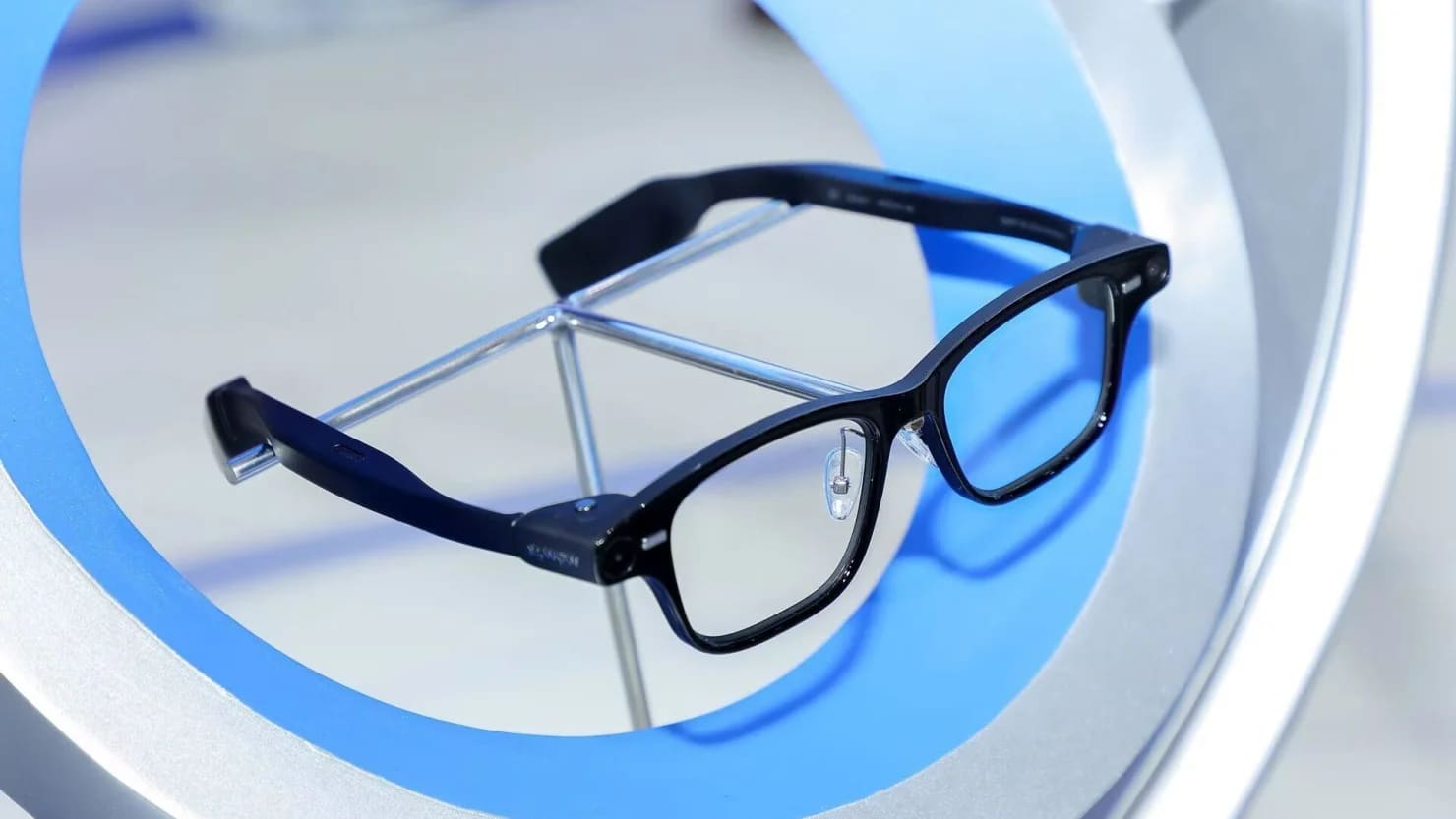
Alibaba Quark AI Glasses: A New Smart Glasses Competitor to Meta
Chinese giant Alibaba announced plans on Monday to launch the Quark AI Glasses, which will be powered by its own large language model Qwen and advanced Quark AI assistant. This move marks Alibaba's first entry into the wearable technology category and directly challenges products such as Meta's glasses developed in partnership with Ray-Ban.
The Quark AI Glasses are set to launch in the Chinese market by the end of 2025. Alibaba, headquartered in Hangzhou, is one of the leaders in China's AI sector and is aggressively developing new models that compete with Western counterparts such as OpenAI. The Quark assistant, which was updated this year, is currently available as an app in China, but the glasses are intended to help expand its distribution through hardware.
Key Features and Integration with Alibaba's Ecosystem
The Quark AI Glasses promise a range of practical features designed to make users' lives easier. These include hands-free calling, music streaming, real-time language translation, and meeting transcription. The glasses have a built-in camera, enabling features such as scanning merchants' QR codes. The hardware is built on the Qualcomm Snapdragon AR1 platform combined with a secondary low-power processor, ensuring efficient multitasking and power management. The glasses support both the Android operating system and a real-time operating system (RTOS), contributing to a lightweight design and long battery life for all-day use.
Alibaba owns a wide range of services in China, from mapping to an online travel agency. The glasses therefore integrate deeply with these platforms: users can access the Amap navigation service directly through the glasses, pay using Alipay (a service from affiliate Ant Group), or compare prices on the Taobao e-commerce platform. All of this is available through voice or touch commands, making the glasses ideal for professionals, travelers, and merchants. The focus is primarily on productivity and business applications, unlike the more entertainment-oriented approach of other devices.
How They Compare with Meta and Xiaomi
The Quark AI Glasses are a direct response to Meta's smart glasses, which were designed in partnership with Ray-Ban. While Meta focuses on entertainment, social sharing, and features such as capturing photos or videos for platforms like Facebook and Instagram, Alibaba emphasizes productivity. For example, real-time translation and meeting transcription are key for business, while integration with Alipay and Taobao enables quick payments and shopping without having to reach for a phone.
Alibaba is also competing with Chinese consumer electronics manufacturer Xiaomi, which launched its own AI glasses this year. Unlike Meta, where social connectivity is at the core, Alibaba leverages its extensive e-commerce and payment ecosystem to make the glasses function as an "agent" for everyday tasks. The Quark AI Glasses hardware, featuring the Snapdragon AR1 and Alibaba's own NPU (neural processing unit), ensures balanced performance, while Meta relies on its own custom hardware.
The company has not yet announced the price or technical specifications, such as exact battery life or availability outside China. However, with an emphasis on a lightweight design and all-day use, the glasses promise to be a practical accessory for those who want an AI assistant right on their nose.