

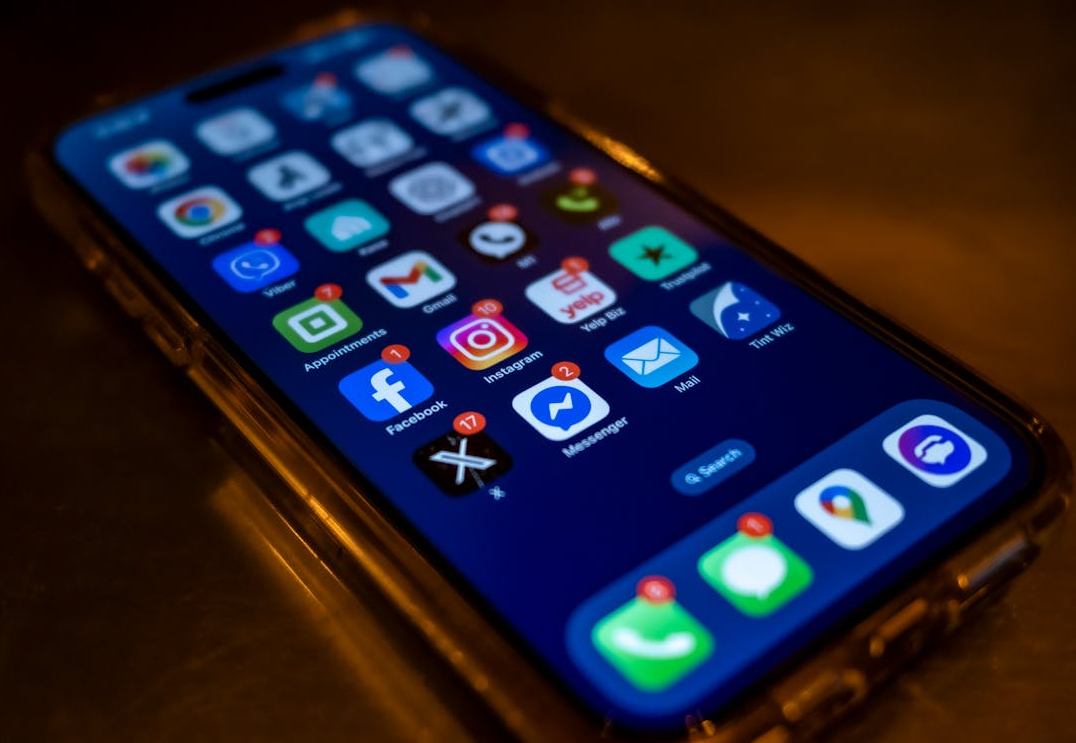
Lena runs a small cooking account on Instagram. She started during lockdown, just for friends. One recipe took off, then another. Gradually, she built a community that helped cover some of her bills. She learned when to post, which formats worked, and how a small change in the caption affected reach. She knew her feed. She knew who she was competing with.
Then 2025 arrived. And with it came something Lena describes simply: "I used to recognize my feed. Now I don't."
What Exactly Is AI Slop, and Why Should We Care?
The term "AI slop" refers to mass-generated content created by artificial intelligence that floods social media without any real value or human story behind it. This is not an isolated phenomenon. Lena watched as new accounts with polished videos, lengthy captions, and high engagement began appearing overnight. Some posted ten times a day. Others published dozens of posts. A few managed nearly a hundred Reels in a single day.
When she started looking into them, she discovered that many never responded to comments. Others recycled the same phrases across different posts. Some openly admitted what they were doing. "They don't cook," Lena says. "They upload."
And that is the heart of the problem. When content production is no longer tied to time and effort, the feed begins rewarding whoever can flood it the fastest. A person who spends hours in the kitchen, taking photos, writing, and editing simply cannot compete with an algorithm that churns out content nonstop.
MrBeast as a Cautionary Example
The situation does not affect only small creators like Lena. In its Equity podcast, TechCrunch raised an issue that resonates across the entire industry. Even MrBeast, one of the most popular YouTubers on the planet, was unable to make his media company profitable. He made money from chocolate and food products, not videos. His media business was operating at a loss, while his chocolate line generated hundreds of millions of dollars.
If MrBeast can't do it, who can?
Tools such as OpenAI's Sora or ByteDance's Chinese Seedance 2.0 make it possible to generate videos at a quality that was unimaginable just a year ago. Seedance 2.0 caused a scandal when users began sharing viral videos of Brad Pitt fighting Tom Cruise. Hollywood studios, including Netflix, immediately sent legal notices to ByteDance. ByteDance apologized and promised better safeguards. But the genie is out of the bottle.
Democratizing Creation, or the End of Authenticity?
This is where the story gets complicated. It is not black and white. AI tools genuinely make content creation accessible to people who previously lacked the resources. A small company that wants to shoot an ad for shampoo or coffee can now do so without a crew or a budget. Independent filmmakers can bring projects to life that would otherwise have remained nothing more than dreams tucked away in a drawer.
At the same time, however, the more content there is, the harder it becomes to be seen. New creators who are only beginning to build their communities are running into a wall. Algorithms prioritize volume and engagement. And in this race, AI tools have a lead that human effort cannot overcome.
Analysts at Slow Ventures, which operates a fund focused directly on creators, are betting on a different model: they support creators with a specific audience and their own products. A woodworker with a collection of chisels. A chef with their own sauce. A person backed by a real story and a real community.
Authenticity as the Last Weapon
Anthony Ha of TechCrunch puts it bluntly: the answer to the flood of AI slop will be the growing value of authenticity. People recognize emptiness. OpenAI's Sora skyrocketed after launch and then began losing users. Why? Because there is no one on the other side of the screen. No person. No story. Just content.
MrBeast is not going to sell his digital clone. He sells himself. His personality, his story, his authenticity. And that is precisely what AI cannot imitate, at least not convincingly. Lena knows that too. She has not stopped cooking. She has not stopped taking photos. But she admits that the fight is harder. The feed has changed. The rules have changed. And no one really knows how it will all turn out.
Editor Kirsten Korosec asked the question hanging in the air: Will the proportion of successful creators shrink, or will something new emerge? Not every creator can launch their own product line. Not everyone has the capital, the community, or the desire to become an entrepreneur.
Both will probably happen at once. Some creators will drop out. The strongest, those with the most authentic voices and the most loyal communities, will survive and grow stronger. And somewhere in the middle of that chaos, perhaps a new format, a new medium, or a new way to stand out from the sea of AI slop will emerge.


