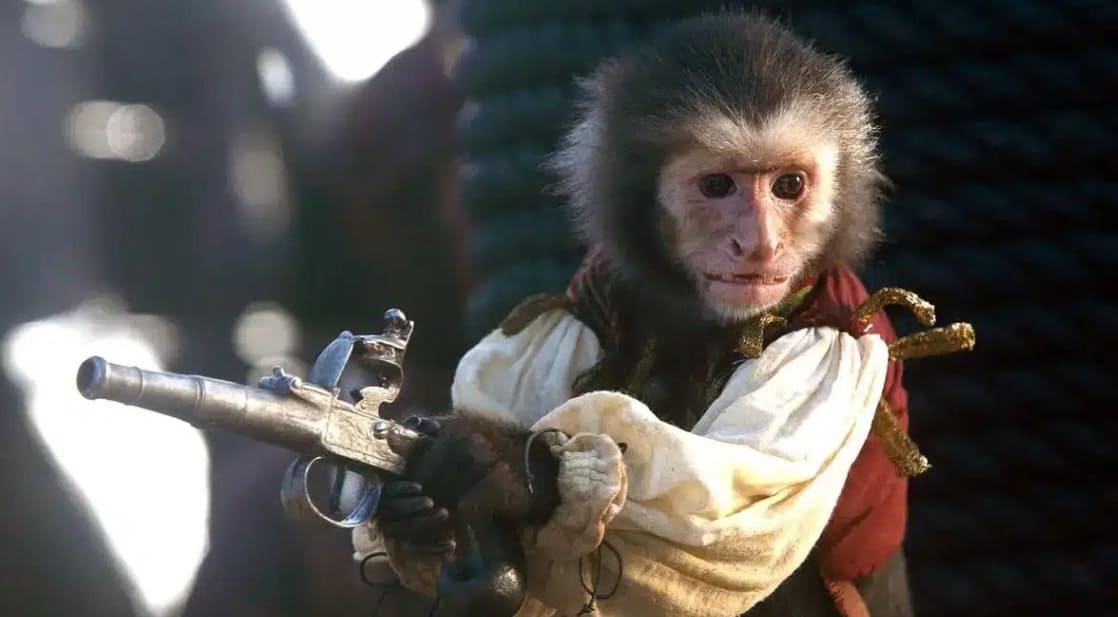
A change is taking place in the Hollywood industry that affects not only people but animals as well. Studios are increasingly relying on artificial intelligence (AI) and computer-generated imagery (CGI) to create animal performances in post-production instead of bringing real animals onto sets. This means that real animal actors, such as dogs or cats, have fewer opportunities. For example, a dog named Rocco, who appeared in shows such as “The Morning Show” and “Veronica Mars,” now struggles to find roles and occasionally earns extra money only through commercials.
This trend affects not only animals but also trainers, handlers, and animal coordinators. Karin McElhatton, owner of Studio Animal Services, said that it has already had a major impact on trainers and the entire studio animal business. These concerns are justified because the AI-generated actress Tilly Norwood was introduced this year, sparking widespread criticism in Hollywood. Companies also want to train AI to replace background actors and reduce costs.
Impact of the Pandemic and Strikes
The situation for animal actors worsened due to the COVID-19 pandemic and the 2023 Writers Guild of America strike, during which actors fought for protection from AI. Some fear that technology will be another nail in the coffin of this industry. Benay Karp, owner of Benay’s Bird & Animal Rentals in Los Angeles, found that the number of jobs had fallen to just 40% of pre-pandemic levels.
Specifically, she said that she had not received a single job for a woodpecker in three or four years, perhaps five. She has a flock of seagulls, but they have been used only once in the past year, whereas they used to work all the time. Even dogs, cats, and horses now have less work because visual effects are replacing them.
Examples from Major Films
One example is Ozu, a dog owned by director James Gunn who played Krypto in the 2025 film “Superman.” Although a real dog was used as a stand-in on set, the character in the final version was created almost entirely using CGI. This shows how CGI is taking over roles that once belonged to live animals.
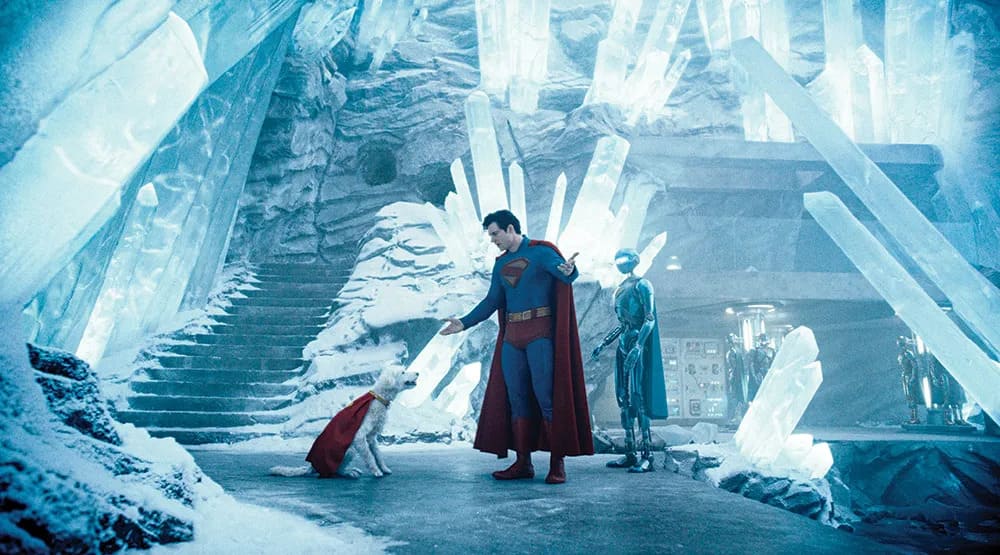
Some see this as a positive development because it could reduce cruelty to animals. Lauren Thomasson, director of film and television at People for the Ethical Treatment of Animals, said that AI can be used for good, such as ending animal suffering in the entertainment industry. On the other hand, critics argue that the genuine emotional connection real animals bring to the screen is being lost. For example, the CGI version of Krypto in “Superman” seemed lifeless.
Source: futurism.com