

AI Model in Vogue Raises Concerns About Beauty and Mental Health
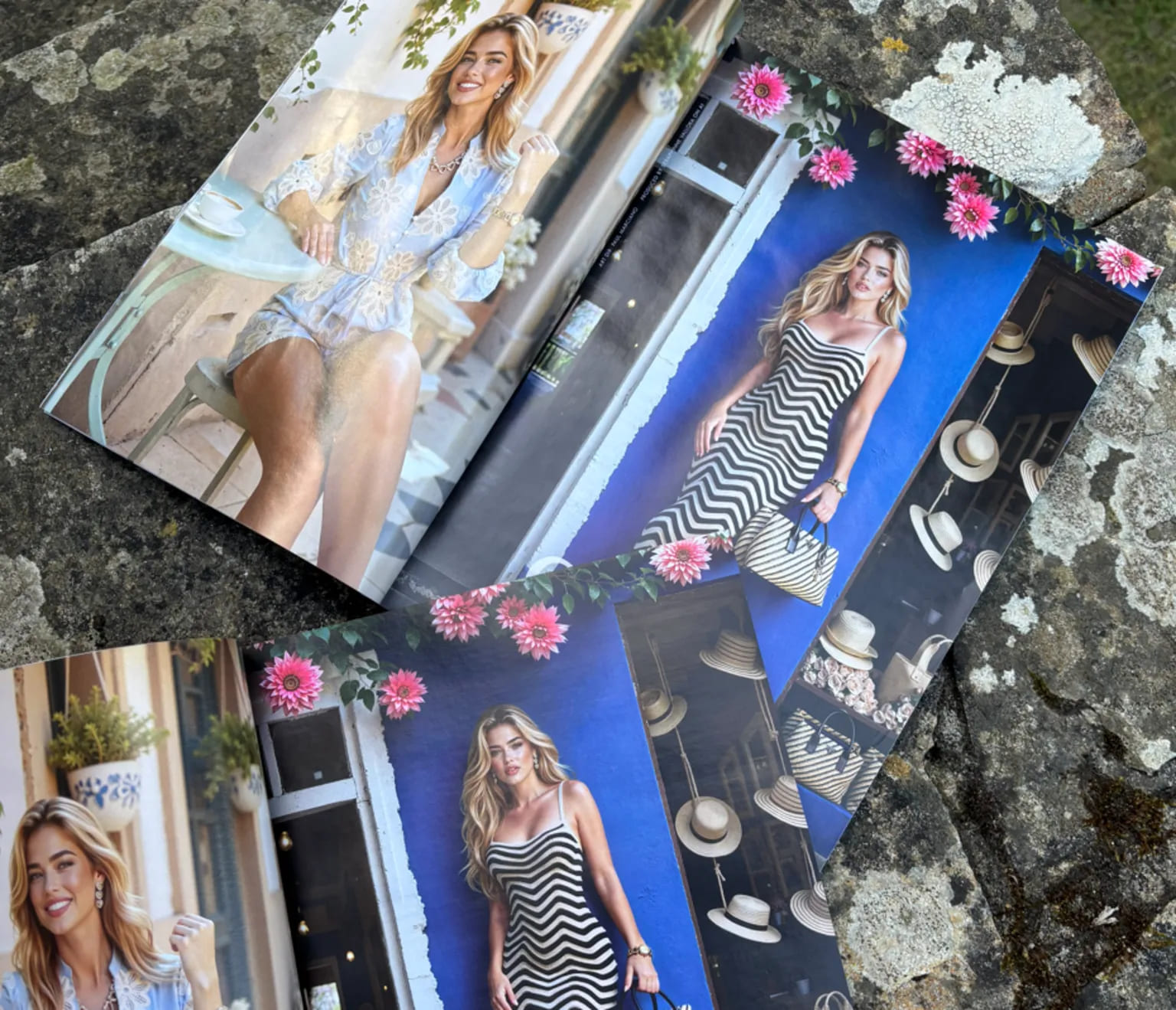
The August print issue of the prestigious magazine Vogue featured an advertisement by Guess showing a flawless blonde in a striped maxi dress and a floral jumpsuit from the summer collection. At first glance, she looks like a typical supermodel, but the small print in the corner states that she is a creation of artificial intelligence (AI). Created by Seraphinne Vallora, this ad marks the first time an AI-generated person has appeared in the magazine. Although Vogue emphasizes that it was not an editorial choice but a paid advertisement, it has nevertheless sparked a storm of debate about beauty standards, diversity in modeling, and the impact on people's mental health.
How Was This AI Model Created?
Seraphinne Vallora, founded by Valentina Gonzalez and Andreea Petrescu, was approached via Instagram by Guess co-founder Paul Marciano. The two women, both 25, met while studying architecture and have been running the company for two years. They created ten model designs, from which Marciano selected one brunette and one blonde for further development. The creation process is not simple—it takes up to a month from the initial idea to the final product and involves five employees. The price for such a service can reach the low six figures. Gonzalez explains that people often think generating AI images is easy, but it is actually a complex process that also involves hiring a real model and photographer to see how the product looks in real life.
Controversy Surrounding Beauty Standards
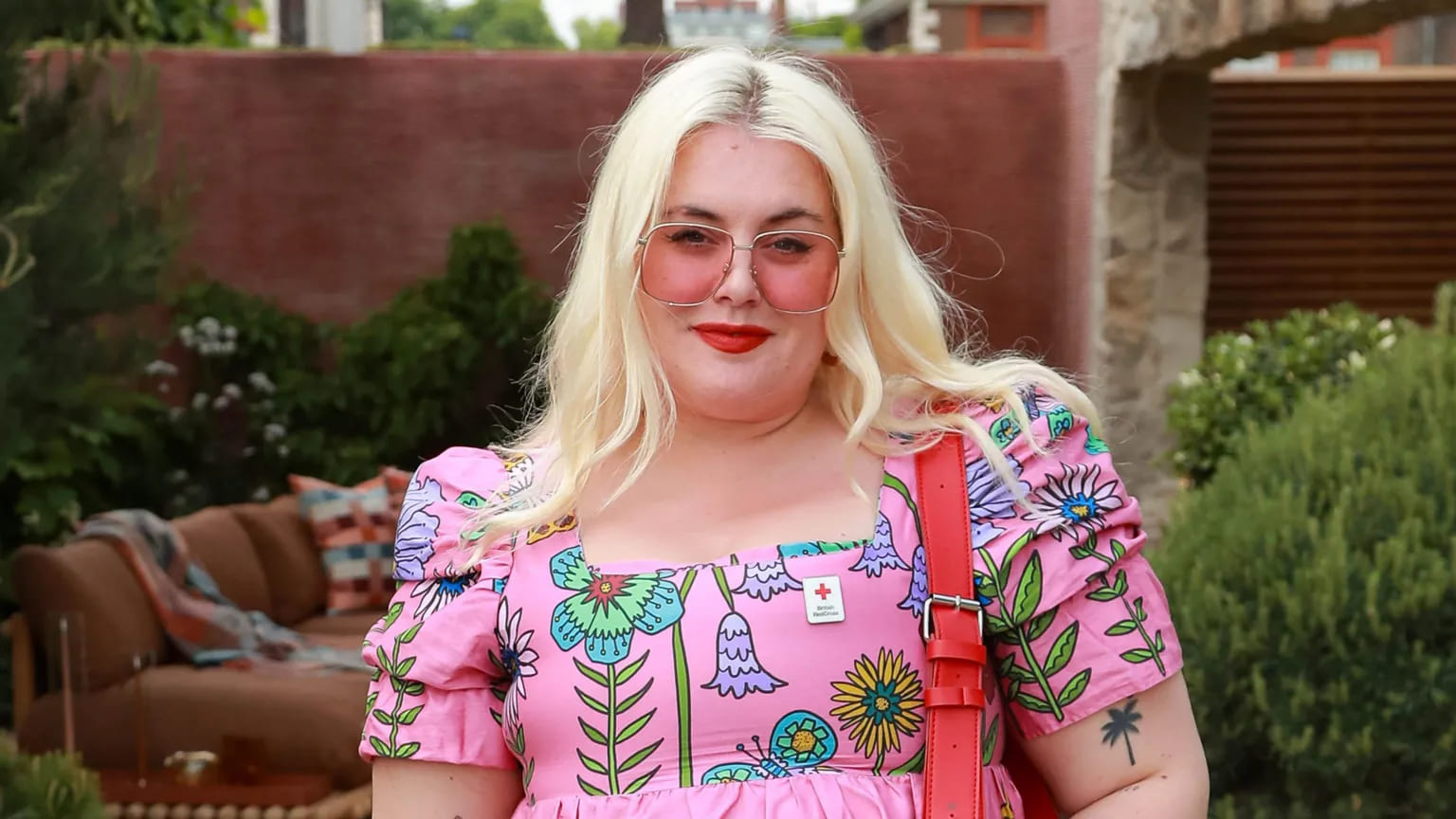
The ad prompted strong reactions. Plus-size model Felicity Hayward, who has worked in the industry for more than a decade, called the use of AI models “lazy and cheap.” According to her, it undermines years of work toward greater diversity in fashion. Progress was made in the 2010s—Valentina Sampaio became the first openly transgender model for Victoria's Secret, Halima Aden was the first hijab-wearing model in global campaigns, and brands such as Savage x Fenty featured plus-size models on the runway. Hayward warns that AI models are “another blow” that will disproportionately affect plus-size models because the technology is reportedly not yet advanced enough to create such body types.
Vanessa Longley, chief executive of the eating disorder charity Beat, considers the ad “worrying.” According to her, exposure to unrealistic images of bodies can affect how people think about their own bodies and increase the risk of eating disorders. Comments appeared on social media platforms such as X, including: “Wow! As if beauty expectations weren't unrealistic enough, now AI is here to make them impossible. Even models can't compete.”
Industry Reactions
Former model and current tech entrepreneur Sinead Bovell, who wrote for Vogue five years ago about the risks of AI in modeling, describes the lack of transparency as “extremely problematic.” In the UK, labeling AI content is not mandatory, and although Guess did so, the notice is small and easy to miss. Bovell points out that young girls are undergoing plastic surgery to look like face filters, and now entirely artificial people are being introduced.
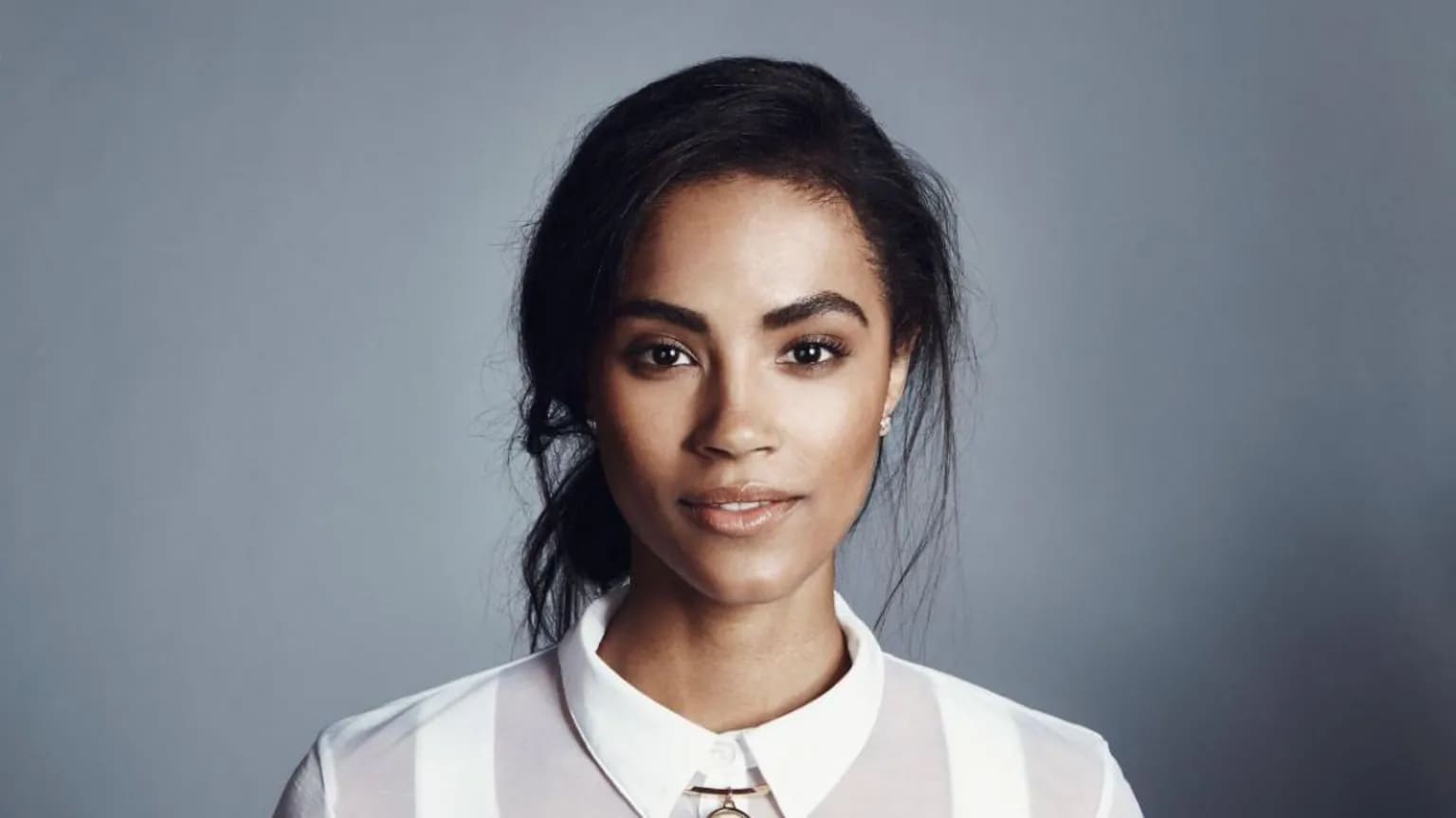
Sara Ziff, a former model and founder of the Model Alliance, sees the Guess campaign as an act of desperation and an attempt to cut costs rather than an innovation. According to her, AI is not necessarily exploitative, but it often comes at the expense of people—a photo shoot involves not only a model and a photographer, but an entire team. Seraphinne Vallora defends itself by saying that its technology is complementary rather than a replacement and that it creates jobs. However, its website lists benefits such as savings on expensive sets, makeup artists, location rentals, photographers, travel expenses, and hiring models.
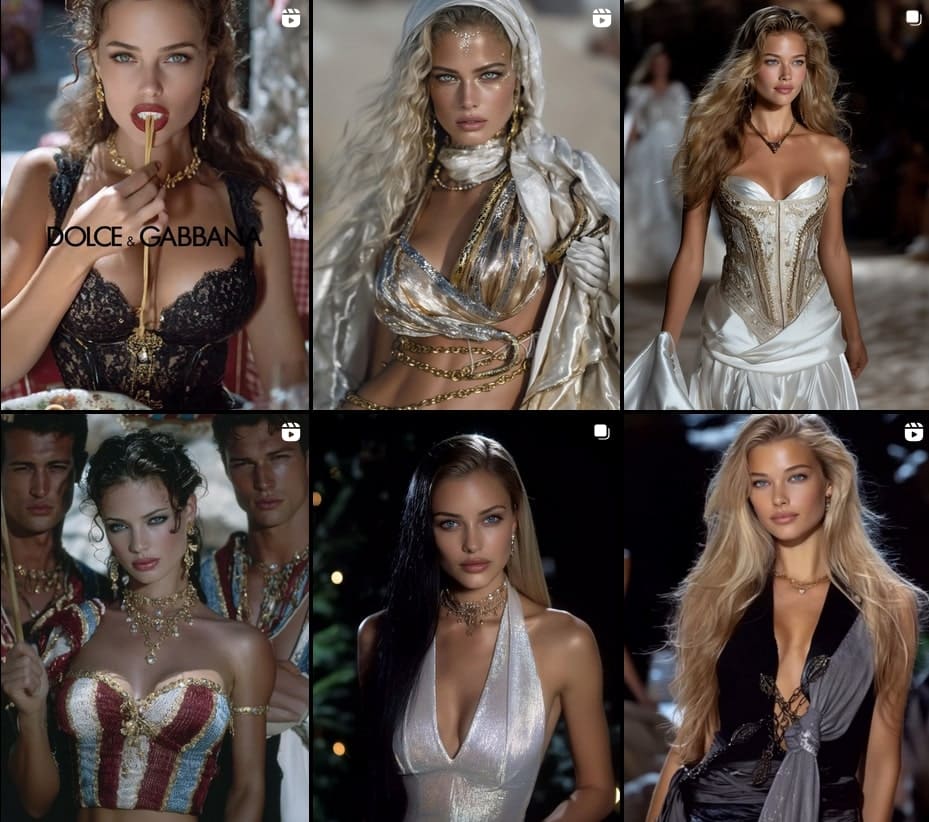
Other related information points to a broader trend: Dove's 2024 campaign revealed bias in AI, with the generator creating only young, slim, white women with blonde hair and blue eyes—similar to the model in the Guess ad. Brands such as H&M use “digital twins” (AI clones of real models) in marketing. Seraphinne Vallora offers models the opportunity to create their own AI twin, which could help resolve scheduling conflicts, but questions remain regarding image rights and the deletion of these twins.
Where Will This Lead?
Gonzalez and Petrescu believe that as the technology improves, they will be even more sought after by brands that want to do things differently. Bovell predicts that AI models will become more common, but society may choose to reject them because they are too unrealistic and artificial. In any case, this Vogue ad has opened a debate about how AI is changing fashion—from cost savings to risks to mental health and diversity. People like Hayward hope that it will not mean a step backward, but rather serve as an impetus for better regulation.


