

Stories from Texas’s Past: How a Texan Saved the Bison
If it weren’t for Texas, there would be no bison in Yellowstone National Park today. I’ll say that again: If it weren’t for Texas, there would be no bison in Yellowstone National Park today.
I know that’s a big claim, but it isn’t without merit. I can back it up.
To be fair, Texas played a significant role in driving those poor bison to the brink of extinction.
But once reason prevailed and people realized that the prairies simply wouldn’t be such a happy home without bison roaming across them, Texas took a leading role in saving these magnificent creatures.
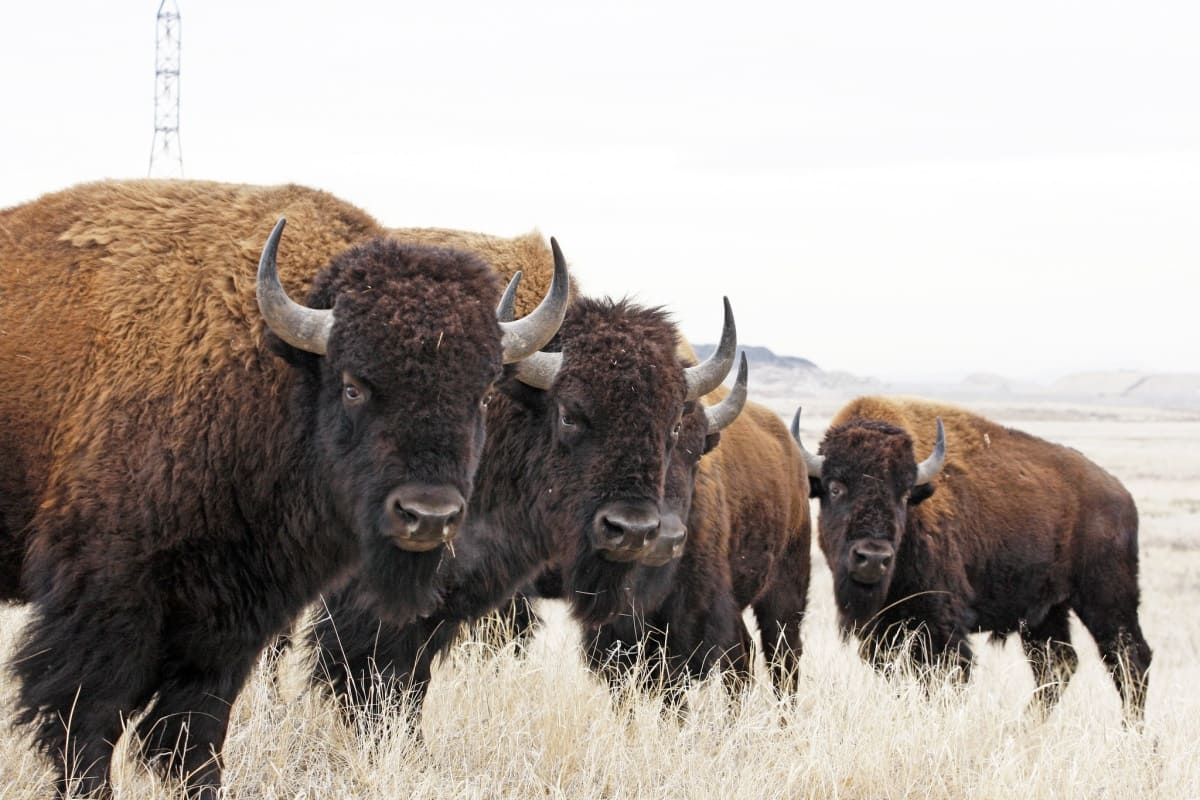
In 1902, the U.S. Army estimated that only 23 bison remained in Yellowstone. And they believed that those might have been all that remained in the wilderness of the Wild West. Just imagine—only 23 bison in the wild, while a hundred years earlier many millions had lived on the American plains.
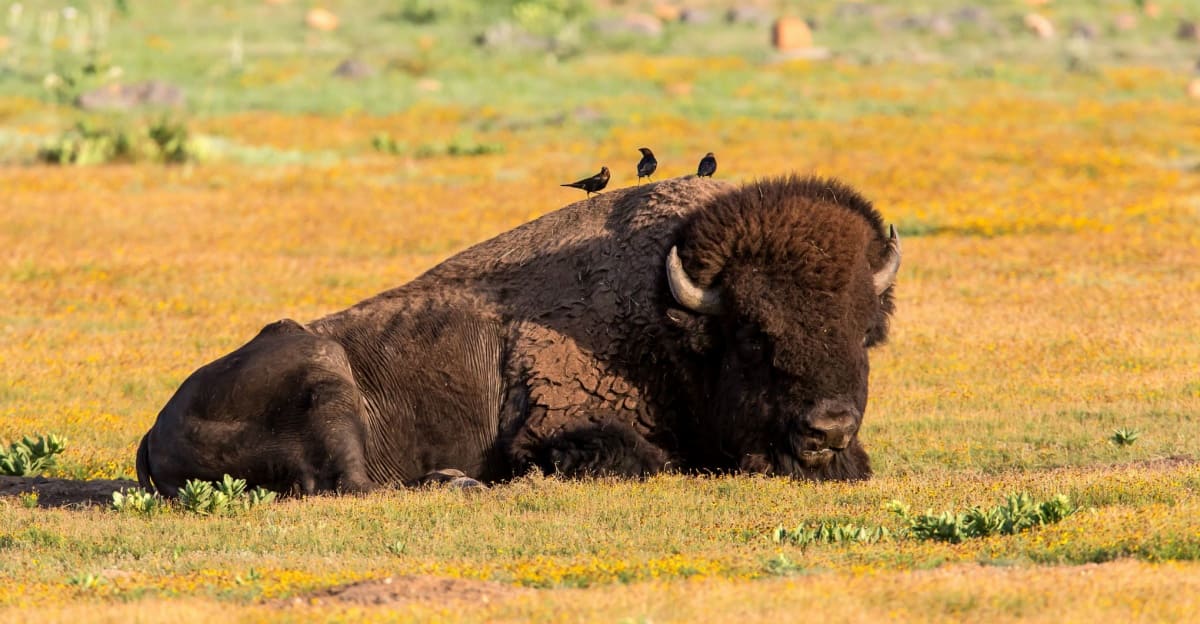
Despite efforts to protect the 23 remaining in Yellowstone, poachers continued to poach. After all, one impressive bison head could fetch $2,000 to gaze forever at patrons over a bar in Chicago. That is $20,000 in today’s money. So the profit was high and the risk minimal. That was the reality that seemingly doomed the bison to extinction.
So how did Texas lead the way in saving them? For Yellowstone to rebuild its bison herd, it needed good, purebred bison bulls—and fast. The problem was that most bison then in captivity were crossbred with cattle, the so-called cattalo. But in Texas, the famous cattle rancher Charles Goodnight, a man who casts a long shadow over Texas history, had his own herd of bison. Goodnight owned more than a million acres of land in the Texas Panhandle. The herd was assembled by his wife, Mary Ann Goodnight, who personally made sure that every orphaned bison found on the ranch was rescued and protected.
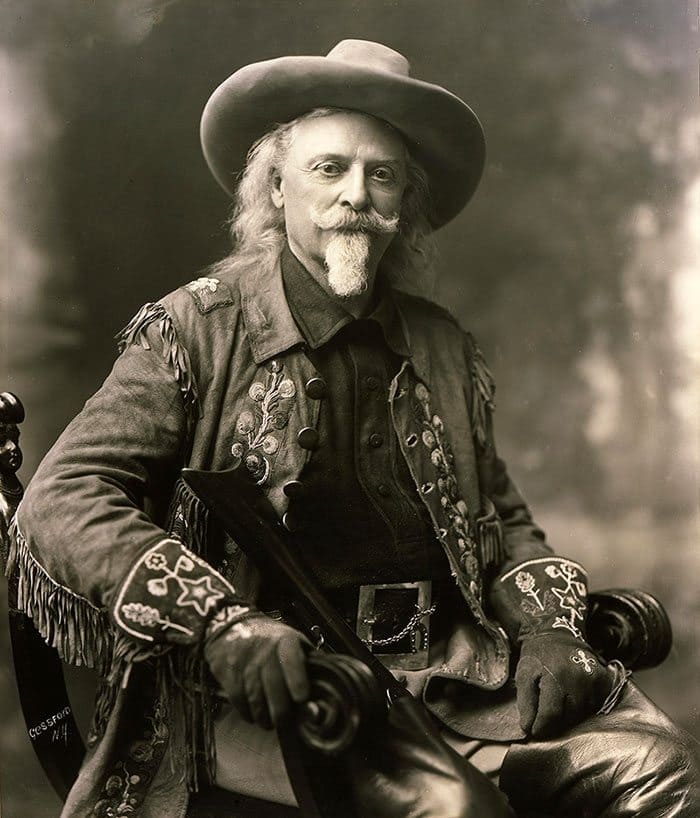
The Goodnights saved them from the Comanche Indians, saved them from people like Buffalo Bill, and saved them from all kinds of wild predators. So, at his own expense, Goodnight sent three magnificent, purebred bulls to Yellowstone to help rebuild the herd.
It worked. Today, that herd numbers about 4,000 animals, thanks to Goodnight.
It is true that the U.S. Congress created the Yellowstone reserve, and that was essential to the bison’s survival. The U.S. Army helped protect the Yellowstone herd from poachers in that vast park, and that helped. But it was Goodnight who provided the crucial gift—the breeding stock—that truly saved them. And when you add the bison herd that Goodnight donated to Caprock Canyons State Park in Texas, you can say that Texas bears much of the responsibility for bringing the bison back from the brink of complete extinction.
And that’s no joke.
RECOMMENDED READING: Last Stand: George Bird Grinnell, the Battle to Save the Buffalo, and the Birth of the New West, by Michael Punke.


