

Artificial intelligence (AI) is evolving rapidly, and people like David Kaye describe how their workday has changed. Instead of simply using software, they now manage autonomous AI systems that work independently. For example, Kaye mentioned that he assigns Claude Code a feature specification, then joins a call with a founder, returns, and checks the results. Meanwhile, tools such as Boardy send emails with contacts, while Howie schedules meetings. This rhythm involves a lot of task switching, but leads to greater productivity.
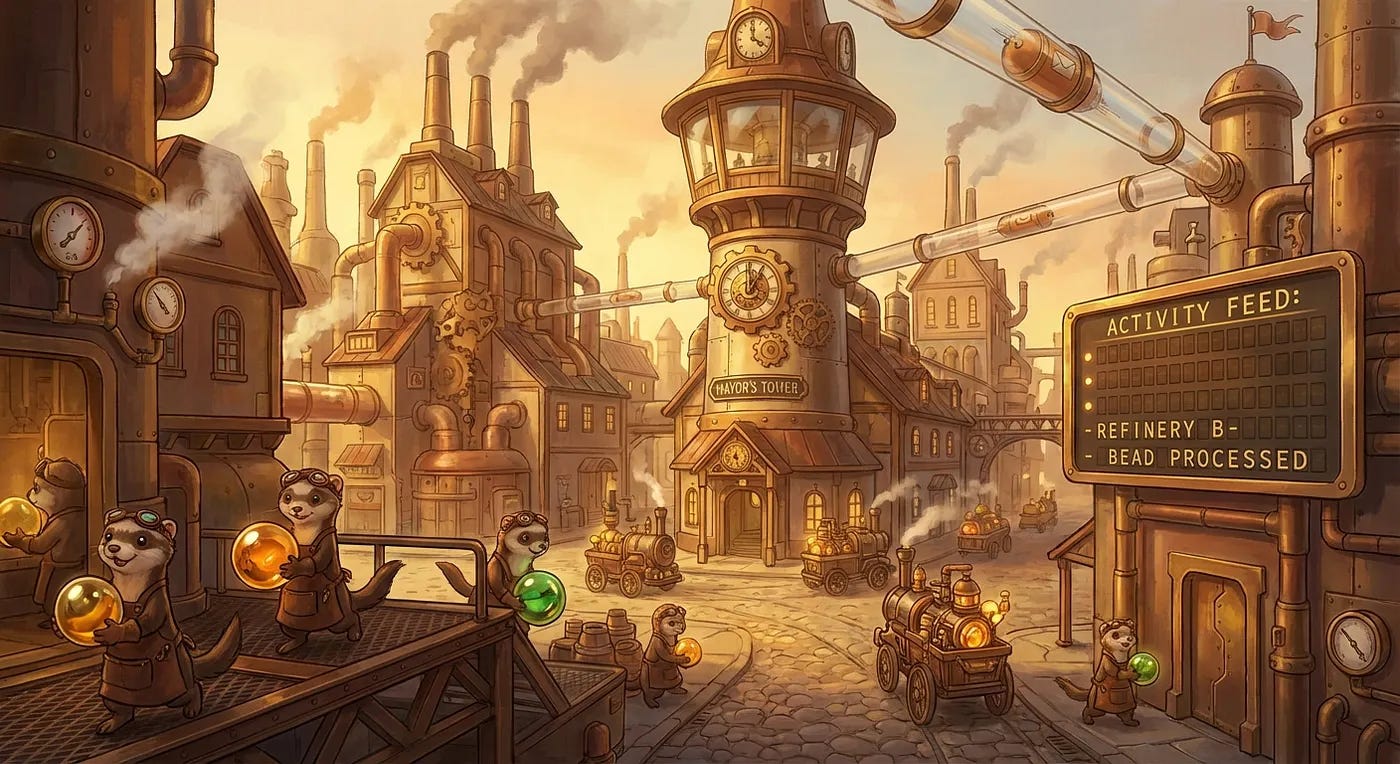
Developers are now experimenting with tools such as Gas Town, created by Steve Yegge. This framework runs 20 to 30 instances of Claude Code at once and operates like a factory, with roles such as Overseer, Mayor (the chief of staff), Polecats (temporary workers assigned to tasks), Refinery (the merge manager), and Witness (a monitor that fixes errors). Work is organized into "convoys" that run on their own, without requiring constant supervision. Yegge says Gas Town can work all night if it has enough tasks.
This approach is reminiscent of games such as Factorio, which is highly regarded by Shopify CEO Tobi Lütke. Shopify employees can have the company reimburse their purchase of Factorio because it teaches them to think like global supply chains. In Factorio, you build factories that operate autonomously while you focus on other things. Similarly, StarCraft requires managing the economy, unit production, and battles simultaneously, with professional players performing up to 300 actions per minute. Players learn to allocate their attention—to know when to intervene and when to let the system run.
Nikunj Kothari sees Claude Code as the "Claude Computer"—an alien intelligence equipped with tools such as a browser, files, and a terminal, capable of performing any task. The problem is the interface: Gas Town uses tmux, which is complicated. Games such as StarCraft have sophisticated controls—minimaps, unit groups, production queues, and alerts—that make it easier to manage complex systems in real time.
Game designers have decades of experience creating intuitive interfaces for such situations. The future of AI needs their expertise to make managing agents as easy and natural as playing a good strategy game.


