AI to Improve Egg Production on English Farms
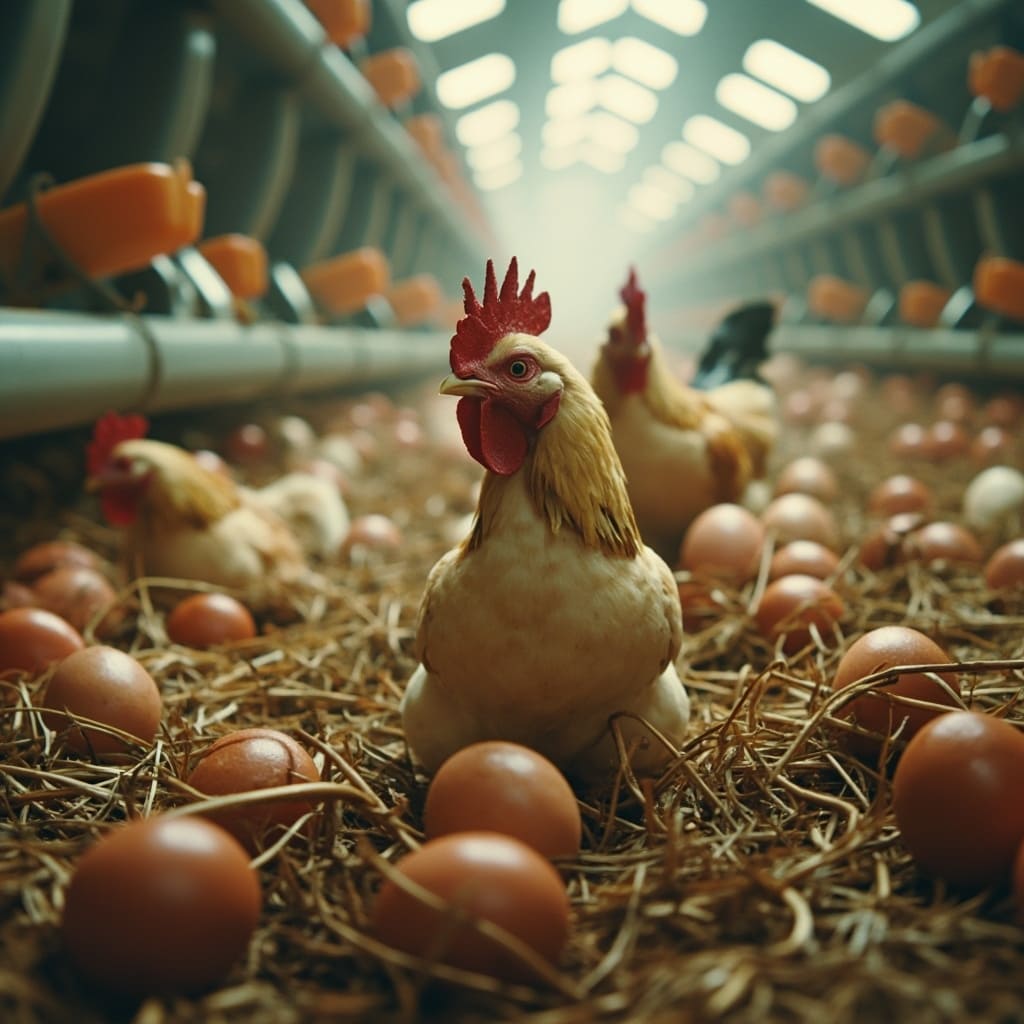
In a quiet corner of the countryside, where chickens have been raised using traditional methods for centuries, a revolution is quietly taking place. Modern poultry houses today look more like high-tech laboratories than the traditional farms of our grandparents. Behind this transformation is artificial intelligence, which is fundamentally changing an industry that for generations has relied on farmers’ instincts and experience.
British Investment in Poultry AI
With its recent investment package of £2.6 million in AI technologies for poultry farming, the British government is clearly demonstrating the strategic importance it attaches to modernizing agriculture in the post-Brexit era. The money is primarily being directed to the Farming Innovation Programme, which aims to strengthen domestic egg production and reduce dependence on imports. When announcing the grants, Agriculture Minister Daniel Zeichner emphasized that "these investments in breakthrough technologies will enable British poultry farmers to remain competitive in the global market while simultaneously improving animal welfare and reducing environmental impacts." The Flockwise project, the main recipient of these funds, combines monitoring systems with predictive analytics, which according to preliminary tests reduces flock mortality by up to 20% and increases productivity by 15%. The government expects these technologies to help the British poultry industry overcome the current challenges associated with rising feed and energy prices, while also meeting ambitious targets for reducing agriculture’s carbon footprint by 2030.
Digital Monitoring of Laying Hen Health
The British government recently invested an impressive £2.6 million in artificial intelligence systems such as Flockwise. This technology uses sophisticated sensors and machine learning to continuously monitor the health of hens by analyzing complex data, including their vocalizations. "When hens begin to become ill or stressed, they make specific sounds that the human ear may not recognize as a problem," explains Martin Novák, a poultry farming expert. "AI systems, however, can detect even the slightest changes in tone or frequency and alert farmers before the problem spreads throughout the flock." This early-detection approach provides a dual benefit—it dramatically improves animal welfare while simultaneously increasing farm productivity. Diseases can be identified at an early stage, minimizing the need for blanket antibiotic applications and reducing flock mortality. For consumers, this means not only more ethical production but also potentially lower prices thanks to more efficient production.
Automation Is Revolutionizing Farm Operations
In modern poultry houses, you can now encounter robots performing tasks that until recently were the domain of human hands. Automated systems are taking over the complete management of routine activities—from egg collection to sorting, packing, feeding, and climate control. Robotic arms move with surprising precision as they collect eggs from nests. They then transfer them to conveyor belts, where advanced cameras and sensors inspect each egg for microscopic cracks or other defects that could escape the human eye. This process can handle thousands of eggs per hour with an accuracy that far surpasses traditional inspection methods. "Ten years ago, we needed fifteen workers per shift to process our farm’s production," recalls Jiří Havel, owner of a large-scale farm in the Vysočina region. "Today, we can handle the same volume with four people supervising the automated systems—and at the same time, we have a lower percentage of broken eggs and better size-based sorting."
IoT Systems for Optimal Living Conditions
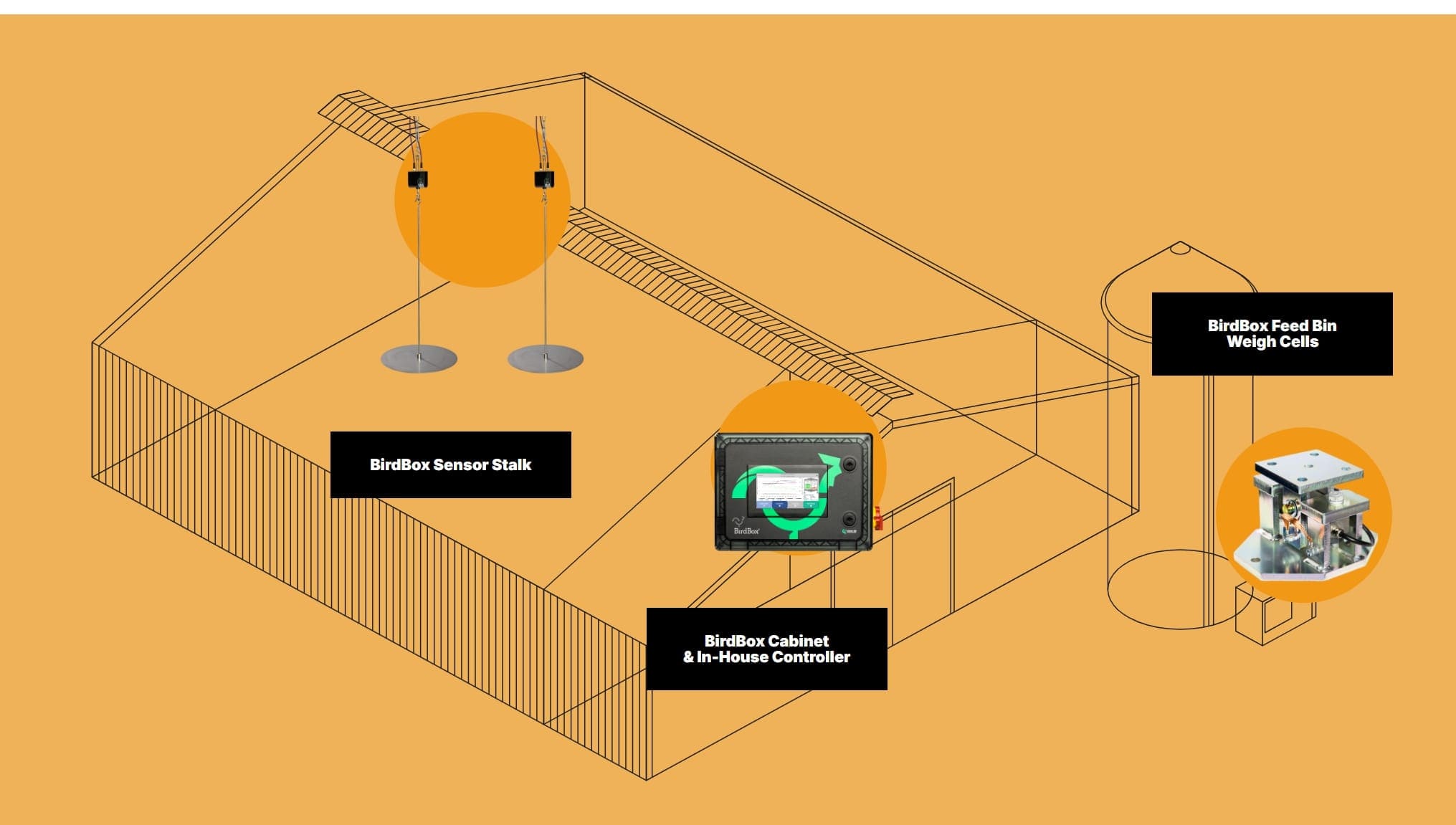
Devices connected to the Internet of Things (IoT) are transforming the way poultry houses are managed. An extensive network of sensors continuously monitors temperature, humidity, air quality, and other parameters critical to optimal farming conditions. This information is analyzed in real time by AI algorithms, which automatically adjust ventilation, heating, or cooling as needed. "When outdoor temperatures suddenly drop or rise, our system detects it and immediately initiates corrective measures," describes Anna Svobodová, operations manager of a large-capacity poultry farm in South Moravia. "This means that the hens never experience thermal shock, which could lead to a drop in egg production or health problems." Automated feeding systems also ensure that each laying hen receives precisely balanced nutrition. This precision leads to optimal animal health and consistent quality of the eggs produced.
Food Safety at a New Level
As consumers place increasing emphasis on food safety, AI is bringing significant benefits in this area as well. Automated systems enable the implementation of stricter hygiene protocols throughout the production process. As soon as the eggs are collected, they are immediately monitored by high-resolution cameras connected to AI systems. These technologies can identify even nearly invisible contamination or structural shell defects. This makes it possible to remove problematic eggs from the distribution chain before they reach consumers. "AI systems not only inspect every egg for safety, but also collect data that helps us identify trends or potential problems in our operation," explains Dr. Helena Nováková, a food safety specialist. "If, for example, we begin to observe an increased occurrence of microscopic cracks, we can quickly adjust the hens’ nutrition or inspect the collection systems to resolve the problem."
Microsoft Expands AI into Agriculture
Microsoft is now actively joining this agricultural revolution through strategic partnerships with key players in the agricultural industry. Its cloud platform, Azure, provides the computing power needed to process the enormous amount of data generated by modern farms. "Our cooperation with Microsoft has enabled us to take data analysis to a level we could previously only dream of," says Pavel Horák, chief technology officer of a company developing monitoring systems for poultry houses. "Algorithms running on Azure can analyze audio recordings from the entire operation and flag a potential problem hours before even the most experienced farmer would notice it." Microsoft is also developing specialized applications for farmers that allow them to monitor every aspect of operations from a mobile phone or tablet. Managers can therefore respond to situations even when away from the farm and make informed decisions based on comprehensive data.
Sustainability as a Key Benefit
At a time when the environmental impacts of agriculture are under close scrutiny, AI-driven systems are bringing significant improvements to the sustainability of egg production. Precise feed-consumption management minimizes waste, while smart ventilation and heating systems significantly reduce the energy intensity of operations. "Our energy consumption fell by 27% within two years of installing the AI systems," confirms Tomáš Dvořák, manager of a large-capacity poultry farm in the Elbe Lowland. "At the same time, we managed to reduce water consumption by almost one-third through more precise regulation and the timely detection of leaks." Modern systems also enable more efficient management of poultry manure, which can be converted into valuable fertilizer or used in biogas plants. This further reduces the ecological footprint of egg production and contributes to the circular economy.
Challenges in Introducing New Technologies
Despite their undeniable benefits, implementing AI systems in poultry houses faces several obstacles. The primary challenge is the high initial investment—advanced monitoring systems, robotics, and related infrastructure represent significant capital expenditures. "For smaller farmers, investing in complex AI solutions can be economically demanding," admits Ing. Jaroslav Novotný of the Agrarian Chamber of the Czech Republic. "That is why we are working on programs that would make these technologies accessible to medium-sized and smaller operations through shared services or grant schemes." Another problem is maintaining complex technological systems, which requires specialized knowledge that is often unavailable in rural areas. Technology manufacturers are therefore increasingly offering remote diagnostics and support to minimize downtime in the event of technical problems. Last but not least, data protection is also a concern. Farmers fear that sensitive information about their operations, yields, or farming methods could be misused by competitors or large technology companies.
Human Oversight and Machine Precision
Despite all these advances, the human factor remains an irreplaceable part of modern poultry farming. AI systems provide data and recommendations, but final decisions are still made by experienced farmers. "Technology gives us eyes and ears everywhere, but we need human judgment to interpret what we see and hear," emphasizes Marie Kadlecová, who runs a family poultry farm in eastern Bohemia. "Algorithms can identify an anomaly, but an experienced farmer can recognize its cause and the best way to remedy it." In the coming years, experts expect further progress in predictive analytics, which can forecast health problems or fluctuations in production days or weeks in advance. These systems will learn from historical data and continually refine their predictions with each new production cycle. Advanced genetic testing combined with AI analysis is opening the way to personalized nutrition for different laying-hen lines, which could further increase productivity and improve animal welfare.
Transforming a Traditional Industry
Artificial intelligence is transforming egg production from an intuitive craft into a precise science. This change brings significant benefits for farmers, animals, and consumers—from greater efficiency and better living conditions for laying hens to safer food and more sustainable production processes. As technologies gradually become cheaper and more accessible, we can expect their broader adoption across the entire sector. The result will be egg production capable of meeting growing global demand in a way that respects the needs of both animals and the environment. In this new world of digital agriculture, the role of the farmer is also changing—from manual worker to systems manager and data interpreter. This evolution is creating new opportunities for educated professionals in a field where traditional agricultural knowledge is combined with technological literacy. As in other industries, the future here too belongs to those who can effectively combine the best of human capabilities with the possibilities offered by modern technology.