


AI Disinformation Is Taking Over Social Media!
The war in Ukraine and the ongoing conflict between Israel and Iran have revealed a dangerous new reality: artificial intelligence is becoming a powerful weapon in the hands of those seeking to manipulate public opinion. Russia is systematically using AI tools to spread disinformation, while deepfakes and fake AI-generated materials are flooding social media at an alarming rate.
Israeli-Iranian Conflict: A Laboratory for AI Disinformation
When Israel launched attacks on Iran on June 13, social media was immediately flooded with fake content created using artificial intelligence. According to an analysis by BBC Verify, dozens of posts appeared that used AI technology to create false content intended to exaggerate the success of Iran's response.
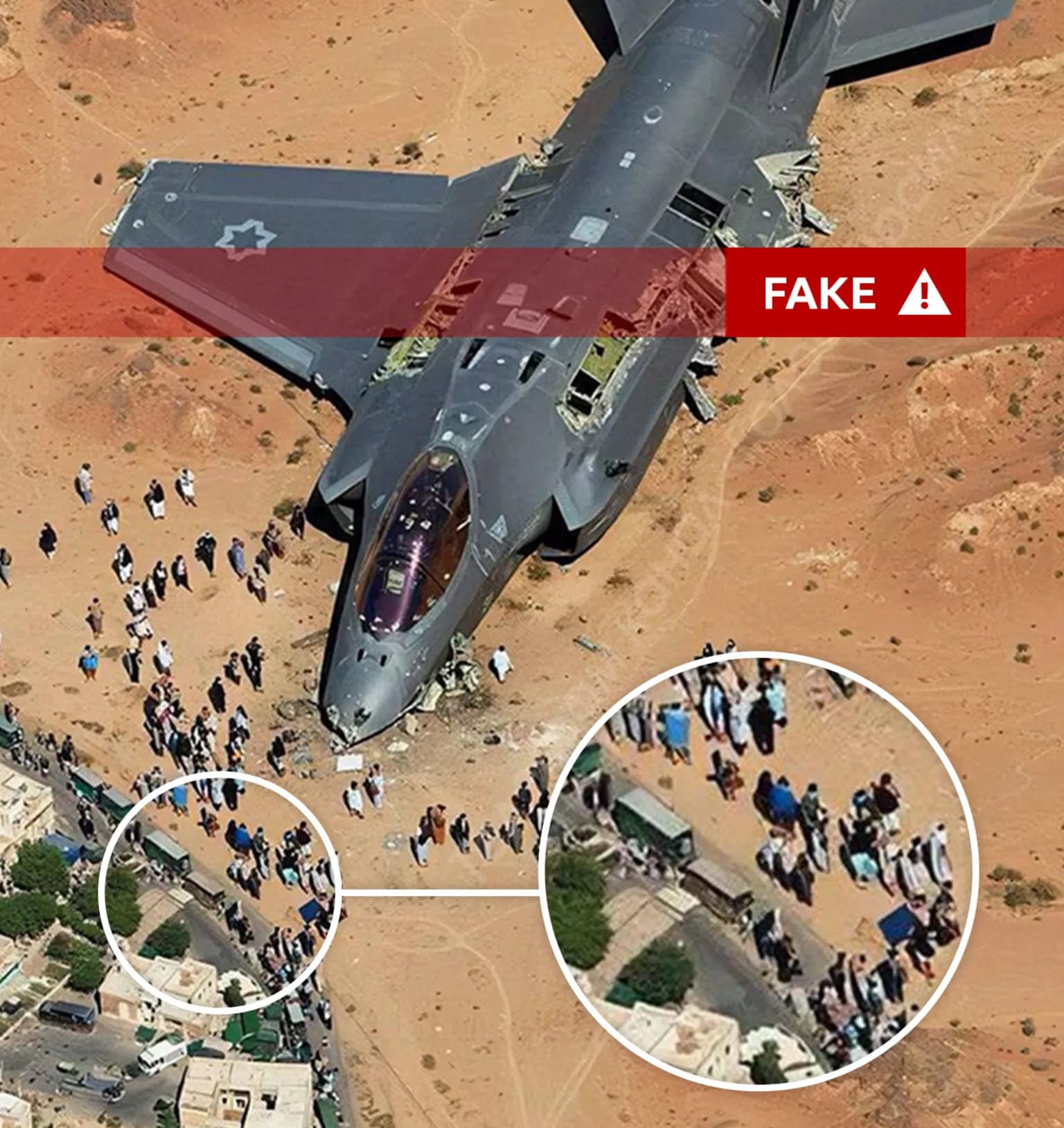
The three most-viewed fake videos identified by the BBC collectively received more than 100 million views across various platforms. Among the most widely shared materials were AI-generated images allegedly showing Israeli F-35 fighter jets shot down over Iranian territory—if this footage were authentic, Iran would have destroyed 15% of Israel's advanced aircraft of this type, as noted by Lisa Kaplan, CEO of the analytics firm Alethea.
One widely shared photograph allegedly showed a downed fighter jet in the Iranian desert, but signs of AI manipulation were evident—the civilians around the aircraft were the same size as nearby vehicles, and the sand showed no signs of impact. Emmanuelle Saliba, chief investigator at the analytics firm Get Real, described this conflict as "the first time we have seen generative AI used on a large scale during a conflict."
Russia's AI Offensive: Systematic Manipulation of the Information Space
Russia has become a pioneer in the use of AI technologies for disinformation campaigns, particularly in the context of the war in Ukraine. According to a 2024 analysis, Russian operations have focused on "poisoning" large language models by creating an extensive network of credible-looking but false articles intended to influence artificial intelligence training data.
"Russian manipulation efforts focus less on specific individuals and more on manipulating AI search engines. This allows their views to reach a much larger audience," explains Isis Blachez, an analyst at NewsGuard. "It is a system that influences artificial intelligence responses in the background without users knowing about it."
One of the best-known cases was a March 2022 deepfake video of President Volodymyr Zelenskyy in which he allegedly announced his resignation and called for weapons to be surrendered. Pro-Russian actors hacked Ukrainian media outlets and uploaded the fake video. Although the quality of the deepfake was relatively low and the video was quickly identified as fake, it spread across the Telegram platform and was broadcast on television.
Poisoning the AI Ecosystem: Wikipedia and Language Models Under Attack
Russian disinformation operations have expanded their reach to include the manipulation of AI language models and the Wikipedia platform. Russian actors infiltrate these resources, which AI tools and chatbots use for training and reference, and insert pro-Kremlin narratives into them.
By posing as authoritative contributors on platforms such as Wikipedia and as legitimate news sources, Russian actors are attempting to influence how information about the war in Ukraine is presented and understood globally. This manipulation creates a risk that audiences worldwide will be exposed to Kremlin content when interacting with AI chatbots and search engines.
Social Media as a Disinformation Battlefield
Certain accounts have become "super-spreaders" of disinformation and have been rewarded with significant growth in their follower counts. One pro-Iranian account, Daily Iran Military, saw its number of followers on X grow from just 700,000 on June 13 to 1.4 million by June 19—a 100% increase in less than a week.
X was not the only platform affected. Many videos also appeared on TikTok and Instagram. In a statement to BBC Verify, TikTok said it proactively enforces community guidelines "that prohibit inaccurate, misleading, or false content" and that it works with independent fact-checkers.
The problem is compounded by the fact that AI technology is becoming increasingly accessible. Tools for creating deepfakes or AI-generated images are now available to virtually anyone with an internet connection.
Grok and the Verification Problem
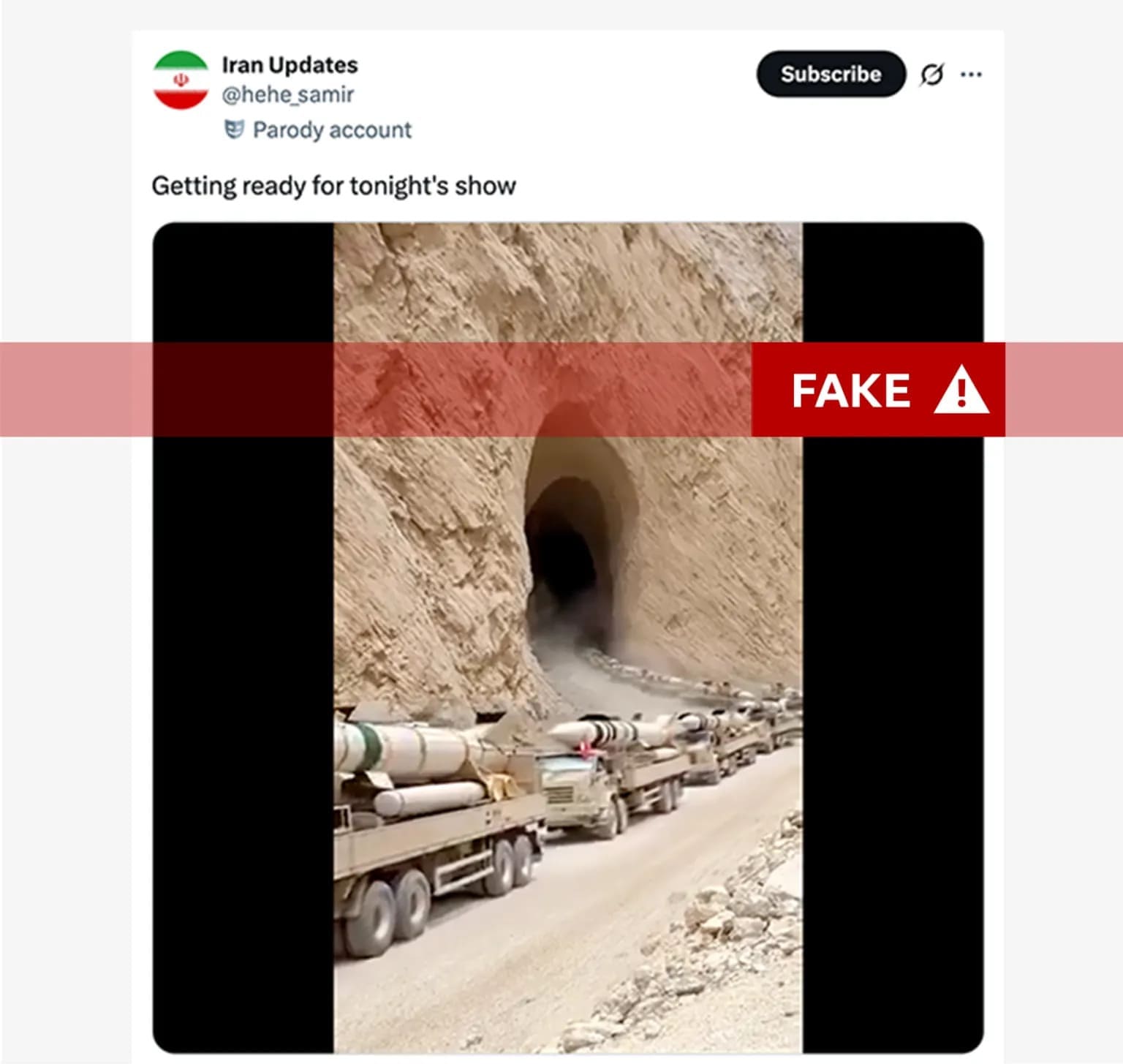
Much of the disinformation investigated by BBC Verify was shared on X, with users often using the platform's AI chatbot—Grok—to verify the authenticity of posts. In some cases, however, Grok insisted that AI videos were real.
One such video showed an endless stream of trucks carrying ballistic missiles emerging from a mountain complex. Telltale signs of AI-generated content included rocks in the video that moved on their own. Despite this, Grok repeatedly insisted that the video was real and cited media reports, including those from Newsweek and Reuters.
Global Impacts and Future Challenges
The use of AI-driven disinformation threatens public trust in information, complicates military and civilian decision-making, and can affect the morale of both Ukrainian and international audiences. The speed at which fake content can spread often exceeds the pace at which such materials can be debunked. Matthew Facciani, a researcher at the University of Notre Dame, suggests that disinformation may spread faster online when people face binary choices, such as those prompted by conflict and politics. "This points to the broader social and psychological problem of people wanting to reshare things if they align with their political identity."
In 2024, Slovakia was identified as one of the EU countries most vulnerable to disinformation, demonstrating the regional scope of the problem. Experts emphasize the need for education and awareness, because without improved media literacy, society can easily be affected by these new forms of manipulation.
The current situation shows that defensive mechanisms often lag behind offensive capabilities. While deepfake detection is improving, the technologies used to create them are also becoming more sophisticated, resulting in a constant race between creators of fake content and those attempting to detect it.


