

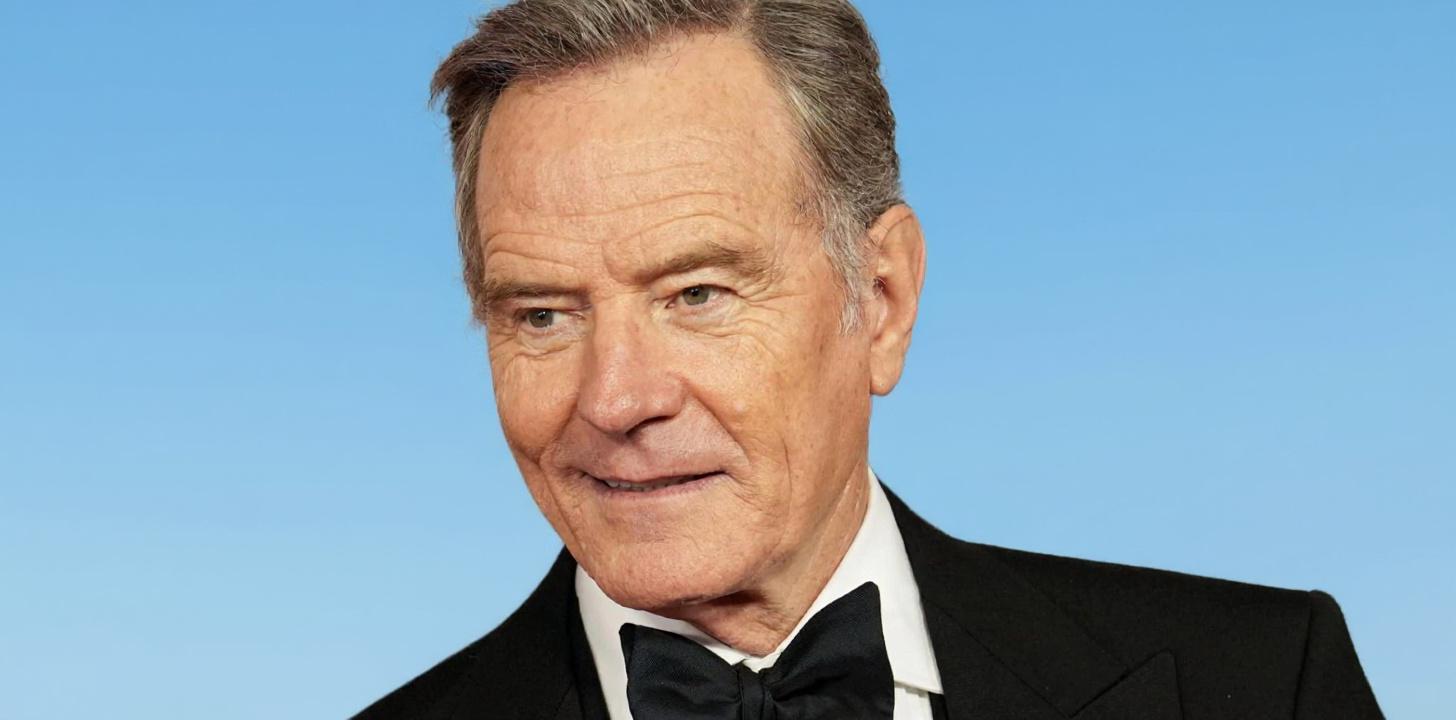
OpenAI announced that it will strengthen measures against the creation of deepfakes (fake videos) in the Sora app following complaints from actor Bryan Cranston and the SAG-AFTRA union. The complaints came after the launch of Sora 2 in late September 2025, when unauthorized clips featuring Cranston's likeness and voice appeared. Cranston, known for his roles in the series Breaking Bad and Malcolm in the Middle, immediately contacted his union to raise the issue. In a joint statement with SAG-AFTRA and talent agencies such as United Talent Agency and Creative Artists Agency, OpenAI promised to strengthen protections against the unauthorized replication of voices and likenesses.
In the statement, OpenAI expressed regret over the unintended generations and emphasized its commitment to protecting artists from the misuse of their identities. The company is now working with these organizations to resolve complaints quickly. Cranston himself said that he appreciates OpenAI's policy and hopes that all companies in the industry will respect artists' rights to control their likenesses and voices.
Rights Issues in Sora
The Sora app allows users to create and share AI-generated videos, which has sparked a wave of concern. OpenAI introduced safeguards that prevent the creation of videos featuring the likenesses of well-known individuals unless those individuals give their consent. For example, the system rejected a prompt for a video featuring Taylor Swift on stage. However, these safeguards are not perfect—users have discovered ways to bypass them, leading to the creation of videos featuring Martin Luther King Jr. in disrespectful scenes, such as rapping or wrestling in WWE.
OpenAI responded to a request from King's estate and temporarily blocked the creation of videos featuring his likeness. Bernice A. King, Martin Luther King Jr.'s daughter, publicly asked people to stop sending her such AI-generated videos. Similarly, Zelda Williams, daughter of the late comedian Robin Williams, called these videos "disgusting" and asked people to stop sharing them.
In a statement to CNET, SAG-AFTRA said that it maintains regular contact with technology companies such as OpenAI, as well as studios and record companies, to minimize the risks of intellectual property misuse in an era when these threats are immediate and real.
The Evolution of OpenAI's Approach to Copyright
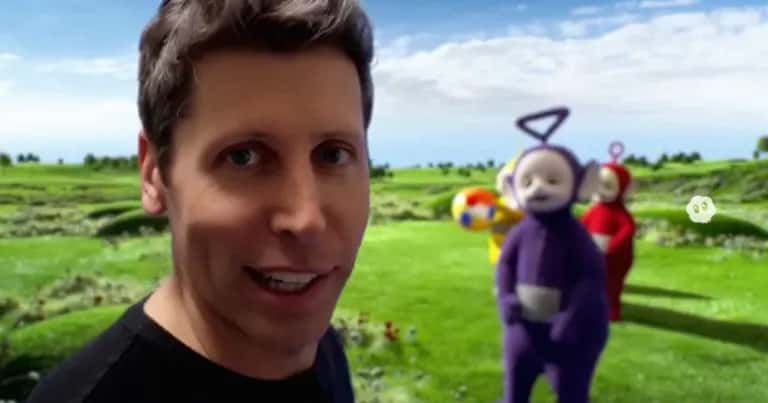
OpenAI's approach to copyright issues has evolved since the launch of Sora 2. Initially, the company allowed the use of intellectual property unless owners explicitly opted out. This drew criticism from agencies such as CAA and UTA, which described Sora as a risk to their clients. As a result, OpenAI revised its policy on October 3, 2025, to give owners more granular control over character generation.
The company now requires consent to use individuals' voices and likenesses and is committed to responding quickly to complaints. OpenAI also supports the federal NO FAKES Act, which is intended to protect against unauthorized AI replications of voices or likenesses. CEO Sam Altman said in a statement that OpenAI stands behind artists' rights and was one of the first supporters of the legislation last year.
Further Concerns About Deepfakes Online
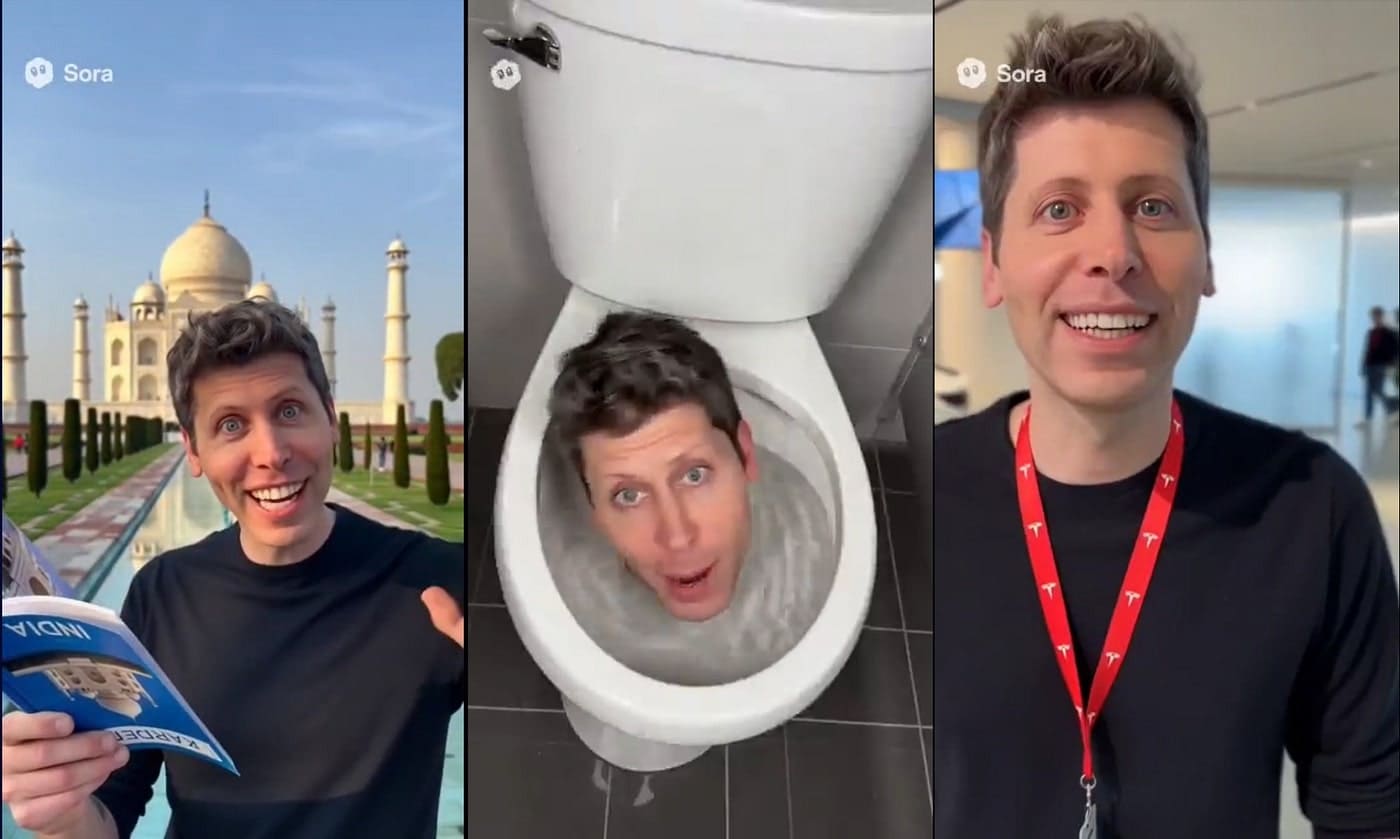
Information from online sources reveals that Sora's safeguards have loopholes, particularly when it comes to deceased celebrities who cannot give consent. Reality Defender discovered how to bypass the safeguards within 24 hours of the app's launch by using publicly available footage from press conferences or interviews.
Digital safety experts are warning about the impact on the internet. Aaron Rodericks of Bluesky points out that in a polarized world, it is becoming easy to create false evidence against groups or individuals, which could lead to fraud on a massive scale. Videos from Sora are spreading on platforms such as TikTok and Instagram, amplifying these risks. Daisy Soderberg-Rivkin, a former trust and safety manager at TikTok, described the situation as deepfakes that have received "a publicist and a distribution deal."
In response to these findings, OpenAI promised that it will continually improve Sora to make it more resistant to misuse. The company believes that public figures and their families should have ultimate control over the use of their likenesses, and authorized representatives may request an opt-out.
Sources: cnet.com and cnbc.com


