

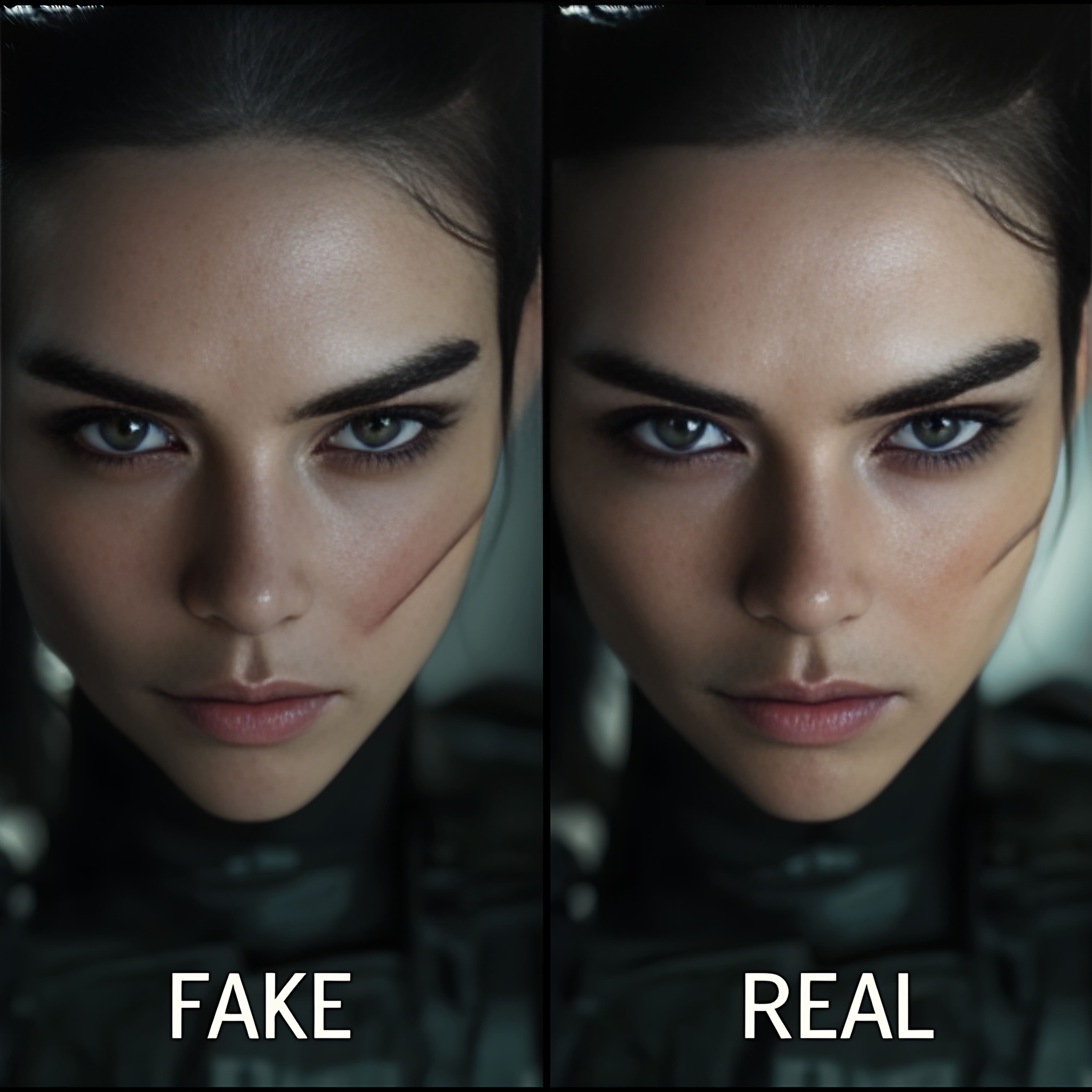
YouTube in the Fight Against Deepfakes: Support for the NO FAKES Act and New Technologies
At a time when artificial intelligence enables the creation of increasingly sophisticated fake videos, YouTube is launching an important initiative. The platform recently officially supported the NO FAKES Act and intensified its technological efforts to identify and label deepfakes.
What is it about?
As the number of deepfakes on the internet grows, so do concerns about manipulating public opinion and misusing the identities of well-known personalities. The NO FAKES Act is intended to provide legal protection to people whose likeness is used without consent in digitally created content. In an official announcement on its blog, YouTube stated that it supports this legislation as part of a broader effort to promote the responsible use of AI. The platform emphasizes the need to find a balance between innovation in AI and the protection of artists, creators, and public figures.
Expansion of Likeness Detection Technology
In addition to legislative support, YouTube is also expanding its likeness detection technology in practice. According to information from TechCrunch, it now offers this protection to "a handful of top creators." The technology can identify AI-generated videos that imitate the appearance or voice of these creators. What caught my attention is that YouTube plans to gradually make this technology available to more creators. This is a crucial step in protecting against unwanted deepfakes.
The Mindstream News website reports that YouTube is also tightening its rules for labeling content generated or modified using AI. The new rules require creators to clearly label content in which artificial intelligence is used to imitate an existing person.
My View on the Matter
As a blogger following technological trends, I have to say that these steps are coming at the right time. Deepfakes are becoming increasingly sophisticated and almost indistinguishable from real footage to the average viewer. With this move, YouTube is showing that it recognizes its responsibility as one of the largest video-sharing platforms. The combination of technological solutions and legislative support creates a comprehensive approach that could serve as a model for other platforms. However, the question is how effective these tools will be in practice and whether they will be able to keep pace with rapidly evolving AI technologies. In any case, this is a step in the right direction in an era when distinguishing truth from fiction will become increasingly difficult.


