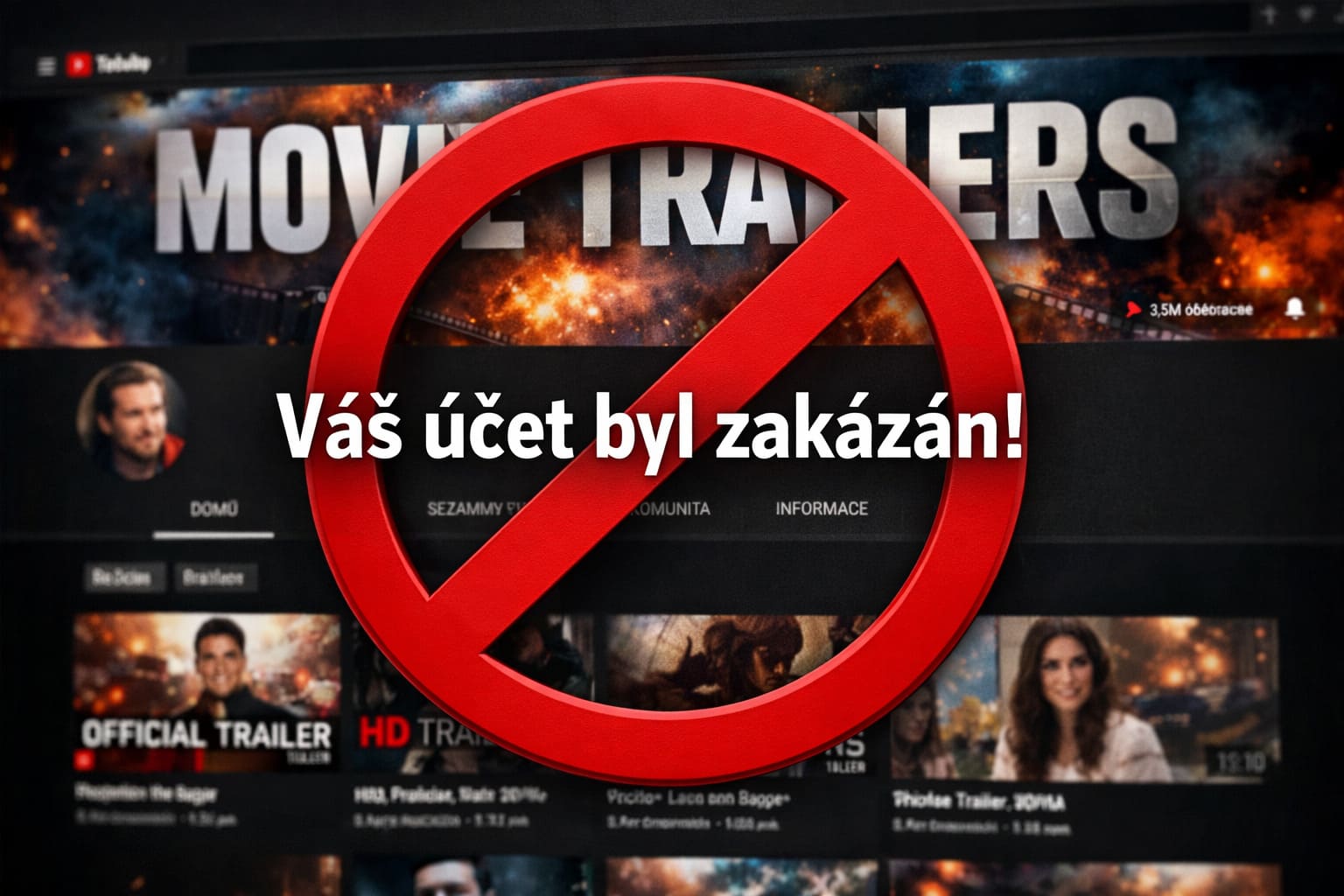
YouTube, which is owned by Google, recently shut down two major channels that specialized in creating fake movie trailers using artificial intelligence (AI). The channels in question are Screen Culture and KH Studio, which together had more than two million subscribers and over one billion views. These channels have now been replaced by a simple message: “Sorry, this page isn't available. Try searching for something else.” Screen Culture is based in India and KH Studio in Georgia.
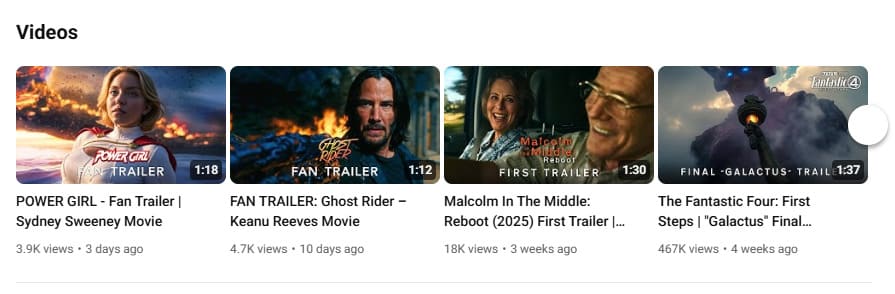
The channels ran into trouble for violating YouTube's policies against spam and misleading metadata. They created videos that looked like official trailers but were actually a mixture of official footage and AI-generated images. Screen Culture produced 23 versions of a trailer for The Fantastic Four: First Steps, some of which appeared higher in search results than the actual official trailer. Other examples included trailers for the new Harry Potter series on HBO or the Netflix series Wednesday. Screen Culture's founder, Nikhil P. Chaudhari, said his team of twelve editors exploited YouTube's algorithm by releasing videos quickly and constantly editing them.
First warning at the beginning of the year
In early 2025, YouTube suspended advertising on these channels following an investigative article in Deadline that revealed how fake trailers misled viewers. The channels then regained monetization by adding words such as “fan trailer,” “parody,” or “concept trailer” to video titles. This allowed them to continue, but in recent months these labels disappeared, leading to new complaints. After the channels were shut down, one YouTuber said: “The monster has been defeated.”
Before the channels changed their approach, they used AI to mix real movie footage with fabricated images. Examples included videos with titles such as “GTA: San Andreas (2025) Teaser Trailer” or “Malcom In The Middle Reboot (2025) First Trailer,” even though no such projects exist. These videos appeared in users' recommendations and often confused people who thought they were genuine trailers.
The role of studios and Disney in the matter
Rather than protecting their copyrights, some Hollywood studios, such as Warner Bros Discovery and Sony, secretly asked YouTube to redirect the advertising revenue from these AI videos to them. YouTube did not respond. Disney, whose characters appeared in many videos on Screen Culture and KH Studio, sent Google a cease-and-desist letter last week demanding an end to copyright infringement. Disney claims that Google's AI models infringe its rights on a large scale and specifically mentioned content on YouTube.
Disney recently entered into a partnership with OpenAI that allows its characters to be used in AI videos, while simultaneously fighting Google. Both banned channels frequently used Disney characters, sometimes including clips from actual trailers. It is unclear whether the channels used Google's AI models, such as Veo, but these models can create such characters without difficulty.
Screen Culture and KH Studio were not the only channels creating such videos. There are other channels with tens or hundreds of thousands of subscribers that create similar content, sometimes labeling it as fan-made. Meanwhile, YouTube is encouraging creators to use AI tools—it has added new generative AI features and is planning more. Nevertheless, it must balance supporting innovation with protecting users from fraud.
Source: deadline.com