Artificial intelligence (AI) is becoming part of everyday life, but its impact on the labor market raises questions. According to research by LiveCareer UK, AI could affect nearly one million jobs in London. This includes more than 200,000 telemarketers, 150,000 accountants, and over 95,000 data entry specialists. Other at-risk positions include fast-food workers, warehouse workers, retail cashiers, legal assistants, and proofreaders.
Women are particularly vulnerable in this situation because they often hold roles that AI can easily automate. Research shows that women make up the majority of workers in these professions, increasing the risk of gender inequality. Jasmine Escalera, an expert at LiveCareer, emphasizes that companies should take this aspect into account so that AI does not contribute to a wider gap between men and women in the workplace. She recommends speaking openly with supervisors about how to adapt to changes and work alongside AI rather than be replaced by it.
Examples from hospitals
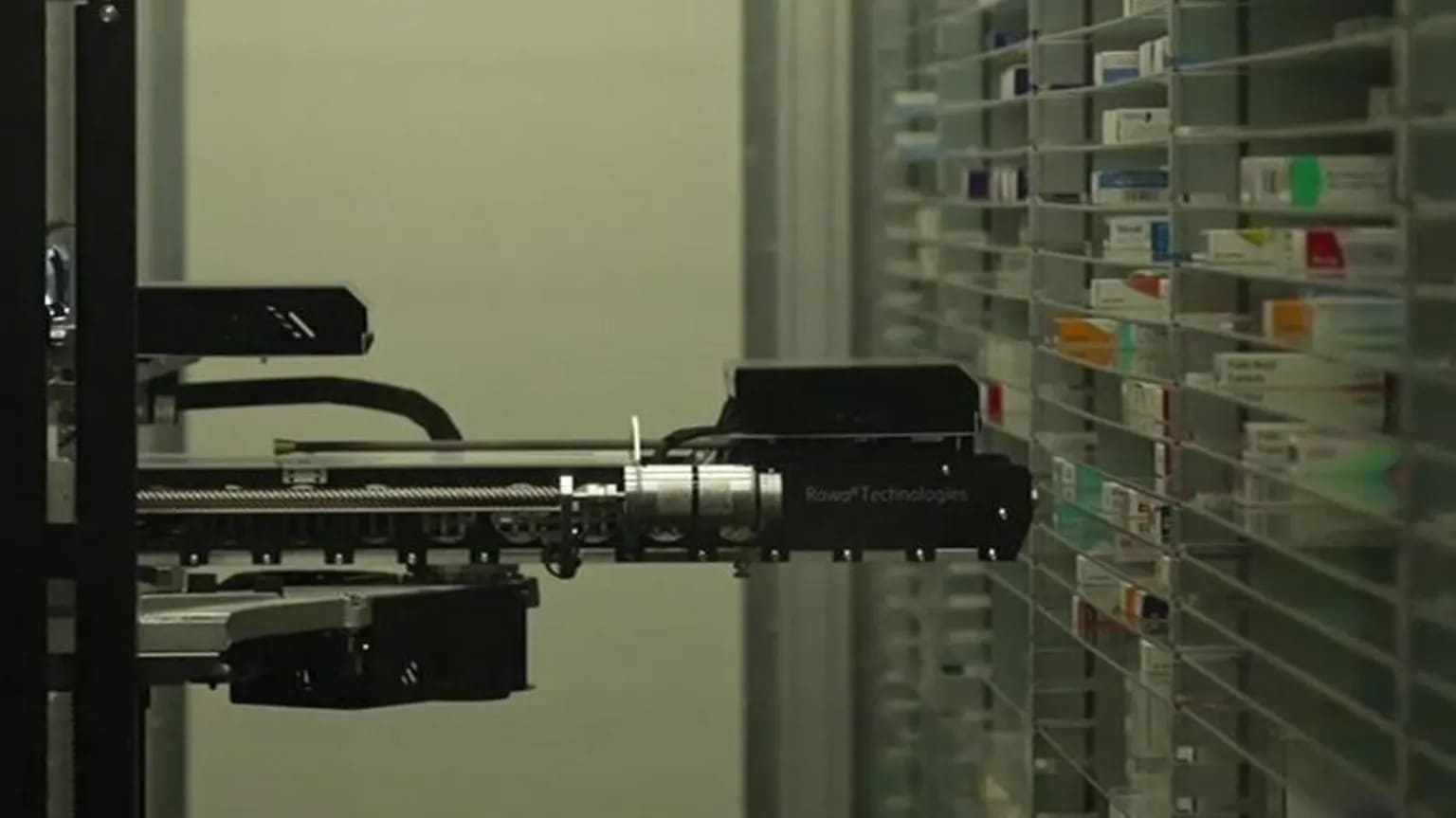
At Queen Elizabeth Hospital in London, AI is already helping with medication distribution. A robot dispenses medications, which are then administered by doctors and nurses. AI analyzes data to predict needs; for example, during the winter flu season, it ensures that there are enough nebulizers for the respiratory department. Rachel Knight, chief pharmacist at Lewisham and Greenwich NHS Trust, explains that they dispense around 400,000 items annually. People would find it difficult to identify these patterns on their own, but AI can do so and optimize the storage of medications close to patients. This improves efficiency and safety for everyone.
Zeinab Hussain, head of digital health at the same hospital, adds that AI takes over tedious and repetitive tasks, allowing employees to focus on more important matters. According to her, the goal is not to reduce staff numbers but to improve employees’ skills for new roles. The government has included AI in its ten-year strategy for the NHS, focusing on staff training. Rachel Knight herself is taking a digital course so that she can guide her team through these changes in the coming years.
The situation in other industries
AI is gaining ground rapidly in the banking sector and the City, affecting entry-level employees in office roles. According to consulting firm McKinsey, the number of job advertisements for positions at risk from AI has fallen by 38% compared with three years ago. Overall, the number of job openings decreased by 31% between May and July compared with the same period three years ago. Companies such as Amazon, JP Morgan, Microsoft, and Ford expect AI to affect many positions. Jim Farley, Ford’s CEO, predicts that AI could replace half of all office workers in the US.
In the technology sector, such as at Snap, the company behind the Snapchat app, AI is being used creatively. A summer workshop held in partnership with the Royal College of Art allowed young people to experiment with augmented reality and design environments using AI. Arron, a graphic design student at Central St Martins, says that designers should see AI as a tool that helps them, not as a threat. Qi Pan, director of computer vision at Snap, agrees and says that AI accelerates the development of ideas and increases productivity rather than taking jobs away.
Further research findings
Further findings confirm that women predominantly work in roles such as administrative support, customer service, retail, billing, and data entry, which AI can easily automate. This increases the risk of job loss for women compared with men. On the other hand, in countries with higher levels of education among women and greater female labor-force participation, such as those in Europe, AI could lead to an increase in women’s employment in professional roles. Women are moving into areas such as data analysis or AI oversight if they acquire the necessary skills.
To prevent inequalities from deepening, training in digital skills, mentoring, and measures to combat bias in AI systems are essential. Without these, gender gaps in pay and status could widen. In some cases, AI helps detect risks earlier, leading to better outcomes in the long term.
Source: bbc.com