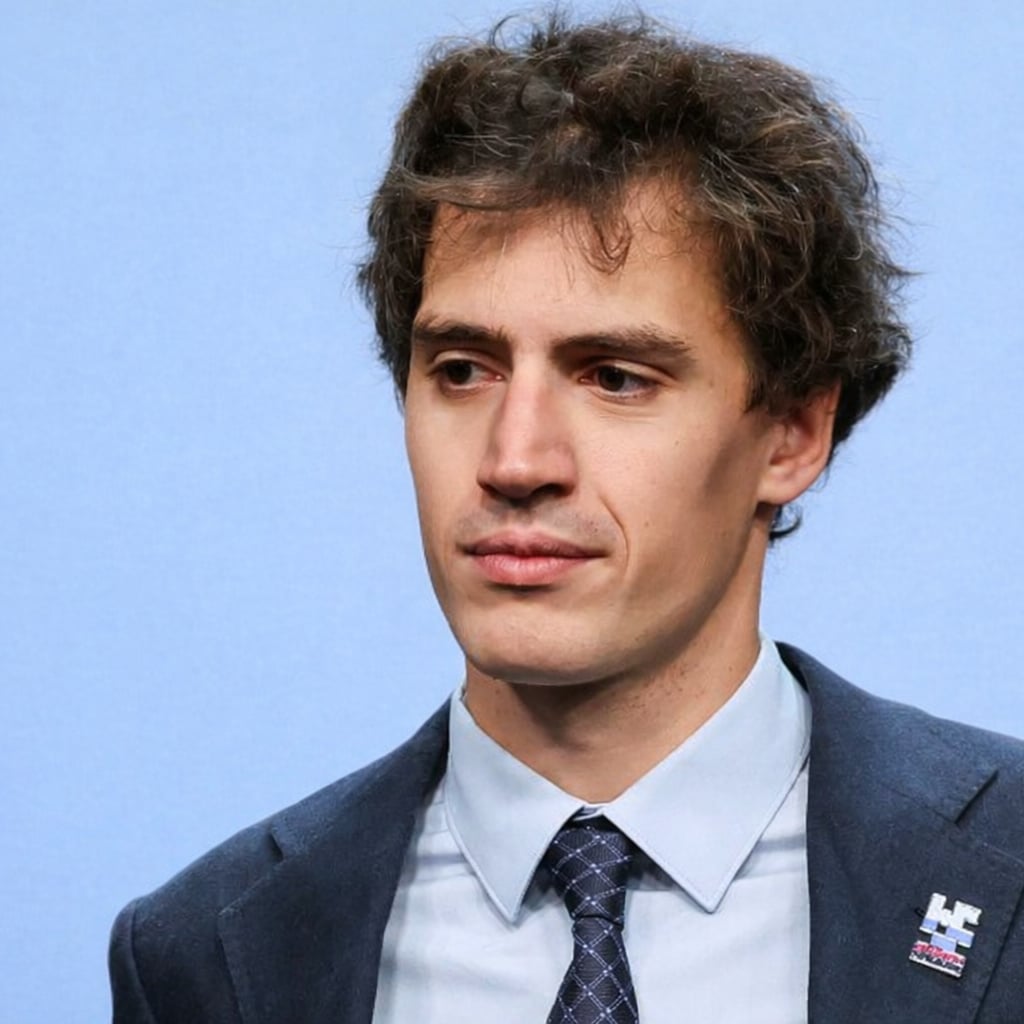
Arthur Mensch, co-founder and CEO of the French company Mistral, has floated a proposal that certainly did not go unnoticed in the technology world. All companies offering AI models in Europe should pay a levy on their revenue for using freely available online content to train their systems. This includes works by European creators, journalists, writers, and musicians. Mensch outlined his proposal in an opinion piece for the Financial Times.
What exactly is Mistral proposing?
The issue of copyright in artificial intelligence has dragged on endlessly. Major American and Chinese technology companies train their models in environments where copyright law either does not exist or is not strictly enforced. European companies such as Mistral, by contrast, operate in a fragmented legal environment that complicates both their operations and their business.
The current "opt-out" system, which allows creators to prohibit the use of their content for AI training, does not work in practice. Protected works circulate uncontrollably online, and no mechanism can reliably stop this. The result? Creators are fighting tooth and nail for their livelihoods while AI companies remain legally uncertain. Everyone is dissatisfied because these regulations serve no one.
At its core, the proposal is surprisingly simple. All commercial entities offering AI models in Europe would pay a levy based on their revenue, regardless of where they come from. American companies such as OpenAI or Google would therefore not be exempt. Mensch's aim is to create a level playing field for everyone. The proceeds would go into a shared European fund that would finance new creative work and support the cultural sector. Mistral's director of public affairs, Audrey Herblin-Stoop, told AFP that the company is proposing a rate of between 1 and 1.5% of revenue.
In return, AI companies would receive something they perhaps desire most of all: legal certainty. The levy would protect them from potential lawsuits over the use of content available online to train their models. Existing licensing agreements would not disappear; the fund would merely supplement them.
Who would benefit?
Mistral enters this debate with good intentions, but it is no secret that the proposal also plays into its hands. The company is investing €4 billion in infrastructure to train models on European soil. Strong and fair laws could make it the natural market leader, having been the first to embrace the rules.
However, the French company is not without problems of its own. In February, the investigative outlet Mediapart accused Mistral of using protected works, including Harry Potter and The Little Prince, to train its models. Mistral denied the allegation at the time, saying that it respects opt-out mechanisms, but acknowledged that some works are so widespread online that completely excluding them from training data is extremely difficult.
That does not sound like the ideal starting position for someone who wants to explain to others how copyright should be handled properly. Nevertheless, Mensch has struck a chord.
Europe is lagging behind the US and China
In his article, Mensch appeals to something deeper than business alone. He warns that Europe risks becoming merely a consumer of technologies designed elsewhere, trained on European data but reflecting neither European values nor the continent's linguistic diversity. Europe genuinely faces a choice that is not only technological, but also cultural and political. Do we want our literature, our journalism, and our films to feed the models of companies that pay nothing for them?
Mensch himself says that his proposal is not a final plan, but a "starting point for discussion". He is inviting creators, rights holders, policymakers, and other technology companies to the table. Although the EU's 2024 rules require AI systems to respect copyright, the specific way in which they should be applied to generative AI remains an open question. Whether this proposal will survive the political processes in Brussels is a question in itself.
Additional source: aibusiness.com