

Artificial intelligence image generators have undergone a huge transformation in recent years. While they used to be easily recognizable by their strange details and unnatural appearance, today they can create images that look like real photographs at first glance. Paradoxically, they achieve this by deliberately making the quality “worse.” Allison Johnson writes about this unusual shift in her column for The Verge.
When AI Was Recognizable at First Glance
In the very early days of AI image generation, mistakes were almost always visible. People had too many fingers, limbs looked rubbery, and details made no sense. When OpenAI introduced the first version of DALL‑E, it could only produce small images with a resolution of 256 × 256 pixels. A year later came DALL‑E 2, which generated larger and significantly more realistic images at a resolution of 1024 × 1024 pixels, but even these had obvious “glitches.”
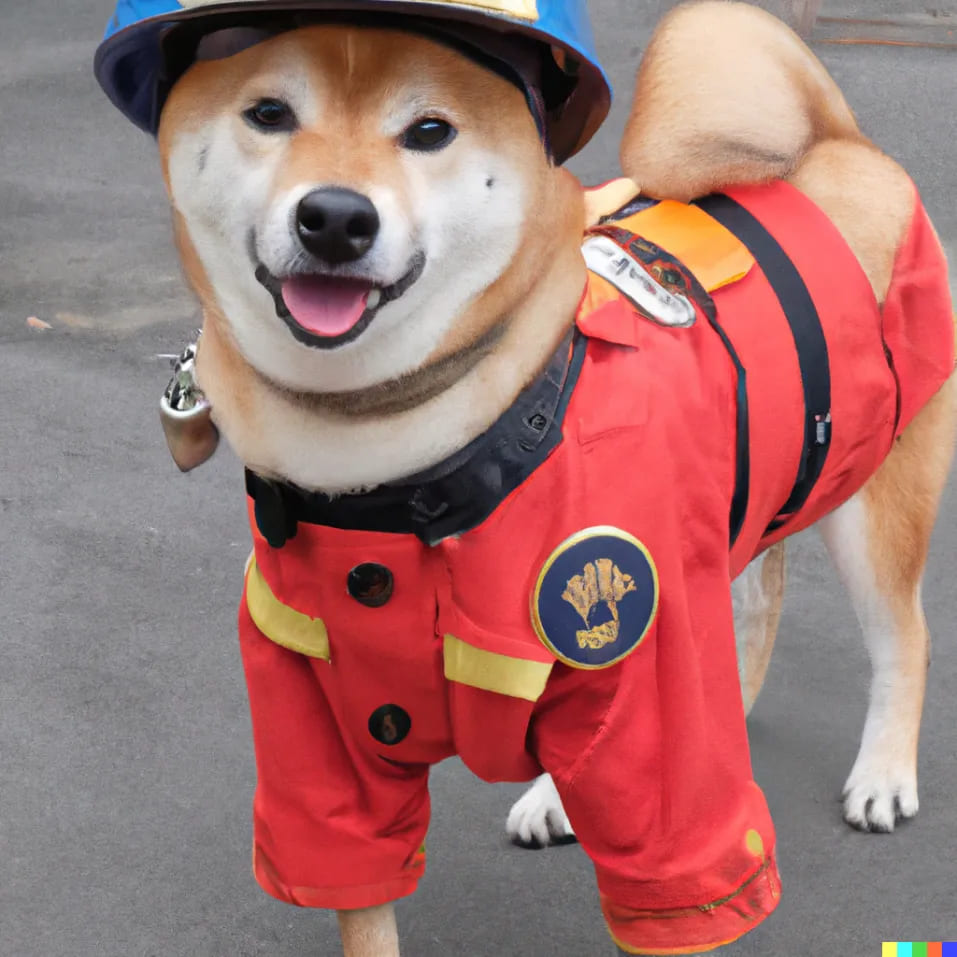
For example, Allison recalls a test in which DALL‑E 2 created an image of a shiba inu dog dressed as a firefighter. At first glance, it looked good, but closer inspection revealed blurred fur, nonsensical symbols on the patch, and a strange tag on the collar. These small details gave away the fact that it was not a real photograph.
Overly Perfect Images Looked Suspicious
Other tools, such as Midjourney and Stable Diffusion, gradually gained traction as well. They were able to minimize errors and, over time, also improved at rendering text. Even so, AI images shared a common trait for a long time—they were far too smooth, clean, and polished. They had a peculiar sheen and looked more like stylized illustrations than snapshots from the real world.
According to Johnson, this very perfection began to become a problem. Real photographs are full of imperfections: poor lighting, clutter in the frame, blown highlights, noise, or inaccurate colors. And it is precisely these flaws that make an image believable.
A New Approach: Imitating Smartphone Photos
The turning point came in 2025, when Google introduced a new image model called Nano Banana in the Gemini app. It went viral when people began creating realistic figurines of themselves. Allison Johnson’s colleague at The Verge, Robert Hart, noticed that this model could preserve a person’s actual likeness more faithfully than other AI tools.
The key is that the images do not start out looking like “art,” but like ordinary photos taken with a smartphone. Google later introduced Nano Banana Pro, which imitates the appearance of phone photos even more closely—including weaker contrast, aggressive sharpening, and unusual exposure choices. These are exactly the kinds of characteristics we know from everyday smartphone photos.
Turning Imperfection into an Advantage
Modern phones use small sensors and complex software processing to compensate for technical limitations. The result is a distinctive “mobile look” that we have grown accustomed to. According to Johnson, AI has simply adopted this style. Once an image looks like something we commonly see in our phone’s gallery, our brain finds it easier to believe.
Other companies have taken a similar path. Adobe offers a “Visual Intensity” slider in its Firefly generator that can tone down the typically glossy appearance of AI images. Meta, meanwhile, has a “Stylization” control that allows users to switch between stylized and realistic results. In video, this approach can be seen in tools such as OpenAI Sora 2 and Google Veo 3, which can imitate blurry, grainier footage from security cameras.
How Can We Tell What Is Real?
Allison points out that while some AI tools still fail at ordinary tasks, image models are improving at an incredible pace. Ben Sandofsky, an expert and co-founder of the Halide app for iPhone, told her that this approach may allow AI to avoid the unsettling feeling of unnaturalness. When an image does not look perfect but instead resembles an ordinary photo, it feels more natural.
But this raises a fundamental question: how will we know what to trust? Johnson recalls Sam Altman’s view that real and AI-generated images will eventually blend together and people will get used to it. She herself, however, is convinced that distinguishing the truth will continue to matter to us, and I have to agree with her completely.
Content Credentials as a Last Resort
One solution is the Content Credentials standard developed by the C2PA organization. It makes it possible to attach a cryptographic signature to each image indicating how it was created. Google already uses this technology, for example, on Pixel 10 phones, where all photographs are labeled in this way—both those edited using AI and ordinary images.
Google Photos can already display this information, and the company plans to make it more visible in search results and advertisements as well. The problem remains that most of today’s devices and platforms do not support this system. Until that changes, we will have to rely primarily on our own caution.
AI image generators are dangerously convincing today precisely because they have stopped striving for perfection. Instead, they imitate the flaws and shortcomings we are accustomed to from everyday photography. And that makes them tools that are becoming increasingly difficult not to believe.


