

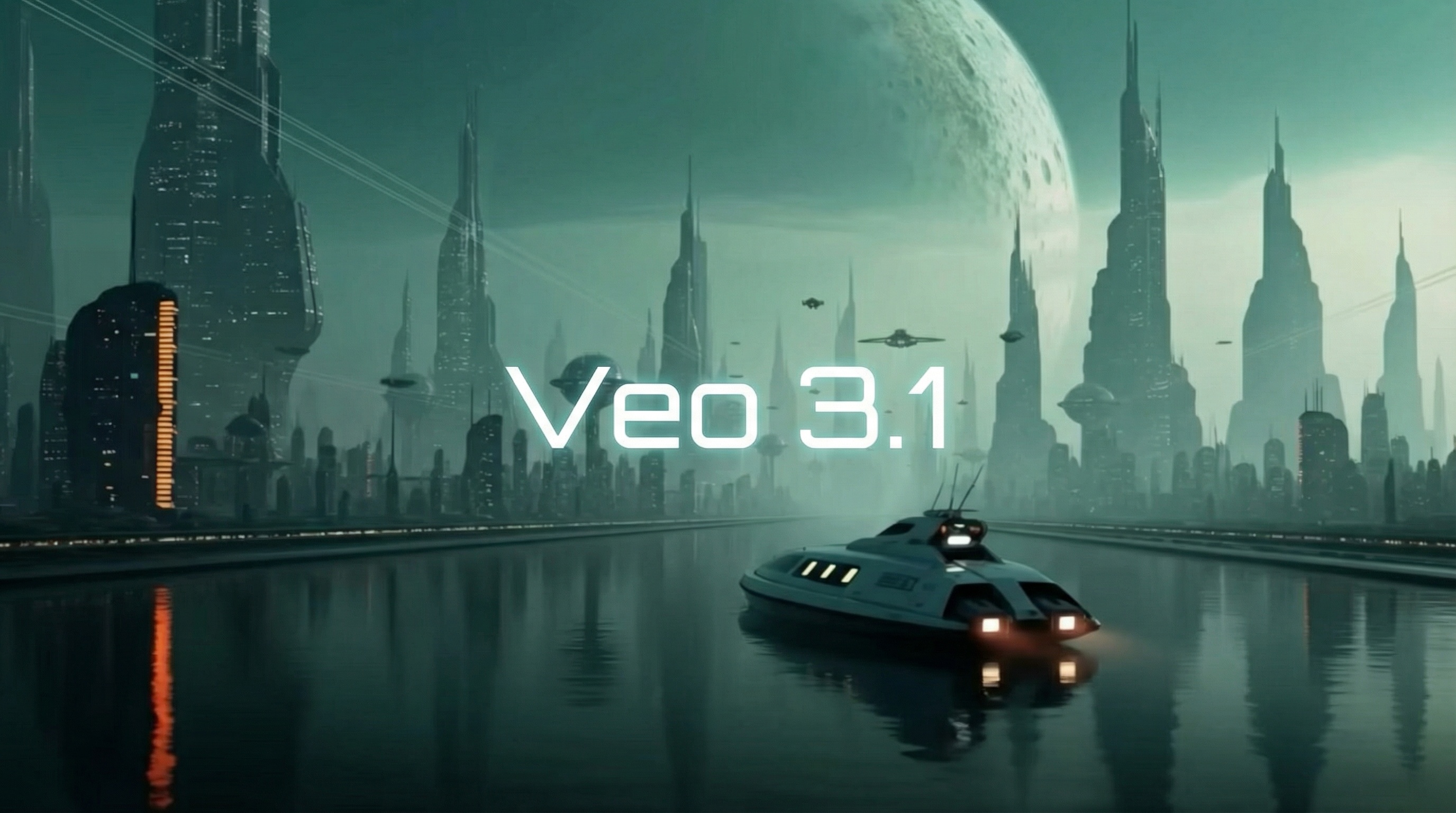
If you’ve ever wanted to create a video from an ordinary image and have it instantly ready for TikTok or YouTube Shorts, Google has just taken a major step in that direction. Its Veo 3.1 model has received an update that makes it possible to generate videos directly in a vertical 9:16 format based on reference images. This means you don’t need to crop anything in an editing program—everything comes out exactly as you need it for mobile platforms. This new feature was introduced on January 13, 2026, and is available in Gemini, YouTube Shorts, and YouTube Create.
Ingredients to Video
Ingredients to Video is a tool in Veo 3.1 that takes up to three reference images—such as a character, background, or texture—and uses them to create a video. Now it’s even better: videos are more expressive and dynamic, even if you only enter a short description. For example, characters have richer facial expressions and movements, which helps with storytelling. Google emphasizes that consistency has improved—a character looks the same across different scenes and environments, objects do not change randomly, and textures remain consistent. This makes it easy to combine elements from different images into a single video, giving creators greater control.
We’re updating Veo 3.1 Ingredients to Video to help create more expressive and dynamic clips, produce better visual consistency and more. 📽️
— Google DeepMind (@GoogleDeepMind) January 13, 2026
Here’s what’s new 🧵 pic.twitter.com/kkA12EAd9I
Vertical Videos Directly from Images
Previously, you could create vertical videos only from text descriptions, but now you can also use reference images. That’s great for those who create content for social media. Simply select the 9:16 format, and the video is ready without any additional editing. This feature is also appearing in YouTube Shorts and YouTube Create for the first time, where you can use it right away. According to information shared by Google DeepMind on Twitter, it helps create more expressive clips with better visual quality.
Upscaling to Higher Resolutions
Another major improvement is enhanced resolution upscaling. Veo 3.1 can now upscale videos to 1080p or even 4K, which is ideal for professional use. This option is available in Flow, the Gemini API, and Vertex AI in Google Cloud. Logan Kilpatrick, who wrote about it on Twitter, mentioned that consistency when using ingredients (reference images) has improved and that support for vertical videos is now fully integrated.
Availability
These new features are available across several Google services. Regular users can access them in the Gemini app, where they can experiment with short descriptions and images. Professionals will appreciate them in the Flow editor, Google Vids, or through the developer API. Google also embeds SynthID digital watermarks in generated videos to make it clear that they are AI-generated content. Jess Weatherbed of The Verge noted that videos now match reference images more closely, including those in portrait orientation.
Imagine you have a photo of your favorite character and want to turn it into a short video with dialogue or movement—Veo 3.1 can do this more accurately than before. TechCrunch described how the update makes it possible to blend characters, backgrounds, and objects into a cohesive output. And for those who create content on mobile devices, vertical support is a huge time-saver. Overall, it makes AI video creation more accessible both to casual users and to those who take it seriously.


