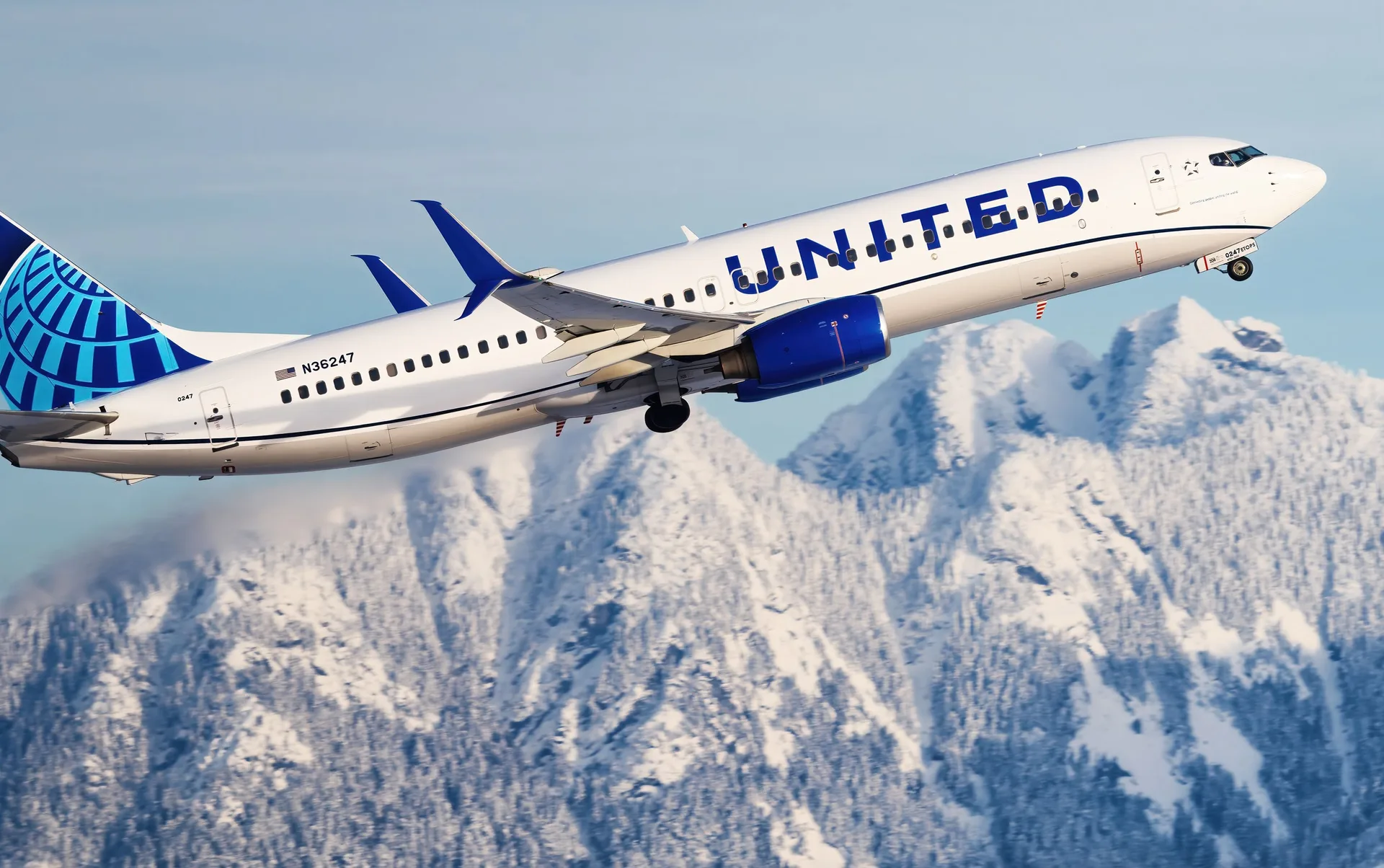
American company United Airlines has taken a step that no other major U.S. airline has yet dared to take. It has banned AI agents and personal assistants from purchasing tickets and managing reservations on behalf of their users. The company says the move is intended to protect cybersecurity and avoid violating federal regulations.
The restrictions apply to United's website and app, as well as to travel agencies and comparison sites through which flights are sold. As a result, the carrier is rewriting its rules for reservations, ticketing, and distribution, and is also updating its help page. The ban applies to tools such as Muse and Instinct.
Passwords in the Hands of a Robot
United sees the sharing of login credentials as the main problem. When someone entrusts their password to an AI assistant, sensitive information may be exposed, and the bot could inadvertently purchase a ticket, change account settings, or spend miles from the MileagePlus loyalty program.
Second, federal regulations require passengers themselves to confirm at check-in that their baggage does not contain dangerous items, such as explosives. John Gradek, who teaches aviation risk management at McGill University, agrees with the airline. According to him, a specific person must be responsible for the bag, and if an AI agent provided the confirmation, it would violate the rules.
Banks Lead by Example
United is not alone. Airlines and banks are finding it increasingly difficult to distinguish a real customer from an AI system acting on their behalf, for example when users disclose their access codes to it. Last week, Bank of America urged clients not to entrust their passwords to AI assistants. Retail chains have taken a similar approach.
Gradek compares loyalty points to currency. He says airlines fear that bots could serve as a back door into their systems and drain people's accounts. Loyalty programs have been popular targets for hackers for several years because they are highly lucrative.
Competitors Leave the Decision to Customers
Delta, American, and JetBlue are taking the opposite approach. They allow reservations through AI, but the customer bears the risk. Delta allows an assistant to make purchases if it logs in using SkyMiles credentials, and the passenger is responsible for everything the bot does. American is still considering how to work with AI companies. JetBlue President Marty St. George said at an industry conference that the airline should accommodate what customers want.
In Europe, the approach is even more accommodating. Low-cost airline easyJet has integrated reservations and flight tracking directly into the ChatGPT mobile app. Expedia, Booking, and TripAdvisor have been working with OpenAI since last year.
Gradek describes the current situation as the Wild West and expects the market to slow down only after one or two major incidents. According to him, it is no longer a question of whether they will happen, but when. However, opposition to AI shoppers also has less noble motives. Tyler Morse, CEO of hotel chain MCR, would like to ban them because they shop more rationally than people and cannot be enticed into buying more expensive services.
Sources: techcrunch.com, forbes.com and nytimes.com