Trump's Chip Deal with China: Demands 15% of Chip Sales in China
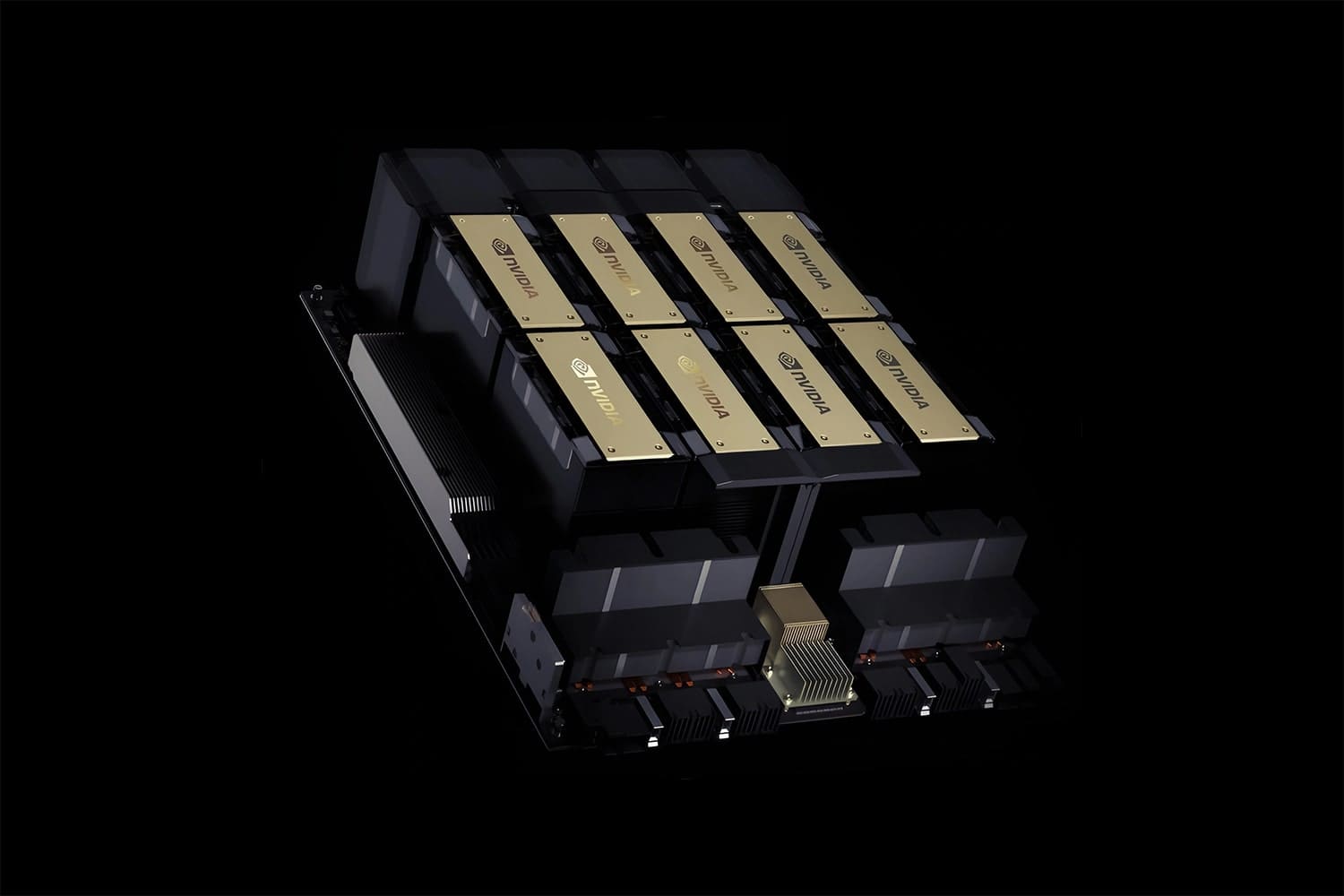
The agreement allows Nvidia to sell its H20 accelerators (chips) and AMD to sell its MI308 chips in the Chinese market. According to estimates, the US government could receive around one billion dollars per quarter if sales return to previous levels. This arrangement follows a period of restrictions during which the US banned the sale of advanced AI chips to China in April due to escalating trade tensions, but lifted the ban in July. Experts point out that this is an unprecedented move in US trade and technology policy, intended to address national security concerns regarding China's access to advanced semiconductors.
China's Response: Concerns About Security and Backdoors
China has not responded enthusiastically to this agreement. According to a report by Reuters, Chinese state media, including the Yuyuan Tantian account affiliated with broadcaster CCTV, have expressed serious concerns about the security of Nvidia's H20 chips. The account stated on the WeChat platform that H20 chips are not technologically advanced, are not environmentally friendly, and, above all, pose a security risk to China. Specifically, concerns have been raised about possible "backdoors" that could enable functions such as remotely disabling the chips through hardware.
On July 31, China's cyberspace regulator summoned Nvidia representatives to explain whether the H20 chips contain any hidden methods for bypassing security controls. Nvidia dismissed these concerns and stated that its products have no backdoors enabling remote access or control. People's Daily, another Chinese state media outlet, expressed a similar view, stating in a commentary in early August that Nvidia must provide "convincing evidence of security" to regain the trust of Chinese users. Yuyuan Tantian concluded in the article that if a chip is neither environmentally friendly, advanced, nor secure, consumers have the right not to buy it.
Impact on the Global Chip Market
This agreement is not just about Nvidia and AMD—there is speculation about possible negotiations with other manufacturers, such as Intel, although these have not yet been confirmed. According to web search sources, this move represents a new form of export controls that could affect the entire global semiconductor market. China, which views the 15 percent payment as a kind of "chip tax," is unlikely to be pleased that it is indirectly financing the US government through purchases of these technologies.
The entire situation is exacerbating the growing tensions between the US and China in the fields of artificial intelligence and technology. Nvidia developed the H20 chips specifically for the Chinese market following US export restrictions introduced in late 2023, but it now faces criticism from Beijing. While the US sees the agreement as a way to protect national interests and raise revenue, China views it as another obstacle to accessing advanced technologies. The future will show how this unusual model develops and whether it leads to further changes in international trade in high-tech products.