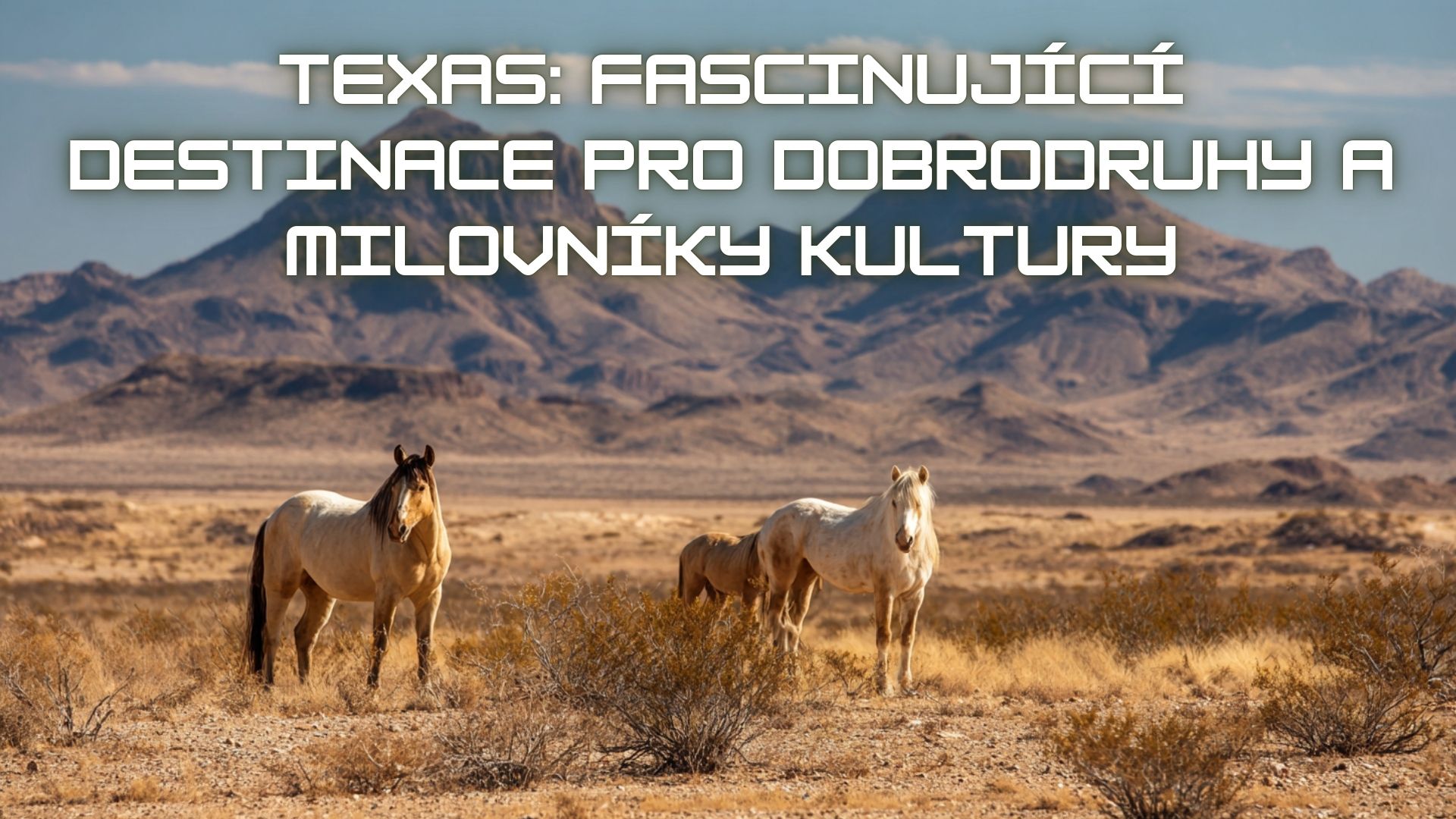
Texas is one of the most fascinating states in the USA, combining a rich history, stunning natural diversity, and a dynamic economy. This guide will provide you with a comprehensive overview of the second-largest and second-most populous state in the Union—from its turbulent history and iconic metropolises to the unique culture that has developed here over the centuries.
Basic facts about Texas
Texas is the second-largest U.S. state, located in the south of the country. It borders Mexico along the Rio Grande, and its coastline is washed by the waves of the Gulf of Mexico. With a population exceeding 31 million, it is one of the most dynamically growing regions of the United States of America.
Texas covers approximately 695,662 to 696,241 km², making it the second-largest U.S. state by area after Alaska. To put this into perspective, Texas is almost nine times larger than the Czech Republic, and several European countries could fit within its territory.
The state capital is Austin, which serves as its political and educational center. However, the largest city is Houston, followed by San Antonio, Dallas, and Fort Worth. These metropolises form the economic and cultural heart of the entire region.
Texas bears the nickname “The Lone Star State,” which refers to the period when it existed as the independent Republic of Texas from 1836 to 1845. The lone star on the flag symbolizes the independence and determination of the people of Texas.
Texas has a strategically advantageous geographical location. It borders Louisiana and Arkansas to the east, Oklahoma to the north, and New Mexico to the west. The southern border is formed by the Rio Grande, which separates Texas from Mexico, while the southeastern coastline runs along the Gulf of Mexico.
|
Parameter |
Information |
|---|---|
|
Area |
695,662–696,241 km² |
|
Population |
approx. 31.7 million (2025) |
|
Capital |
Austin |
|
Largest city |
Houston |
|
Admission to the Union |
December 29, 1845 |
|
Order of admission |
28th state |
|
Time zones |
Central (CST) and Mountain (MST) |
|
Nickname |
The Lone Star State |
History of Texas
Texas history is a fascinating mosaic of cultures and events, bringing together Indigenous tribes, Spanish and Mexican rule, a period as an independent republic, and subsequent incorporation into the United States. This region underwent dramatic transformations that shaped its unique identity.
Pre-Columbian period
Before the arrival of Europeans, dozens of Indigenous tribes inhabited the territory of present-day Texas. Among the most prominent were the Caddo in the east, who practiced agriculture and built permanent settlements. The nomadic Comanche and Apache dominated the prairie regions and were renowned as skilled horsemen and warriors. These tribes developed complex social structures and trade networks spanning thousands of kilometers.
Arrival of Europeans
The first Europeans reached the Texas coast in 1519, when Spanish navigator Alonso Álvarez de Pineda mapped the Gulf of Mexico coastline. This was followed in 1528 by the ill-fated expedition of Álvar Núñez Cabeza de Vaca, who spent eight years traveling across the American Southwest. The territory was incorporated into the Spanish Viceroyalty of New Spain, although actual colonization progressed slowly.
Mexican era and American colonization
In 1821, Mexico gained independence from Spain, and Texas became part of the new state. The Mexican government encouraged an influx of Anglo-American settlers to populate the sparsely inhabited territory. Stephen F. Austin, known as the “Father of Texas,” led the first organized colony of American immigrants beginning in 1825. Over the following decade, the number of Anglo-American settlers increased dramatically.
Texas Revolution
Growing tensions between the Mexican government and American settlers culminated in open conflict. On March 2, 1836, Texas revolutionaries declared independence. The most famous episode of the war was the Battle of the Alamo, which took place from February to March 1836 in San Antonio. Although the defenders of the fort were overwhelmed by superior Mexican forces, their sacrifice became a symbol of Texas resistance.
The decisive victory came on April 21, 1836, at San Jacinto, where the Texas army under Sam Houston defeated the Mexican forces of General Santa Anna. The battle lasted only eighteen minutes and secured Texas’s de facto independence.
Republic of Texas (1836–1845)
For the next nine years, Texas existed as an independent republic with its own president, parliament, flag, and institutions. Sam Houston and Mirabeau B. Lamar alternated in the presidency. The republic faced financial problems, threats from Mexico, and conflicts with Indigenous tribes, yet it maintained its independence.
Annexation by the United States
On December 29, 1845, Texas became the 28th state of the United States. This step triggered the Mexican–American War (1846–1848), which ended with the Treaty of Guadalupe Hidalgo. The treaty confirmed the Rio Grande as Texas’s southern border with Mexico.
The Compromise of 1850 brought significant territorial changes. Texas relinquished part of its territory—present-day portions of New Mexico, Colorado, Wyoming, Kansas, and Oklahoma—in exchange for the payment of $10 million in the republic’s debts.
From the Civil War to the modern era
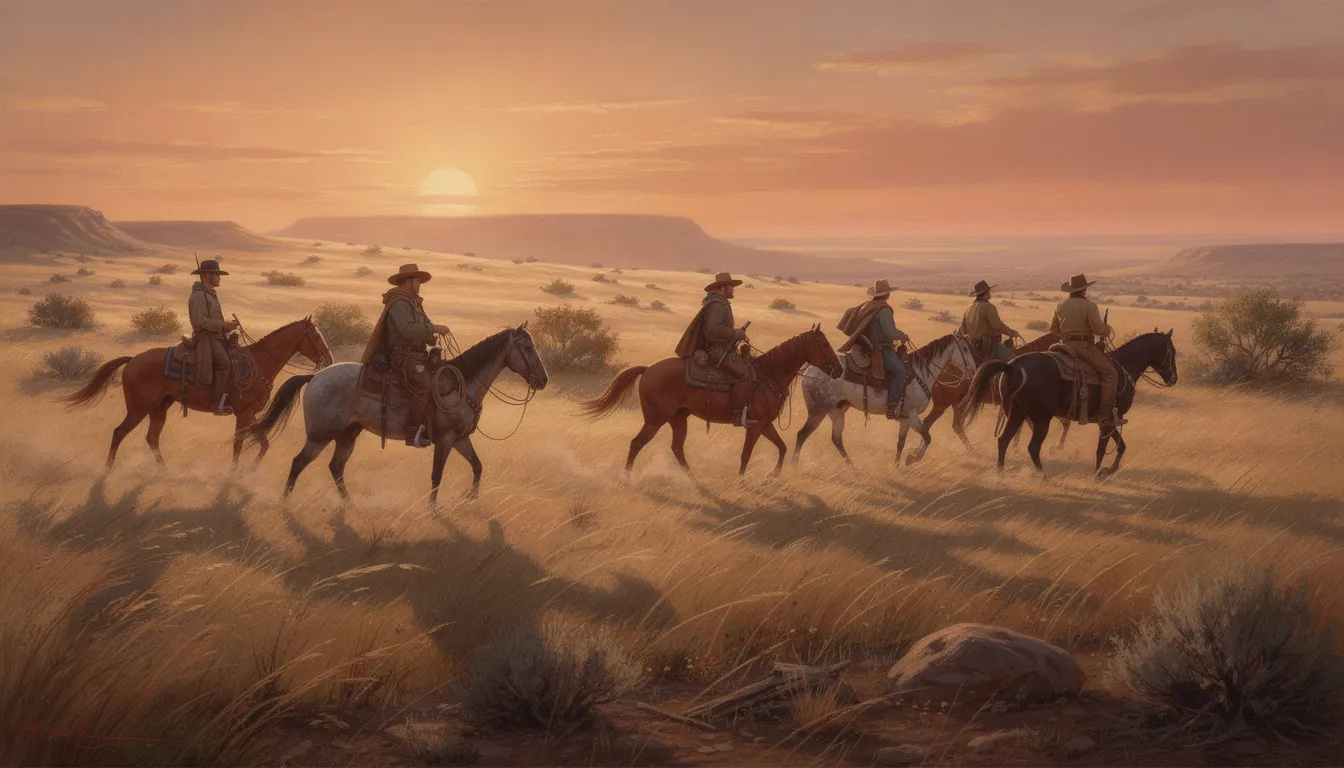
In 1861, Texas seceded from the Union and joined the Confederacy. The defeat of the South was followed by Reconstruction and a gradual return to federal structures. The late 19th century ushered in the era of cattle, cotton, and legendary cowboys driving herds along famous routes such as the Chisholm Trail.
A turning point in modern history came on January 10, 1901, when oil gushed from the Spindletop well near Beaumont. This discovery launched the Texas oil boom and transformed an agrarian state into an industrial powerhouse. The postwar period brought economic diversification, technological development, and massive population growth that continues to this day.
Texas flag and state symbols
Texas has a distinctive visual identity that reflects its unique history. The Lone Star Flag, the state seal, the anthem, and a wide range of official symbols form a rich mosaic of Texas identity.
The Lone Star Flag
The Texas flag, known as the “Lone Star Flag,” was adopted on January 25, 1839, during the Republic of Texas period. Its design is simple yet striking:
-
Aspect ratio: 2:3
-
A vertical blue stripe on the left contains a large white five-pointed star
-
Two horizontal stripes—white on top and red on the bottom—fill the rest of the flag
The symbolism of the colors follows the American tradition: blue represents loyalty, white purity, and red courage. The lone star symbolizes unity and independence—a reminder that Texas was the only U.S. state that had previously existed as an independent republic.
The nickname The Lone Star State
The nickname “The Lone Star State” is more than just a poetic designation. It refers to the period from 1836 to 1845, when Texas functioned as a sovereign nation. The star on the flag symbolized Texans’ determination to fight for freedom and their ability to stand independently among the nations of the world.
Great Seal of the State of Texas
The state seal contains several symbolic elements:
-
A five-pointed star in the center
-
An olive branch symbolizing peace
-
An oak branch representing strength
-
The year 1845 marking admission to the Union
State anthem
“Texas, Our Texas” became the official anthem in 1929. It was written by William J. Marsh and Gladys Yoakum Wright, who composed the song in 1924. After Alaska joined the United States in 1959, the lyrics were revised—the original reference to Texas as the “largest state” was changed to the “boldest and grandest.”
Other official symbols
-
State tree: Pecan (Carya illinoinensis), adopted in 1919
-
State flower: Texas bluebonnet (Lupinus texensis), adopted in 1901
-
State fruit: Texas red grapefruit, adopted in 1993
-
State dish: Chili con carne, adopted in 1977
-
State sport: Rodeo, adopted in 1997
-
State reptile: Texas horned lizard (Phrynosoma cornutum), adopted in 1993
-
State bird: Northern mockingbird (Mimus polyglottos)
-
State insect: Monarch butterfly
Geography and climate of Texas
Texas amazes with its immense size and geographical diversity, which is unparalleled in the United States. From the humid coastal marshes of the Gulf of Mexico and the rolling hills of the Hill Country to the desert mountains of West Texas, this state offers virtually every type of landscape except tropical rainforests.
Physical geographic regions
Gulf Coastal Plain – The coastal lowland extending inland from the Gulf of Mexico includes wetlands, marshes, coastal prairies, and low hills. This region is home to Texas’s largest cities, including Houston and San Antonio.
Central Texas / Hill Country – The hilly landscape in the center of the state features limestone cliffs, clear rivers, and lakes. German and Czech settlement left a distinctive cultural mark here.
Great Plains – The northern plains, including the region known as the “Panhandle,” are vast prairies suitable for raising cattle and growing grain.
Trans-Pecos – The mountainous and desert region of West Texas offers the most dramatic scenery, including Big Bend and Guadalupe Mountains national parks.
Coastline and islands
The Gulf of Mexico coastline measures approximately 590–600 km. The most notable islands and resorts include:
-
Galveston Island with its historic resort
-
South Padre Island, popular for spring break
-
Padre Island National Seashore—the longest barrier island in the United States
Rivers and bodies of water
|
River |
Length |
Significance |
|---|---|---|
|
Rio Grande |
3,051 km |
State and international border with Mexico |
|
Red River |
2,190 km |
Northern border with Oklahoma |
|
Brazos River |
1,352 km |
Longest river entirely within Texas |
|
Colorado River of Texas |
1,438 km |
Flows through Austin |
|
Sabine River |
893 km |
Eastern border with Louisiana |
Texas has more than 3,700 named streams and rivers and over 7,000 artificial reservoirs built for irrigation, water supply, and recreation.
Mountains
The highest peaks are located in West Texas:
-
Guadalupe Peak (2,667 m above sea level)—the highest mountain in Texas, in Guadalupe Mountains National Park
-
Davis Mountains—a volcanic mountain range containing McDonald Observatory
-
Chisos Mountains—the heart of Big Bend National Park
Climate conditions
Texas’s climatic diversity reflects its geographical breadth:
-
East: Humid subtropical climate with hot summers and mild winters
-
West: Semi-arid to desert climate with extreme temperature fluctuations
-
North (Panhandle): Continental influences with colder winters
-
Coast: Tropical influences from the Gulf of Mexico
Typical weather by season:
-
Summer: Hot, often above 35°C and in some areas above 40°C
-
Winter: Mild in the south (5–15°C), colder and occasionally snowy in the Panhandle
-
Spring and fall: The most pleasant times to visit
Extreme weather events
Texas faces a range of natural disasters:
-
Hurricanes—especially along the coast; Hurricane Harvey (2017) caused catastrophic flooding in Houston
-
Tornadoes—North and Central Texas lie within the area known as Tornado Alley
-
Droughts—a recurring problem, especially in western regions
-
Flooding—flash floods pose a serious risk
When is the best time to visit Texas? The ideal periods are spring (March–May) and fall (September–November), when temperatures are pleasant and the risk of extreme weather is lower.
Population and culture of Texas
Texas is the second-most populous U.S. state, with a highly diverse ethnic and cultural composition. According to the latest data, the population reached 31.7 million in 2025, representing an increase of almost 2.6 million people since the 2020 census.
Demographic data
The population density is approximately 35 inhabitants per km², a relatively low figure due to the state’s enormous size. However, most of the population is concentrated in metropolitan areas:
-
The Interstate 35 corridor (San Antonio–Austin–Dallas)
-
The Gulf of Mexico coast (Houston, Corpus Christi)
-
The Dallas–Fort Worth Metroplex
From 2020 to 2025, Texas gained 2.6 million residents. More than two-thirds of this growth came from domestic and international migration, making Texas a leading destination for migrants within the United States.
Ethnic composition
|
Ethnic group |
Share of population |
|---|---|
|
White |
53.93% |
|
Hispanic/Latino |
approx. 38–40% |
|
African American |
12.23% |
|
Asian |
5.34% |
|
Other and multiracial population |
approx. 8–10% |
The Hispanic population is the fastest-growing group. Hispanics already constitute the largest ethnic group among residents under the age of 25 and, according to projections, will predominate in all age categories by 2050.
The African American community (approximately 3.9 million) is concentrated primarily in the Greater Houston, Dallas–Fort Worth, and San Antonio metropolitan areas, as well as East Texas cities such as Tyler and Beaumont.
Czech and Moravian community in Texas
Special mention should be made of the large community of residents of Czech, Moravian, and Silesian origin, numbering up to half a million people. Traditional centers of Czech settlement are located in:
-
The area around Waco
-
La Grange and Fayette County
-
The town of West (famous for Czech pastries)
-
Praha, Texas
-
Hostyn, Fayetteville, Dubina
Czech festivals such as Westfest and the Czech Heritage Festival keep traditions alive. Texas kolaches have become part of the local cuisine, and bakeries offering Czech specialties can be found throughout the state.
Religious composition
Christianity dominates religious life in Texas:
-
Protestants (especially Baptists and Methodists) form the largest group
-
Catholics constitute a significant minority, particularly among the Hispanic population
-
Religious diversity is growing in major cities, including Jewish, Muslim, and Buddhist communities
Cultural identity
Texas culture is a unique fusion of several traditions:
-
Tex-Mex and Tejano culture in border regions combines Mexican and American influences
-
Western and cowboy traditions remain alive in rodeos, on ranches, and in everyday life
-
European heritage—German, Czech, Polish, and Scandinavian communities brought their own traditions
-
Southern hospitality characterized by warmth and community spirit
Music scene
Texas is the birthplace of many musical genres:
-
Country and honky-tonk—Willie Nelson, George Strait
-
Blues and jazz—the Deep Ellum district in Dallas
-
Tejano and conjunto—accordion music influenced by Czech and Polish polka
-
Rock and alternative—Austin as the “Live Music Capital of the World”
The Fort Worth Stockyards offer an authentic Western atmosphere with live music, while Austin comes alive with music clubs virtually every night.

Major cities and metropolitan areas
The economic and cultural heart of Texas lies in its major metropolitan areas, arranged along an imaginary “Texas Triangle” connecting Houston, Dallas–Fort Worth, and San Antonio–Austin. Approximately two-thirds of all Texans live in these regions.
Houston
Houston is the largest city in Texas and the fourth-largest in the entire United States. More than 2.3 million people live within the city proper, while the Greater Houston metropolitan area exceeds 7 million.
Key characteristics:
-
Center of the oil and gas industry
-
NASA Johnson Space Center—mission control center for crewed spaceflight
-
Texas Medical Center—the largest medical center in the world
-
Port of Houston—one of the busiest ports in the United States
-
Exceptional ethnic diversity and an international culinary scene
Harris County, of which Houston is the center, grew from 3.4 million residents in 2000 to more than 5.2 million in 2025.
San Antonio
San Antonio is the historic heart of Texas, with a distinctive Hispanic character. The city is home to the legendary Alamo, a symbol of Texas independence.
Key characteristics:
-
The Alamo—the most visited historic landmark in Texas
-
River Walk—a riverside promenade with restaurants and shops
-
San Antonio Missions—a UNESCO World Heritage Site
-
Military bases (Joint Base San Antonio)
-
Rapidly growing metropolitan area
Dallas
Dallas is the economic and financial center of North Texas, the headquarters of many corporations, and a major cultural hub.
Key characteristics:
-
Financial center with many Fortune 500 company headquarters
-
Sixth Floor Museum at Dealey Plaza—the site of the assassination of President J. F. Kennedy
-
Arts District—the largest urban cultural district in the United States
-
Deep Ellum—a district with a vibrant live music scene
-
Dallas Cowboys—legendary NFL football team
Fort Worth
Fort Worth, nicknamed “Cowtown,” has preserved an authentic Western atmosphere more than any other major Texas city.
Key characteristics:
-
Stockyards National Historic District—daily cattle drives
-
Rodeos and cowboy traditions
-
Cultural district with renowned museums (Kimbell Art Museum, Modern Art Museum)
-
Billy Bob’s Texas—the world’s largest honky-tonk
Austin
Austin serves as the state capital as well as a dynamic technology and cultural center.
Key characteristics:
-
Seat of the state government and the Capitol
-
“Silicon Hills”—technology sector (originally Dell)
-
University of Texas at Austin—a leading research university
-
“Live Music Capital of the World”—hundreds of music clubs
-
South by Southwest (SXSW)—renowned music, film, and technology festival
-
Barton Springs Pool—a natural swimming pool in the heart of the city
Ten largest cities in Texas
|
Rank |
City |
Population (2023 estimate) |
|---|---|---|
|
1 |
Houston |
2,304,000 |
|
2 |
San Antonio |
1,495,000 |
|
3 |
Dallas |
1,304,000 |
|
4 |
Austin |
1,018,000 |
|
5 |
Fort Worth |
958,000 |
|
6 |
El Paso |
678,000 |
|
7 |
Arlington |
394,000 |
|
8 |
Corpus Christi |
317,000 |
|
9 |
Plano |
292,000 |
|
10 |
Lubbock |
264,000 |
The Dallas–Fort Worth Metroplex and Greater Houston metropolitan areas are among the fastest-growing in the entire United States. Collin, Montgomery, Tarrant, and Fort Bend counties regularly rank among the nation’s top 10 for both numerical and percentage population growth.
Economy, industry, and technology
Texas has one of the strongest economies in the United States and the world. If it were an independent country, its GDP would rank it among the ten largest economies on the planet. A combination of a favorable tax environment, abundant natural resources, and a dynamic business sector attracts companies and workers from across America.
Oil and gas industry
The history of the Texas economy is inseparably linked to oil. The discovery of oil at the Spindletop well on January 10, 1901, launched an era that transformed an agrarian state into an industrial giant.
Current position:
-
Texas is the largest producer of oil and natural gas in the United States
-
The state produces approximately 40% of U.S. oil
-
The Permian Basin in West Texas is one of the most productive oil regions in the world
-
The Eagle Ford Shale in the south contributes significant production
-
Refineries along the Gulf of Mexico process oil from across the Americas and abroad
Agriculture
Texas agriculture remains economically significant:
-
Cotton: Texas produces approximately one-quarter of the national crop
-
Cattle ranching: The largest number of cattle in the United States
-
Poultry: Significant production of chickens and eggs
-
Grain: Wheat, corn, sorghum
-
Citrus fruit: The Rio Grande Valley produces grapefruit and oranges
Energy
Texas is surprisingly a leader in renewable energy:
-
Wind energy: First in the United States in electricity generation from wind
-
Extensive wind farms in West and North Texas
-
Growing solar capacity
-
Independent ERCOT power grid
Technology sector
Silicon Hills (Austin):
-
Dell Technologies has its roots here
-
Offices of companies such as Apple, Google, Facebook, and Amazon
-
Dynamic startup scene
-
Support from the University of Texas
Silicon Prairie (Dallas–Fort Worth):
-
Texas Instruments—a pioneer of the semiconductor industry
-
AT&T—telecommunications giant
-
Telecommunications and IT companies
Economic diversification
The modern Texas economy encompasses many more industries:
|
Industry |
Examples |
|---|---|
|
Aviation and aerospace |
NASA, Lockheed Martin, SpaceX (Boca Chica) |
|
Healthcare |
Texas Medical Center, MD Anderson Cancer Center |
|
Logistics and trade |
Ports, highway network, railroads, distribution centers |
|
Finance |
Major banks, insurance companies, investment firms |
|
Manufacturing |
Automotive plants, electronics, chemical industry |
The median household income in Texas is approximately $79,721, which, together with the absence of a state income tax, increases the state’s attractiveness to workers and businesses.
Transportation and infrastructure
Texas has one of the most extensive transportation networks in the United States, reflecting its size and economic importance. Efficient infrastructure is essential for connecting the vast distances between cities and supporting international trade.
Road network
-
More than 127,000 km of public roads and highways
-
Key interstate highways: I-10 (east–west), I-20, I-35 (north–south), I-45 (Houston–Dallas)
-
Toll roads in metropolitan areas
-
The highest speed limits in the United States—up to 137 km/h (85 mph) on some sections
-
A dense network of state and county roads connecting rural communities
Rail transportation
-
More than 22,000 km of track—the most extensive network in the United States
-
Primarily used for freight transportation:
-
Oil and natural gas
-
Agricultural products
-
Container transportation from ports
-
-
Limited passenger rail service (Amtrak, regional services)
-
Plans for a high-speed Dallas–Houston connection
Air transportation
Texas has the largest number of airports in the United States. Key international airports:
|
Airport |
Code |
City |
Note |
|---|---|---|---|
|
Dallas/Fort Worth International |
DFW |
Dallas–Fort Worth |
One of the largest in the world |
|
George Bush Intercontinental |
IAH |
Houston |
Hub for United Airlines |
|
Austin–Bergstrom International |
AUS |
Austin |
Rapidly growing |
|
San Antonio International |
SAT |
San Antonio |
Regional hub |
|
William P. Hobby |
HOU |
Houston |
Primarily domestic flights |
|
El Paso International |
ELP |
El Paso |
Border region |
Maritime transportation
Ports on the Gulf of Mexico coast are crucial to U.S. foreign trade:
-
Port of Houston—one of the busiest ports in the United States and a leader in handling foreign cargo
-
Port Arthur—a major oil terminal
-
Corpus Christi—a rapidly growing port for oil exports
-
Galveston—a historic port, now serving cruise ships
The canal network includes the Houston Ship Channel (an 80 km canal connecting Houston with the Gulf of Mexico) and the Gulf Intracoastal Waterway for coastal transportation.
Practical tips for travelers:
Renting a car is almost essential outside major cities
Distances are enormous—the distance from El Paso to Houston is greater than from Prague to Madrid
Texas uses two time zones: Central (most of the state) and Mountain (the western tip)
Domestic flights are often faster and cheaper than a long drive
Nature, national parks, and the outdoors
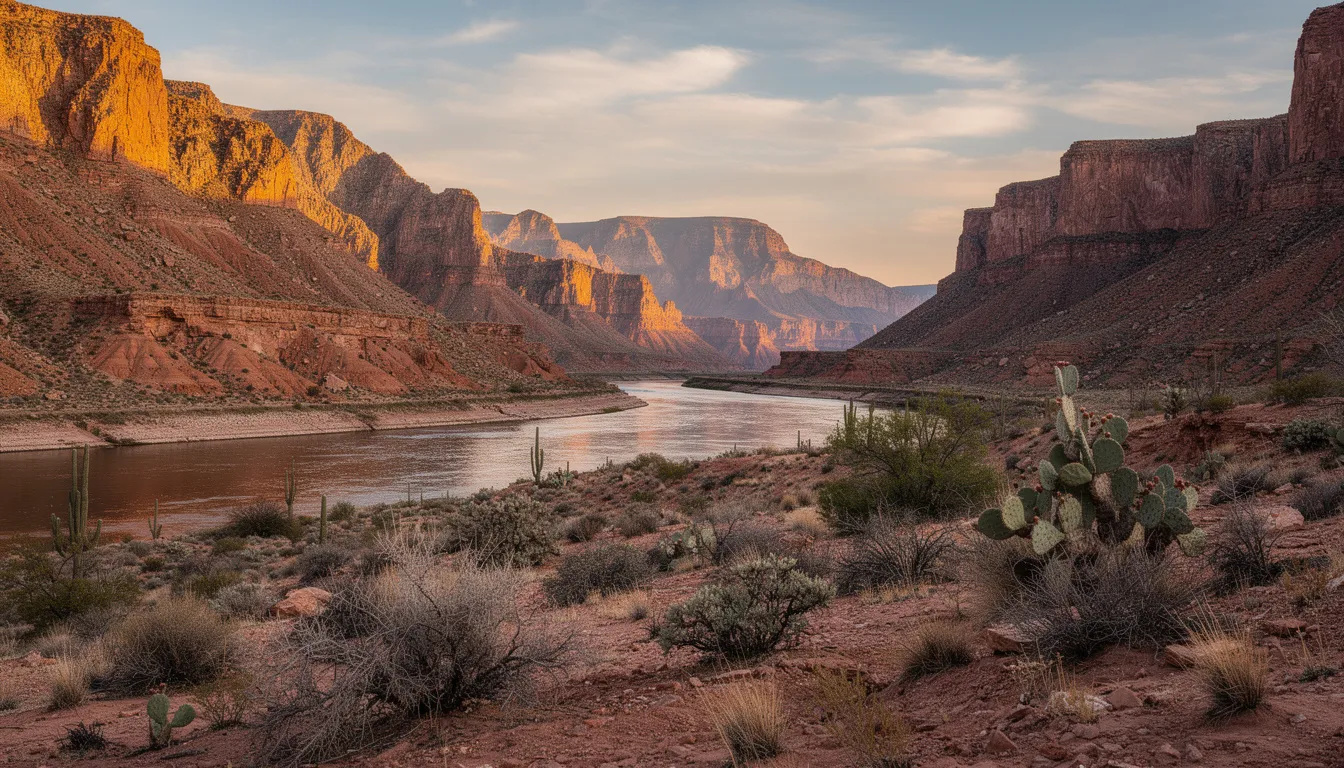
Texas offers surprisingly diverse natural scenery—from desert canyons and mountains in the west to humid wetlands and sandy beaches along the Gulf of Mexico. For enthusiasts of outdoor activities, hiking, camping, and wildlife watching, the possibilities are virtually unlimited.
Big Bend National Park
Big Bend is one of the most remote and wildest areas in the continental United States. The park lies on the border with Mexico along a dramatic bend in the Rio Grande.
What you will find here:
-
Desert landscapes contrasting with the Chisos Mountains
-
The highest peak, Emory Peak (2,385 m above sea level)
-
More than 240 km of hiking trails of all difficulty levels
-
Santa Elena and Boquillas canyons
-
Exceptionally dark skies—one of the best parks for stargazing in the United States
-
Camping options ranging from primitive campsites to a lodge
Guadalupe Mountains National Park
This park contains the highest mountain in Texas—Guadalupe Peak (2,667 m above sea level). The area is geologically fascinating as the remnant of an ancient coral reef.
Characteristics:
-
More demanding hiking trails requiring good fitness
-
El Capitan—an iconic limestone cliff
-
McKittrick Canyon—spectacular fall colors
-
Preparation is essential due to the challenging terrain and variable weather
-
Limited infrastructure—you must bring your own water and supplies
Palo Duro Canyon State Park
Known as the “Grand Canyon of Texas,” Palo Duro is the second-largest canyon in the United States. It is located in the Panhandle near Amarillo.
What it offers:
-
Lighthouse Trail—the most famous trail leading to the rock formation
-
Colorful sediment layers in red, orange, and yellow
-
Horseback riding and cycling
-
The outdoor musical “Texas” during the summer months
-
Recommendation: avoid the hottest summer months
Gulf of Mexico coast
The Texas coast offers miles of beaches and opportunities for water activities:
-
Galveston Island—a historic resort with the Pleasure Pier boardwalk
-
South Padre Island—a popular destination for spring break and sea turtle watching
-
Padre Island National Seashore—the longest undeveloped barrier island in the United States
-
Activities: swimming, fishing, bird and dolphin watching, windsurfing
Other natural destinations
-
Enchanted Rock—a massive granite dome in the Hill Country and a sacred site for Indigenous peoples
-
Brazos Bend State Park—wetlands with alligators and abundant birdlife near Houston
-
Lost Maples State Natural Area—fall colors in the Hill Country
-
Caddo Lake—the only natural lake in Texas, with cypress swamps
Practical information for visitors:
National parks charge admission fees (the annual America the Beautiful pass is worthwhile)
Book campsites in advance, especially on weekends and holidays
Expect extreme temperatures in summer and carry plenty of water
Watch out for venomous snakes (rattlesnakes) and insects
Culture, music, and lifestyle
Texas culture is a unique blend of Southern, Western, and Hispanic traditions. An emphasis on independence, hospitality, and a distinctive sense of humor are characteristic features of the Texas way of life, reflected in everything from everyday customs to spectacular festivals.
Cowboy and ranching traditions
Cowboy culture is not merely a tourist attraction in Texas—it is a living tradition that persists on thousands of ranches and in urban environments.
Rodeo as the state sport:
-
The first public rodeo was held on July 4, 1883, in Pecos
-
Houston Livestock Show and Rodeo—one of the largest rodeos in the world (more than 2 million visitors annually)
-
Fort Worth Stock Show and Rodeo—a tradition since 1896
-
San Antonio Stock Show and Rodeo
-
Events: bull riding, calf roping, barrel racing
Musical heritage
Texas is the birthplace of many musical genres and styles that have influenced American and global music.
Country and honky-tonk:
-
Willie Nelson—legendary singer from Austin
-
George Strait—the “King of Country”
-
Waylon Jennings and the outlaw country movement
-
Honky-tonk bars with live music every night
Blues and jazz:
-
Deep Ellum in Dallas—a historic blues district
-
Stevie Ray Vaughan—Texas blues virtuoso
-
Houston as a center of Gulf Coast blues
Tejano and conjunto:
-
Accordion music influenced by Czech and Polish polka
-
Selena—the “Queen of Tejano music”
-
Tejano music festivals in San Antonio
Austin—Live Music Capital of the World
Austin fully deserves its nickname:
-
More music clubs per capita than any other American city
-
6th Street—a street with dozens of music venues
-
South by Southwest (SXSW)—a music, film, and interactive media festival
-
Austin City Limits—a legendary television program and festival
-
Free live music virtually every evening
Tex-Mex cuisine and BBQ
Texas cuisine combines several influences:
Tex-Mex:
-
Fajitas, nachos, enchiladas, queso
-
A combination of Mexican ingredients with American style
-
Hot sauces and fresh tortillas
Texas BBQ:
-
Beef brisket—the flagship of Texas BBQ
-
Smoking over oak or mesquite wood
-
Legendary BBQ restaurants: Franklin Barbecue (Austin), Kreuz Market (Lockhart)
-
Chili con carne—the state dish since 1977
Czech and German heritage in the Hill Country
Central Texas preserves vibrant European traditions:
-
Fredericksburg—a German town with traditional restaurants and wineries
-
New Braunfels—Wurstfest (sausage festival) every fall
-
West—a center of the Czech community, famous for kolaches
-
Praha, Texas—a small town with Czech heritage
-
Polkas, waltzes, and traditional festivals
Texas lifestyle
Everyday life in Texas has its own distinctive features:
-
Large pickup trucks as common family vehicles
-
Cowboy hats and boots even in cities
-
Deep patriotism—the Texas flag everywhere
-
An emphasis on community and helping neighbors
-
“Y’all” as a common greeting
-
Friendly waving on the road
Education and universities in Texas
Education has played a key role in the state’s development from the very beginning. Mirabeau B. Lamar, the second president of the Republic of Texas, is known as the “Father of Texas Education” thanks to his efforts to establish a public education system in the 1830s.
Structure of higher education
Texas has a comprehensive higher education system that includes:
-
Six major state university systems
-
University of Texas System (14 institutions)
-
Texas A&M University System (11 institutions)
-
Dozens of independent public universities
-
Prestigious private universities
University of Texas at Austin
The flagship of the UT System and one of the largest universities in the United States.
Basic information:
-
Founded: 1883
-
Number of students: more than 50,000
-
Strong fields: engineering, computer science, law, business, arts
-
World-class research center
-
Home of the Longhorns—successful sports teams
Texas A&M University
The second-largest university in the United States by enrollment.
Basic information:
-
Founded: 1876 in College Station
-
Number of students: more than 70,000
-
Strong fields: engineering, agriculture, veterinary medicine, military studies
-
Corps of Cadets—one of the largest military cadet units outside the service academies
-
Strong “Aggie Spirit” tradition
Rice University
An elite private university in Houston.
Basic information:
-
Founded: 1912
-
Number of students: approximately 8,000
-
Strong fields: science, technology, engineering, architecture
-
Often referred to as the “Harvard of the South”
-
High level of research and smaller classes
Other major universities
|
University |
City |
Founded |
Approximate number of students |
Main fields |
|---|---|---|---|---|
|
Texas Tech University |
Lubbock |
1923 |
40,000 |
Engineering, agriculture |
|
University of Houston |
Houston |
1927 |
47,000 |
Business, law, optometry |
|
Southern Methodist University (SMU) |
Dallas |
1911 |
12,000 |
Business, law, arts |
|
Baylor University |
Waco |
1845 |
20,000 |
Medicine, law, theology |
|
Texas State University |
San Marcos |
1899 |
38,000 |
Education, healthcare |
Sports and leisure in Texas
Texas is a sporting powerhouse within the United States, with a deep tradition of American football, baseball, and other sports at both professional and amateur levels. Sport here is not merely entertainment—it is part of the cultural identity.
American football
Football is practically a religion in Texas. The tradition begins in high school and continues through college to the professional leagues.
Friday Night Lights:
-
Friday evenings belong to high school football
-
Entire communities gather in stadiums
-
Some high school stadiums hold more than 20,000 spectators
-
The inspiration for the book, film, and television series “Friday Night Lights”
College football:
-
Texas Longhorns (University of Texas at Austin)
-
Texas A&M Aggies
-
Baylor Bears, TCU Horned Frogs
-
The Texas vs. Texas A&M rivalry is among the oldest in the country
NFL teams:
-
Dallas Cowboys—“America’s Team,” founded in 1960, playing at AT&T Stadium in Arlington (capacity over 100,000)
-
Houston Texans—founded in 2002, playing at NRG Stadium
Professional leagues
|
League |
Team |
City |
Stadium/Arena |
|---|---|---|---|
|
MLB |
Texas Rangers |
Arlington |
Globe Life Field |
|
MLB |
Houston Astros |
Houston |
Minute Maid Park |
|
NBA |
Dallas Mavericks |
Dallas |
American Airlines Center |
|
NBA |
San Antonio Spurs |
San Antonio |
Frost Bank Center |
|
NBA |
Houston Rockets |
Houston |
Toyota Center |
|
NHL |
Dallas Stars |
Dallas |
American Airlines Center |
|
MLS |
FC Dallas |
Frisco |
Toyota Stadium |
|
MLS |
Houston Dynamo FC |
Houston |
Shell Energy Stadium |
|
MLS |
Austin FC |
Austin |
Q2 Stadium |
Rodeo as the state sport
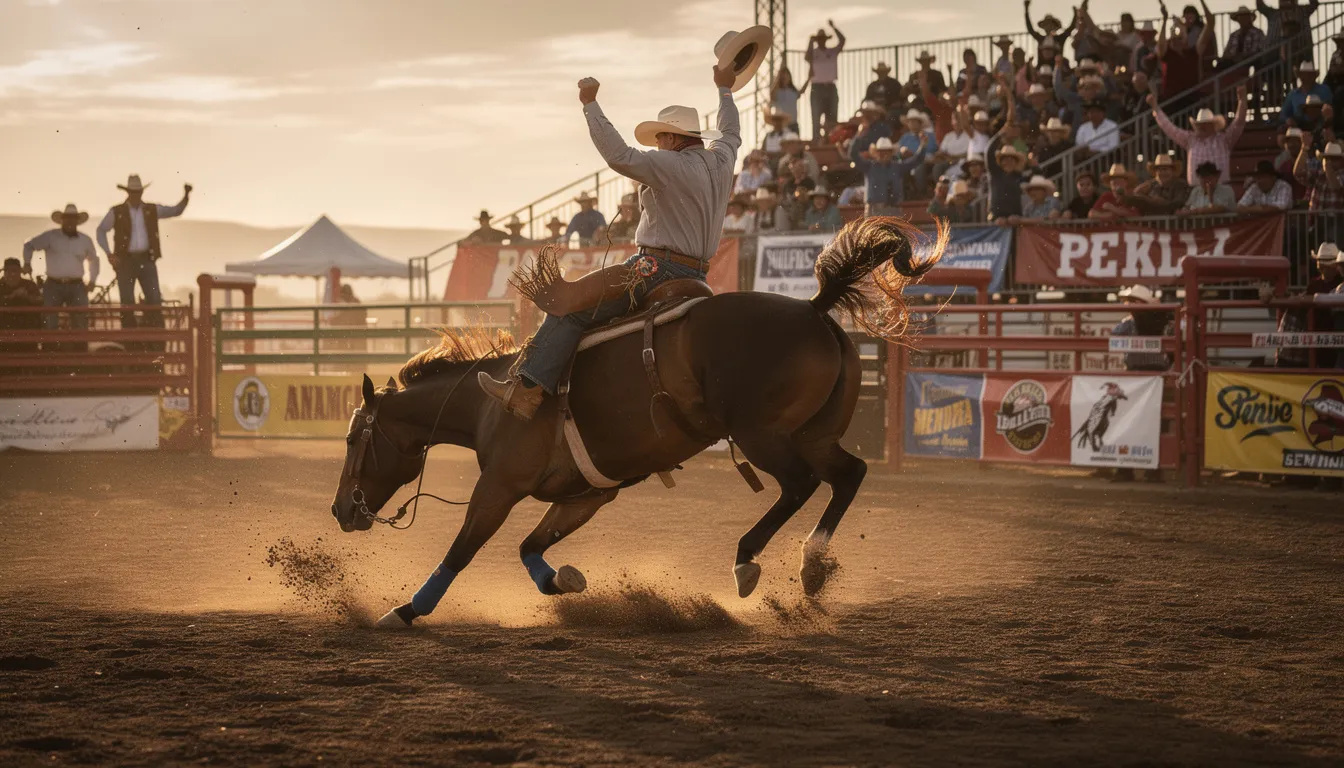
Rodeo was officially recognized as the state sport in 1997, although its tradition dates back to the 19th century.
History and the present day:
-
First public rodeo: July 4, 1883, in Pecos
-
Houston Livestock Show and Rodeo—the largest rodeo event in the world
-
Fort Worth Stock Show and Rodeo—a tradition since 1896
-
San Antonio Stock Show and Rodeo
Rodeo events:
-
Bull riding
-
Bronc riding (saddle bronc, bareback)
-
Calf roping
-
Barrel racing
-
Steer wrestling
Active leisure
Texas offers countless opportunities for outdoor activities:
-
Hiking and camping—national and state parks
-
Fishing—freshwater lakes and the seacoast (license required)
-
Hunting—deer, wild hogs, quail (regulated by hunting seasons)
-
Water sports—Lake Travis, Canyon Lake, Gulf Coast
-
Golf—hundreds of courses throughout the state
-
Cycling—a growing network of bike trails in cities
Where to experience the sporting atmosphere:
Friday night high school football in any Texas town
Dallas Cowboys at AT&T Stadium—the iconic “Jerry World”
Rodeo in Houston (March) or Fort Worth (January–February)
Astros baseball at Minute Maid Park with its retractable roof
College football in Austin or College Station
Conclusion: what more is there to say about Texas?
Texas is a fascinating state that combines a rich history extending from Indigenous tribes through Spanish colonization and an independent republic to a modern economic powerhouse. With a population exceeding 31 million and an area of nearly 700,000 km², it offers incredible diversity—from the desert canyons of Big Bend and the green hills of the Hill Country to bustling metropolises such as Houston, Dallas, and San Antonio.
Whether you are drawn to cowboy traditions and rodeos, Austin’s vibrant music scene, the technology boom of Silicon Hills, or want to discover Czech heritage in towns such as West and Praha, Texas has something to offer every visitor. The Lone Star State remains one of the most dynamic and attractive regions of the United States of America.
If you are planning a trip to the United States, add Texas to your list. And if you have Czech roots, do not forget to visit areas with vibrant Czech communities—you may find a piece of home in the middle of the American Southwest.