


Tesla Reports a Sharp Decline in Profits and Sales in the Second Quarter of 2025
If you follow developments around Tesla, you know that this electric vehicle giant is going through challenging times. In the second quarter of 2025, both profits and sales declined significantly, sparking plenty of discussion among investors and fans. Let's take a detailed look based on official data from Tesla's financial report. All figures come directly from their documents, so there is no speculation—just facts showing how the company is grappling with challenges such as tariffs, regulations, and market changes.
Financial Results: Decline in Revenue and Profits
Tesla's total revenue in Q2 2025 reached $22.496 billion, 12% less than in the same period last year, when it totaled $25.500 billion. This decline was mainly caused by lower sales in the automotive segment, where revenue fell by 16% to $16.661 billion. Notably, revenue from regulatory credits decreased from $890 million to $439 million, significantly affecting the overall picture.
As for profits, net income attributable to common stockholders (GAAP) was $1.172 billion, representing a 16% decline compared with $1.400 billion in Q2 2024. Non-GAAP net income was $1.393 billion, down 23%. Operating income fell even more dramatically—by 42% to $923 million, while the operating margin decreased to 4.1% from 6.3%. This decline was partly caused by higher operating expenses, which reached $2.955 billion, including research and development spending on AI and robotics, which rose to $1.589 billion.
Free cash flow plunged to just $146 million, 89% less than last year, while operating cash flow fell by 30% to $2.540 billion. Despite this, Tesla maintained a strong cash position, with $36.782 billion in cash, cash equivalents, and investments at the end of the quarter.
Vehicle Sales: Declining Deliveries
Tesla's vehicle sales in Q2 2025 fell by approximately 13.5%, close to the 14% decline reported in the media. Specifically, 384,122 vehicles were delivered, compared with 443,956 in Q2 2024. Models 3 and Y accounted for the largest share, with 373,728 deliveries (down 12%), while other models such as the S, X, and Cybertruck reached just 10,394 units, a decline of 52%.
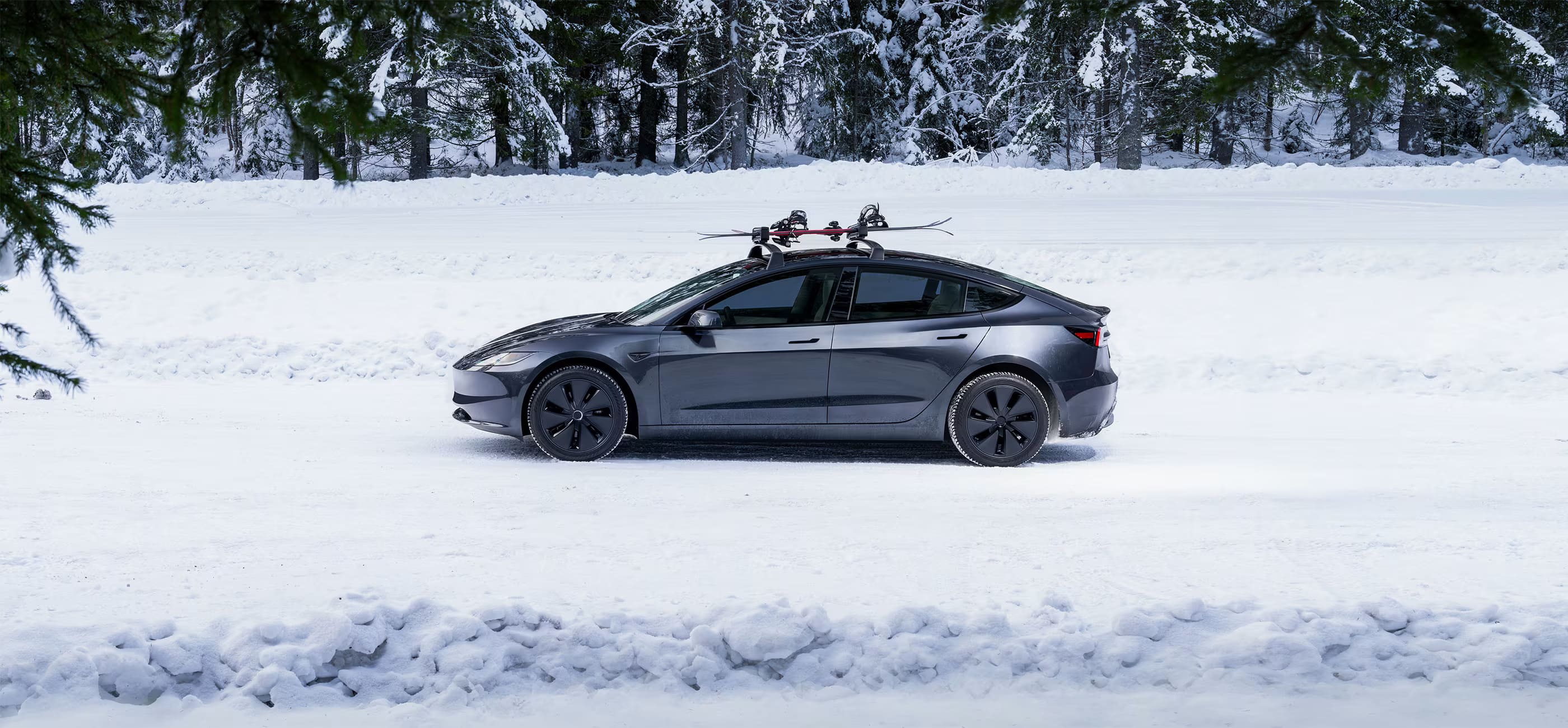
Vehicle production remained almost unchanged—410,244 units compared with 410,831 last year—but inventory increased, bringing days of supply to 24, up from 18 last year. This suggests that Tesla has more cars in stock than it is selling, which could be related to lower demand due to economic factors such as tariffs and changes in tax incentives.
Energy and Other Segments: Mixed Results
Not everything was bad. The energy generation and storage segment generated revenue of $2.789 billion, down 7% from $3.014 billion last year, but energy storage deployments reached 9.6 GWh, a slight increase of 2%. Gross profit in this segment rose to a record $846 million, thanks to products such as Megapack and Powerwall.
Services and other revenue rose by 17% to $3.046 billion, with gross profit improving by 64% sequentially. The Supercharger network expanded by 14% to 7,377 stations with 70,228 connectors, indicating growth in vehicle-related services.
Outlook and Challenges
Tesla acknowledges that short-term issues such as new legislation and tariffs are affecting its costs and demand. Nevertheless, it is investing in the future—for example, in the Robotaxi service in Austin, where the first vehicle was delivered autonomously, and in new models such as the Cybercab, with production planned for 2026. Trailing twelve-month (TTM) energy deployments reached record levels, indicating potential in this sector.
Overall, Q2 2025 shows that Tesla is going through a period of adjustment, but with a solid cash reserve and investments in AI and energy, it could soon reverse the trend. If you are an investor, keep an eye on the next quarter—it will be interesting!


