

Changes in Tesla's Leadership and Robotaxi Launch in Austin
Tesla has announced a significant leadership change in its ambitious Optimus humanoid robot project. Milan Kovac, who worked at Tesla for nearly a decade and had led the Optimus program as Vice President of Robotics since 2022, is leaving the company in early June 2025. Kovac originally joined Tesla's Autopilot team in 2016 and gradually rose to lead the robotics division.
Kovac publicly emphasized that his departure is entirely for personal reasons—he wants to spend more time with his family abroad. He explicitly denied any speculation about disagreements with management or internal issues, while expressing strong support for Elon Musk and the entire Tesla team. This reassurance comes at a time when Tesla is facing increased media scrutiny regarding the stability of its leadership.
Ashok Elluswamy Takes on Dual Responsibility
Milan Kovac's position will be taken over by Ashok Elluswamy, the current Vice President of AI Software and head of the Autopilot group. Elluswamy will now be responsible for both the continued development of the Full Self-Driving (FSD) system and the Optimus humanoid robot program. This consolidation of responsibilities under one experienced leader represents a strategic step toward better integration of autonomous technologies across Tesla's products.
Elluswamy is regarded as one of Tesla's leading artificial intelligence experts, and his experience with autonomous systems makes him a logical choice to lead the robotics program. His appointment aligns with Tesla's vision of connecting autonomous driving technologies with robotic applications, which could deliver significant synergies in future development.
A Historic Robotaxi Milestone Approaches
While Tesla addresses changes in its leadership, it is preparing for one of the most anticipated milestones in the history of autonomous transportation. On June 22, 2025, just ten days away, a robotaxi service is set to officially launch in Austin, Texas. However, this date is not final—Elon Musk has warned that it may be postponed depending on the results of ongoing safety assessments.
The initial deployment will be deliberately conservative and will include approximately ten Model Y vehicles equipped with the latest version of Full Self-Driving software. The vehicles will operate within designated geographic zones in Austin and will be under constant supervision by remote human operators, who can intervene immediately if necessary. Tesla plans to gradually increase the fleet to forty vehicles over the following weeks if the initial tests prove successful.
First Public Sightings of Autonomous Vehicles
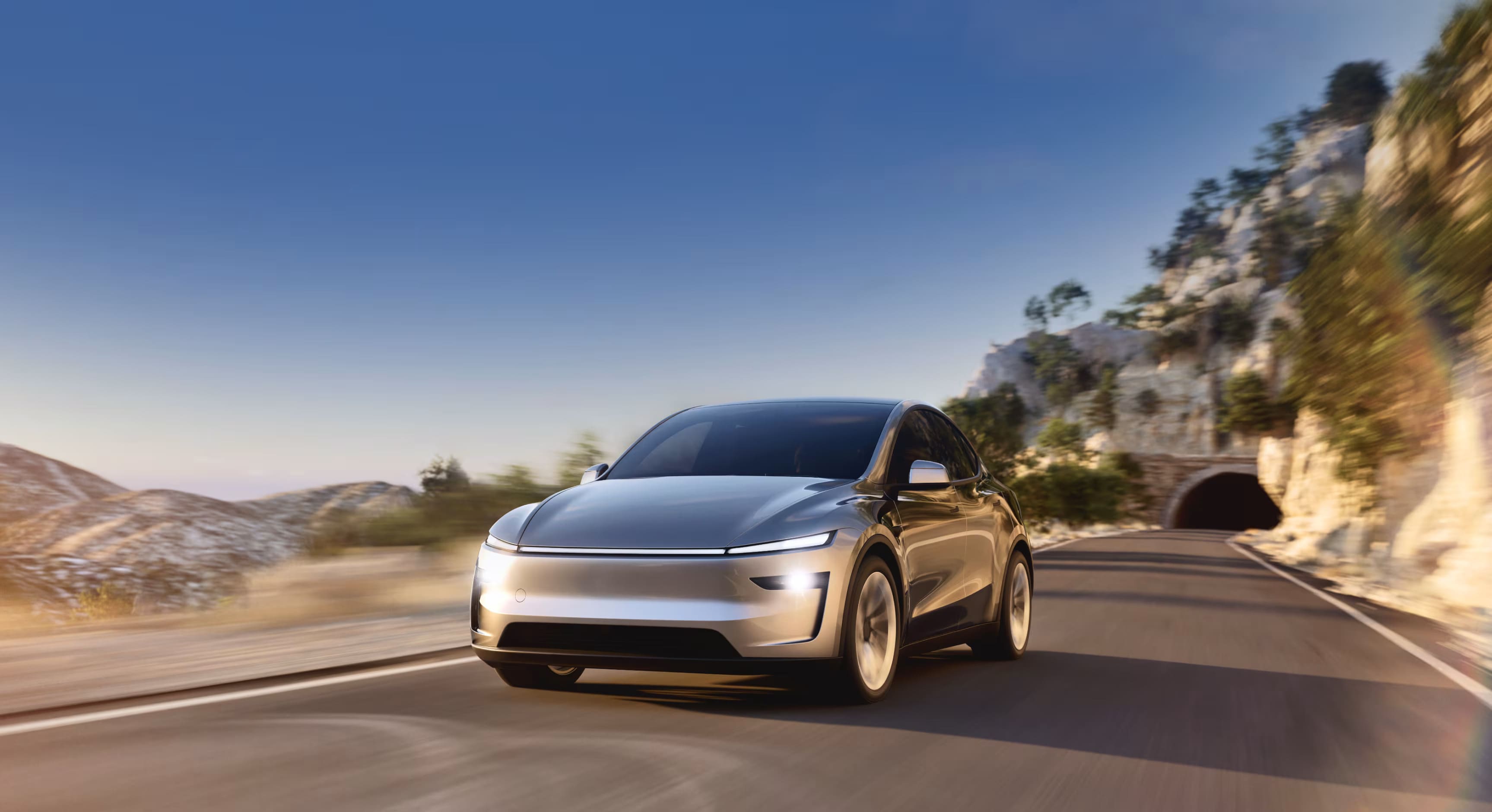
During the first half of June, Austin residents spotted the first driverless Tesla vehicles on public roads—Model Y vehicles with no driver behind the wheel. These sightings were widely shared on social media and confirmed by both Elon Musk and Ashok Ellswamy, who verified the authenticity of the footage on their accounts. On this occasion, Elluswamy hinted at Tesla's cautious approach to deployment with the motto "slowly at first, then suddenly."
Tesla is now officially registered as an autonomous vehicle tester in Austin, formally confirming its authorization to conduct tests on public roads. Initial rides will be available only to selected participants chosen by Tesla itself, with the service becoming available to the wider public later in June.
Technological Foundations of the Robotaxi System
Vehicles in the robotaxi fleet exclusively use Tesla's camera- and computer-vision-based technology, without lidar or radar. This approach, which Tesla has long advocated, represents an alternative path to achieving full autonomy compared with its competitors. Each vehicle is continuously monitored, and all driving data is recorded for further analysis and system improvement.
Safety measures include not only remote supervision but also the ability to take immediate remote control of the vehicle. Tesla has implemented extensive protocols for detecting and resolving unexpected situations, with every ride documented in detail to support continuous algorithm improvement.
The combination of leadership restructuring and the approaching launch of the robotaxi service represents a critical period for Tesla that could define its future position in the autonomous technology market. A successful deployment could catalyze broader adoption of autonomous transportation and confirm Tesla's technological lead in this field.


